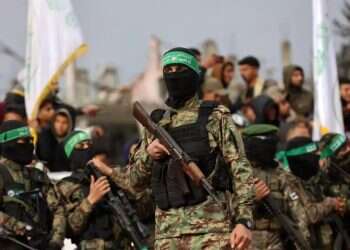
The day is not far off when Hamas either returns the last of the deceased hostages to Israel, or announces that it has done everything it can but is unable to locate them, despite all its efforts.
When that happnes, the agreement brokered by the US stipulates that the sides are supposed to move into Phase Two. Under that phase, Israel is expected to gradually withdraw from the Gaza Strip in several stages while maintaining a perimeter presence. Reconstruction of Gaza would begin and, in parallel and in line with Israel's demand, a process to demilitarize the Strip would start, with an international force deployed in its place.
But despite Washington's good intentions, and despite Donald Trump's extensive plans for postwar Gaza, at this stage not a single country has agreed to send troops to the Strip as part of the multinational force the US hopes to establish. That force is supposed, in the American view, to dismantle Hamas and create an alternative to its rule.
The major concern in Israel is that the Americans are so determined to advance their plan that, despite the obstacles, they will try to push forward with the parts they can implement, namely reconstruction of the Strip and pressure on the IDF to withdraw. For now, the position within Israel's defense establishment is withdrawal only in exchange for demilitarization. It remains unclear whether the Americans will ultimately accept that demand. This raises the question of what Israel will do and whether it will stand firm or once again bow to American pressure.
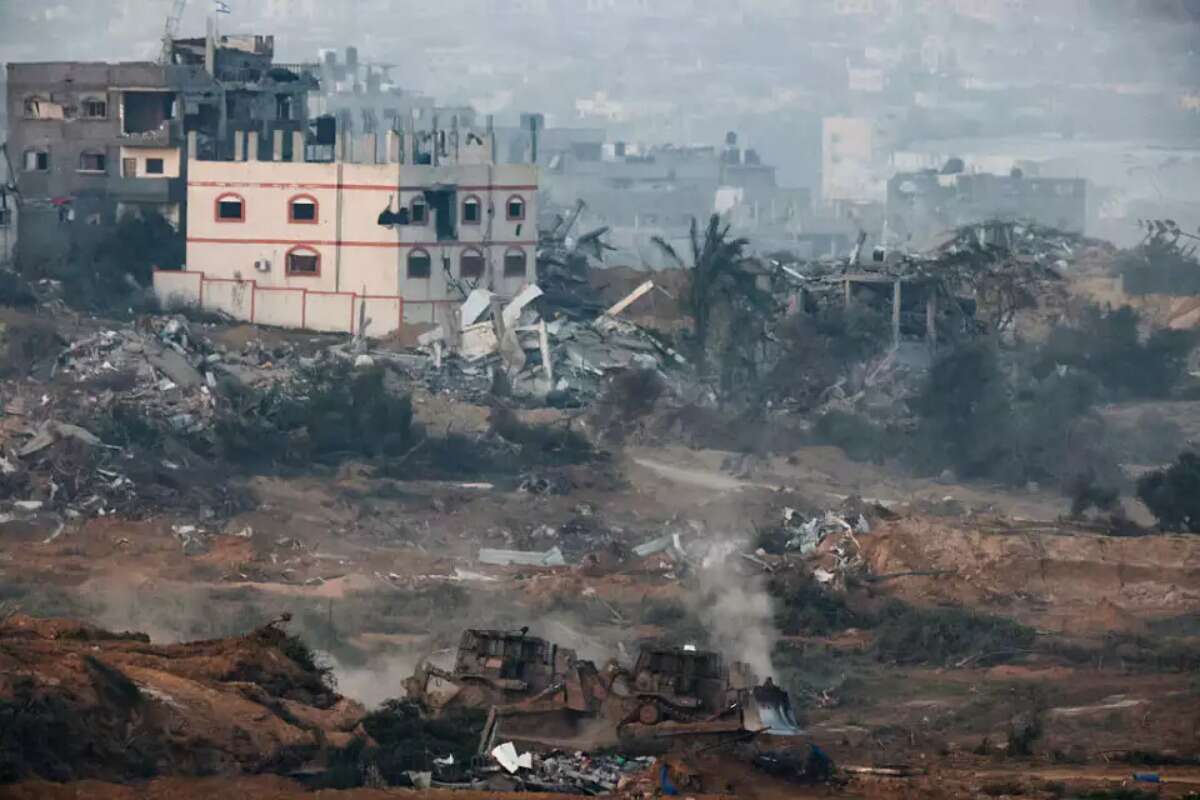
In the meantime, US officials are supposed to oversee the process through the American command center operating in Kiryat Gat, known as the CMCC. Yet anyone reading the announcement released by US Central Command marking one month since the center began operating in its current form would have noticed that nearly all the achievements listed focused on humanitarian activity, not on advancing any of the additional processes the center is supposed to promote.
According to the American plan, Gaza is now divided into two zones. The red zone is where the Hamas terrorist organization remains entrenched, described as old Gaza, west of the so-called yellow line. The green zone is the area of new Gaza under IDF control, located east of that line. Washington is trying to begin reconstruction efforts in the green zone, starting with Rafah.
Senior Israeli defense officials say that for now, Israel's interest is to allow the Americans to pursue the processes they want to advance in order to return the hostages. A senior security source said: "We are as free as we need to be right now. We currently control the territory, thwart attacks, eliminate threats and gradually force the terrorists to surrender. The Americans are leading a broad international process. You could argue they are naive, but we will help them anyway. This gives us legitimacy and time to rebuild the army and restore its readiness, which is essential for both conscript and reserve forces."
Another senior security official said the only party capable of dismantling Hamas is Israel. "No one is going to do it for us, just as no one is going to dismantle Hezbollah's weapons arsenal on our behalf. But we allow the Americans to try, and we assist them as much as possible. If, as is likely, they fail to achieve this, at some point we will have no choice but to do it ourselves."
For now, Israel's patience is paying off at least in the Rafah sector. Israeli security officials say that after an IDF Hermes drone struck a tunnel shaft in the Jenina neighborhood of Rafah two days ago, four bodies were located and taken for examination in Israel. Initial assessments suggest they were the battalion commander, the deputy commander and the company commander of the terrorists in the tunnels.
In recent weeks Israel has recovered around 40 bodies of terrorists from tunnel shafts, and several others have been taken for questioning. From the outset, Israeli officials assessed that several dozen terrorists were in the Rafah tunnel system, somewhere between 80 and 120. The current assessment is that only a few dozen remain.
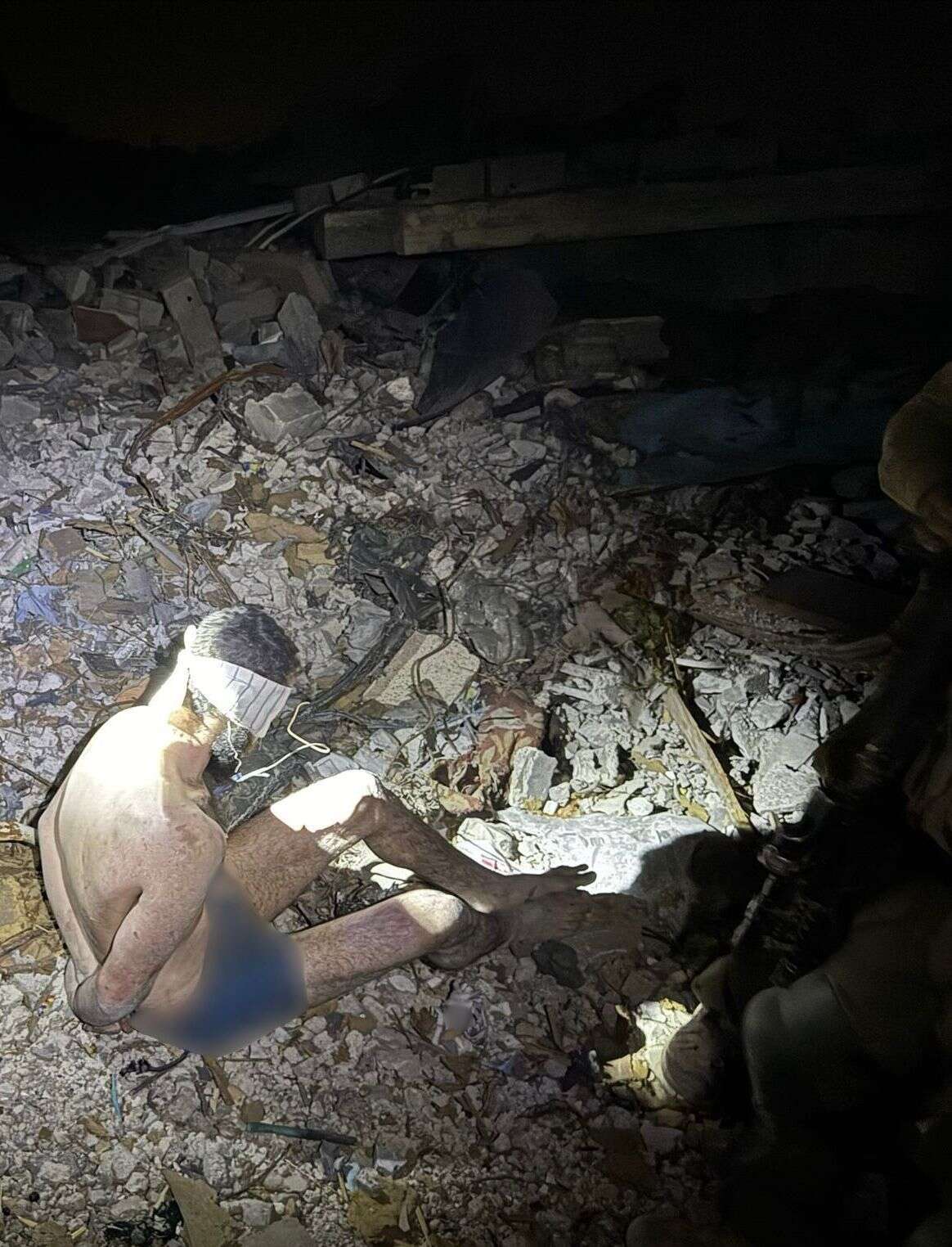
The captured terrorists were found severely malnourished, and described a deep sense of abandonment by Hamas leadership. Sources told Israel Hayom one reason they reached this state is that the logistical aid corridor that once passed near their tunnels was moved, leaving them unable to steal humanitarian supplies.
The assessment is that it will not be long until the remaining terrorists underground in Rafah meet their end, either from starvation or after attempting to surface in search of food, at which point they will be captured or killed. In the meantime, the IDF is operating patiently in the area with the goal of exhausting the terrorists without placing Israeli forces at unnecessary risk.