Over the past two years, the Jewish people have experienced upheaval unlike anything we have known in decades. The war in Israel, alongside surging antisemitism worldwide, has created a new reality in which many Jewish communities feel a profound sense of vulnerability. If in the past we spoke about identity and the need to strengthen ties to Israel, today we face an existential challenge: how do we preserve one people, maintain mutual responsibility, and ensure security for the Jewish people—in a world after the terrorist attacks of October 7, 2023?
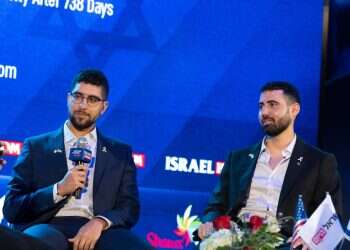
The upcoming Israel Hayom Conference takes place at a time when it is clearer than ever that the connection between Israel and Diaspora Jewry is not merely one of philanthropy, but rather a bond of shared destiny and purpose. During the war, the Israeli public witnessed how Jewish communities around the world stood by our side on every front: advocacy, political, economic, public, and volunteer efforts. Conversely, these communities themselves now need institutional support more than ever to contend with a new kind of antisemitism—more brazen, more violent, and in many cases, more dangerous. Even in the United States, perceived as the safest haven for Diaspora Jews, severe incidents have occurred that would have seemed impossible just a few years ago. Many Jews feel threatened in their ability to simply be who they are for the first time. And this threat comes not only from extremist fringes, but sometimes from the mainstream itself. This is a situation that demands new thinking about Israel-Diaspora relations and about our responsibility.
As someone leading KKL-JNF—the veteran and central Zionist institution in developing the land and fostering ties with Diaspora Jewry—I see up close how the systems we build, both in Israel and around the world, now require adaptation. KKL-JNF was born from the shared need of one people living across multiple continents, and it has always worked to strengthen and tighten that bond. Today, that need exists with even greater intensity: the need to strengthen Jewish identity, connect generations, deepen belonging and connection to the land, and ensure that even in an era of political instability, we have a common anchor and shared vision.
David Ben-Gurion wrote in 1957: "The fulfillment of Israel's messianic missions—the ingathering of exiles, being a light unto the nations, and protecting Judaism from assimilation in the Diaspora—are impossible without a strong and growing reciprocal bond between the State of the Jews and the Diaspora." These words speak for themselves.
The conference presents us with an important opportunity—to understand these changes in depth and to build a real action plan for the day after. How do we continue to live as Jews in the post-war , and how do we maintain connection with future generations? KKL-JNF's role is particularly significant. Alongside our work in Israel for its development and building, we also focus on strengthening ties with world Jewry. Through missions and projects, and by building foundational infrastructure: leadership programs, Zionist education initiatives, partnerships with community institutions, and presenting the State of Israel as it truly is. The future of the Jewish people depends on our ability to maintain unity even when the world around us is destabilized. This is a test of responsibility, of maturity, and of historical understanding.
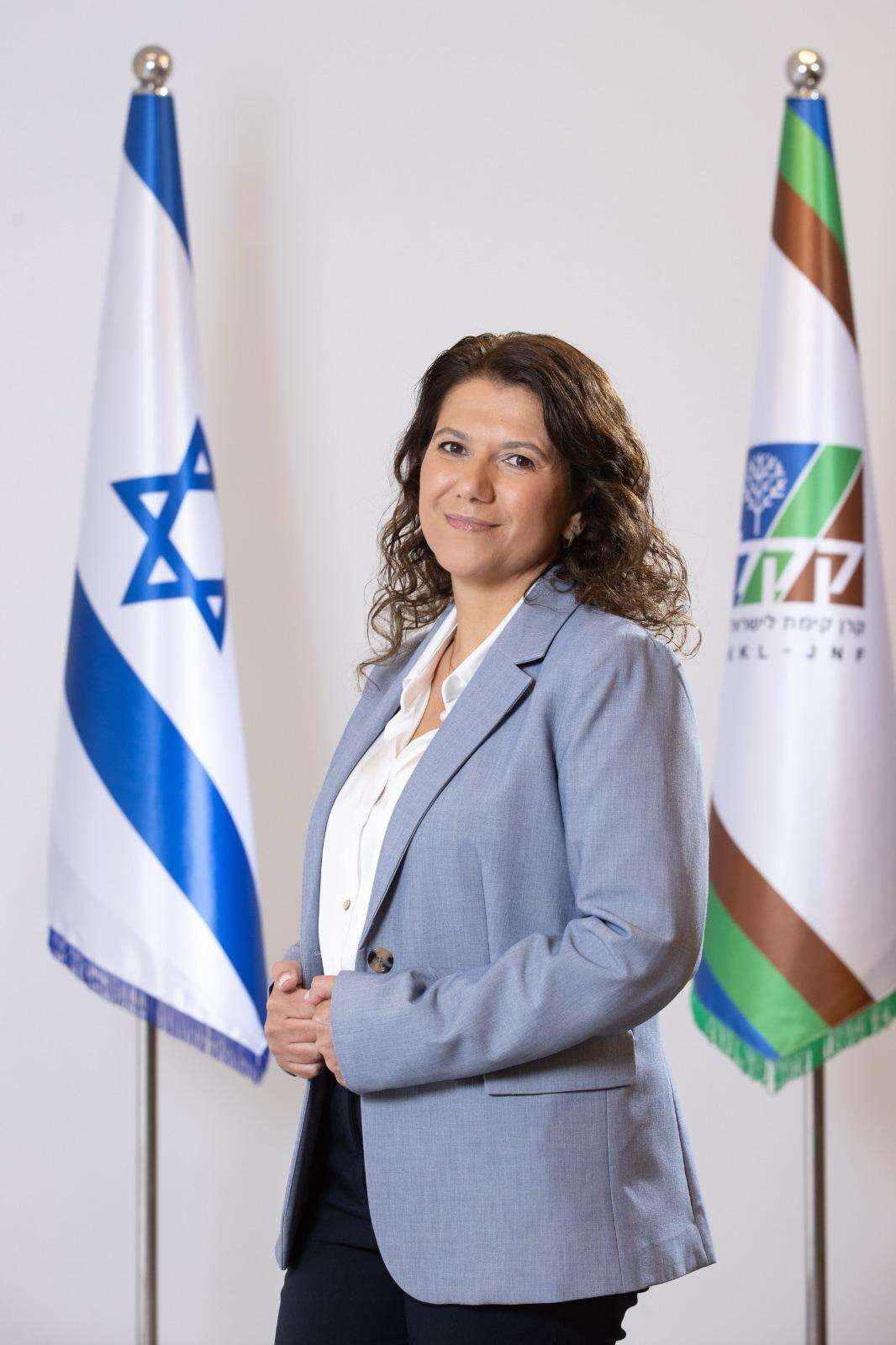
Ifat Ovadia-Luski is the Chairwoman of KKL-JNF.