


According to the Associated Press, the late Sunday release of partial and preliminary vote counts from approximately 34% of the polling sites in the Honduras presidential race placed the conservative candidates, Nasry Asfura and Salvador Nasralla, in the lead, with the current ruling party's nominee lagging behind. This revelation occurred just a few days following US President Donald Trump's entry into the close contest, wherein he backed a candidate and declared his intent to pardon a former president.
The National Electoral Council announced that Nasry "Tito" Asfura of the National Party had garnered 40.63% of the initial votes, with Salvador Nasralla, representing the conservative Liberal Party, holding about 38.78%. Rixi Moncada, of the democratic socialist LIBRE (Liberty and Re-foundation) party, was substantially behind with 19.59%, the Associated Press, noted.
Asfura, aged 67, is the former mayor of Tegucigalpa, the Honduran capital, and centered his campaign on pragmatism, frequently highlighting his successful public works projects.
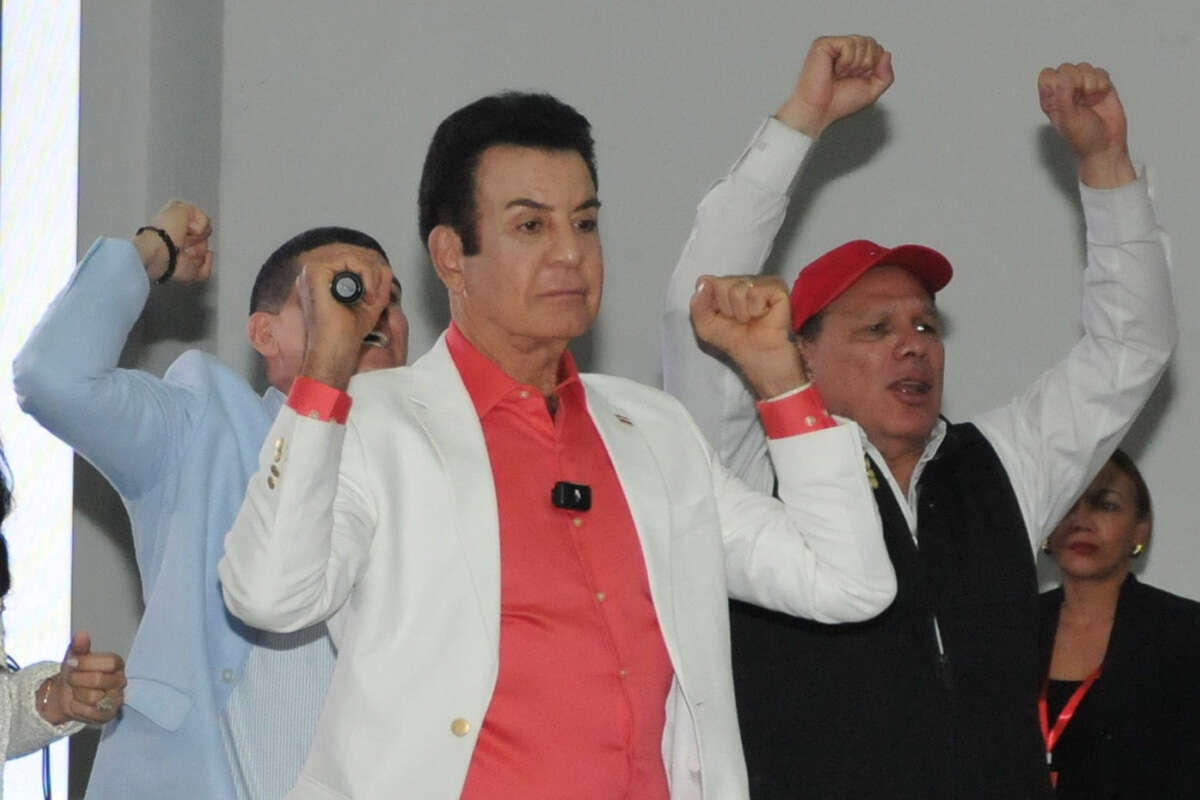
Honduran presidential candidate for the Liberal Party, Salvador Nasralla (C) reacts during a press conference on election day in Tegucigalpa, Honduras, 30 November 2025 (EPA)Only days before citizens voted, President Trump provided his endorsement, stating the candidate would partner with the United States to fight "narco-communists" and was the sole Honduran contender his government would engage with, as reported by the Associated Press.
Nasralla, a 72-year-old sportscaster, has aligned himself with different political groups over time and even participated on the current President Xiomara Castro's ticket four years ago. The Associated Press, stated that he nevertheless portrayed himself as an outsider, focusing his central campaign argument on eliminating corruption.
The raw vote numbers show Asfura with 530,073 votes, Nasralla with 506,316, and Moncada with 255,972.
Trump's efforts have been concentrated on supporting the National Party.
Hondurans were startled on Friday by Trump's declaration that he would grant a pardon to ex-National Party President Juan Orlando Hernández, who was only one year into a 45-year US prison sentence for aiding drug traffickers in transporting cocaine to the United States. Hernández has asserted, "I am innocent."
Many Hondurans claimed the pardon news would not impact how they cast their votes, according to the Associated Press.
In the days preceding the election, Trump fiercely attacked Nasralla and Moncada, cautioning that they could propel Honduras to a similar situation as Venezuela.
Some voters echoed Trump's warnings that Moncada could replicate the Venezuelan situation in Honduras, given that Castro has maintained a cordial relationship with Venezuela President Nicolás Maduro while simultaneously collaborating with the Trump administration on security and immigration matters, the Associated Press reported.
It remains uncertain whether the presidential contenders will accept the final, official results.
The final weeks of the campaign were marked by the three leading candidates exchanging accusations of election rigging, prompting both Honduran and global observers to suggest that the process's legitimacy might be compromised, the Associated Press concluded.
Moncada, current President Castro's designated successor, declared before the election that she would not accept the initial tallies due to her belief in a conspiracy to manipulate the results.
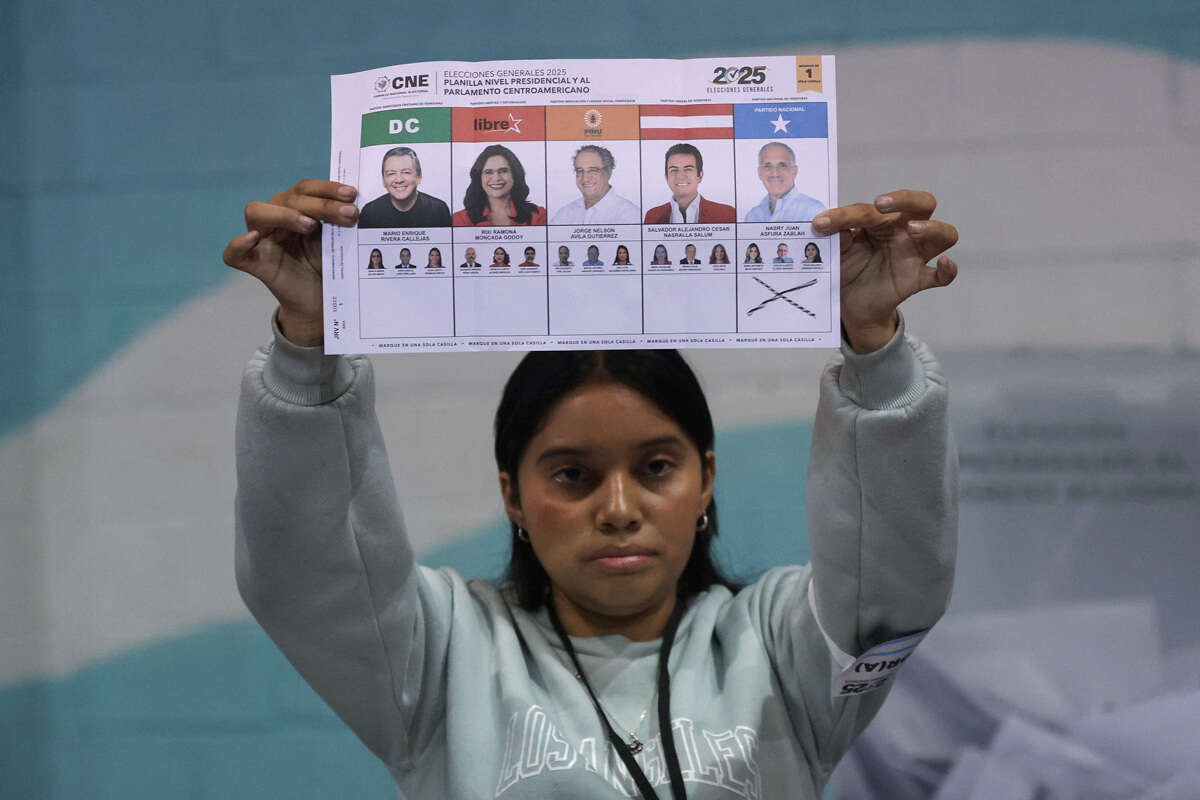
Shortly prior to the preliminary announcement, Moncada instructed her supporters to remain vigilant and ready to fight for the complete vote count, saying, "we are going to take the streets to defend the victory that we know we got." The Associated Press mentioned she would hold off on commenting on the electoral council's preliminary numbers until Monday.
Simultaneously, the opposition expressed concern that the ruling LIBRE party would exploit governmental functions to provide an undue advantage to Moncada in the race.
Security and the creation of jobs were paramount concerns for many citizens voting.
Despite improvements in both the homicide and unemployment figures over Castro's four years, and the International Monetary Fund praising her administration for fiscal responsibility, Honduras still possesses Central America's highest homicide rate, and citizens frequently complain about a lack of employment opportunities, the Associated Press stated.
Castro's defenders emphasize the dire circumstances she inherited from former President Hernández, who her administration extradited to the United States on drug trafficking charges after his presidential term ended.
Hondurans also chose a new Congress on Sunday, along with voting for hundreds of local positions.


