The bandaged ear. The tortured genius. The single act of self-mutilation that has defined Vincent van Gogh in the popular imagination for more than a century. But what if the story we think we know is incomplete?
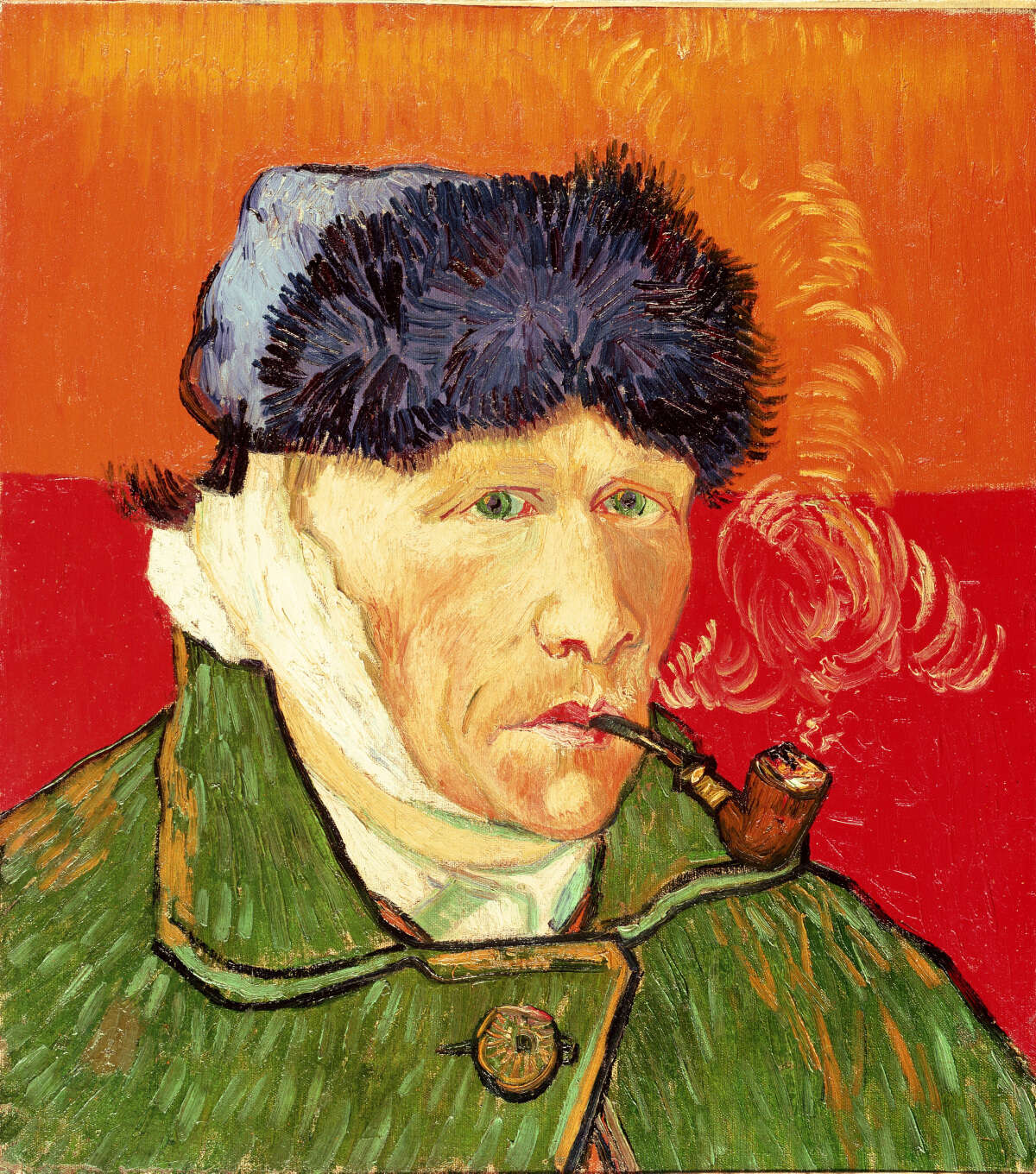
Vincent van Gogh remains one of the most fascinating figures in art history – a towering painter, a wounded heart, and a life story that sometimes sounds like a legend painted in colors too intense. He is known for the unique style he created and for the sharp gaze that looks back from his paintings, but above all hovers one image – the young artist, his face pale and bandaged, staring from a self-portrait that has become a symbol of "tortured genius."
But behind this image hides a truth far more delicate and complex. The moment Vincent took the razor and cut his ear was not an act of sudden madness, but a human breaking point born from loneliness, an intense yearning for connection, and a deep fear of abandonment.
Was the beginning a dream – or a trap?
In late 1888, van Gogh settled in the town of Arles in southern France. It was a sun-drenched place, full of open spaces and wild nature, and the artist dreamed of turning it into a home for creators, a kind of "artists' colony" that would allow him to share inspiration and creation. He invited his friend, the painter Paul Gauguin, to join him. The two were different in almost every aspect – Vincent was sensitive, needing human warmth and support; Gauguin was independent, distant, rough around the edges.
For weeks, they worked together, ate together, argued about technique, and aspired to create something greater than the personal. But the gaps between their personalities deepened. Vincent, who believed in stable friendship, in openness and sharing, struggled to bear the emotional distance Gauguin created. On the other hand, Gauguin found himself trapped in Vincent's intensity. This tension grew and intensified – until it exploded.
One night, one argument, and fear that blurs logic
After a particularly harsh fight, Gauguin stormed out of the house. Van Gogh was left alone, inside a room too colorful and too quiet. Long hours passed, and he dissolved into deep fear – fear of losing his only friend, the dream he had built, the sense of home he thought he had found. On that extreme night of loneliness, when emotions raged uncontrollably, he took the razor and cut part of his left ear.
The town of Arles was shocked. Rumors raced, local articles raged, and suddenly van Gogh became a figure who frightened his surroundings, long before he became a revered genius. But what seemed to others like madness was, perhaps more than anything, a moment of uncontrollable human pain.
The loneliness that never let go
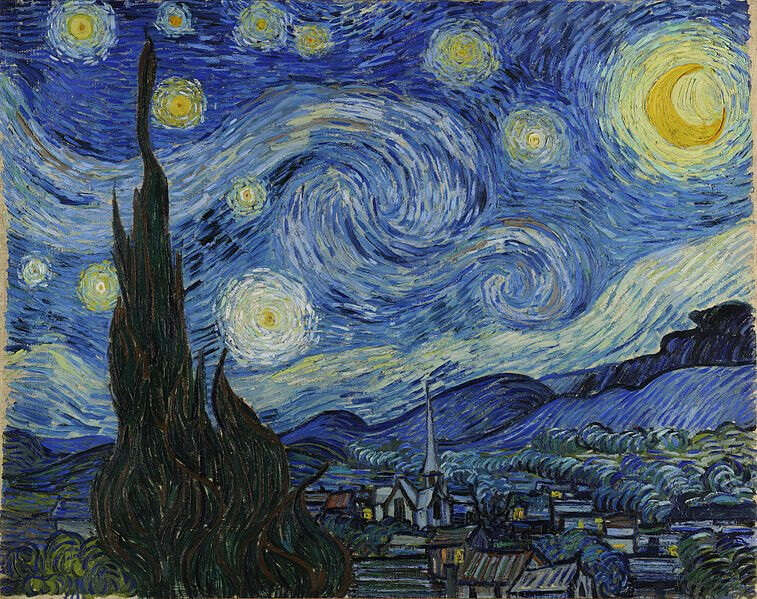
Behind all the explosive paintings – the swirling wheat, the trembling skies, the rough colors – hid a soul struggling to find peace. Van Gogh wrote countless letters to his brother Theo in which he returned again and again to the same indirect plea – to understand him, to accompany him, to be there.
The world around him, however, struggled to contain his condition. In his time, there was no medical understanding of mental illness. His outbursts aroused fear, and his neighbors asked him to keep his distance. Thus, bewildered, exhausted, and disconnected, he was transferred to a hospital in a nearby institution. And there, precisely there, he returned to painting.
From the darkness – a new light
In the isolation and quiet the institution imposed on him, something within him became clear. He painted tirelessly – starry nights, cypress trees stretching to the heavens like a prayer, fields that know no rest. From the darkness that surrounded him rose a bubbling creative energy, one that made the last years of his life the most productive.
Psychologists and medical researchers have raised countless speculations over the years – epilepsy, exposure to toxic substances in paints, deep depression, and bipolar disorder. But perhaps the simple answer is the one we know from every human story – he was wounded. He was lonely. And he searched for a way to soothe the pain he didn't know how to speak.
Beyond the myth – another look at the self-portrait
His famous picture – with the bandage – is often perceived as a symbol of an artist who lost control. But perhaps, when looking deeper, one sees something else – a man who lost his grip for a moment, but found himself again through the paintbrush. A man who paid a heavy price for sensitivity so rare in a noisy world.
His life story teaches that, for van Gogh, beauty and pain are not separate. They draw from each other, feed off each other, and together tell a story full of compassion. And when we look today at his works, perhaps we don't see "madness," but the most human thing there is – the man who tried with all his strength to illuminate his world from within.