In a digital battlefield where antisemitism spreads at the speed of a scroll, three Jewish content creators have transformed their platforms into frontline advocacy tools – accepting death threats, lost sponsorships, and FBI investigations as the price of defending Israel to Generation Z.
At the "Let Me Explain" panel during the Israel Hayom conference in New York, three influencers – comedian and journalist Eitan Levine, sports media personality Emily Austin, and Living Lchaim founder Yaakov Langer – shared how they inadvertently became the spearhead of Israeli and Jewish advocacy on social media. Between threats, contract cancellations, floods of hatred, and antisemitic responses, they insisted on remaining visible, Jewish, and proud – fighting lies not only with facts but also with humor, sports, and deep human conversations.
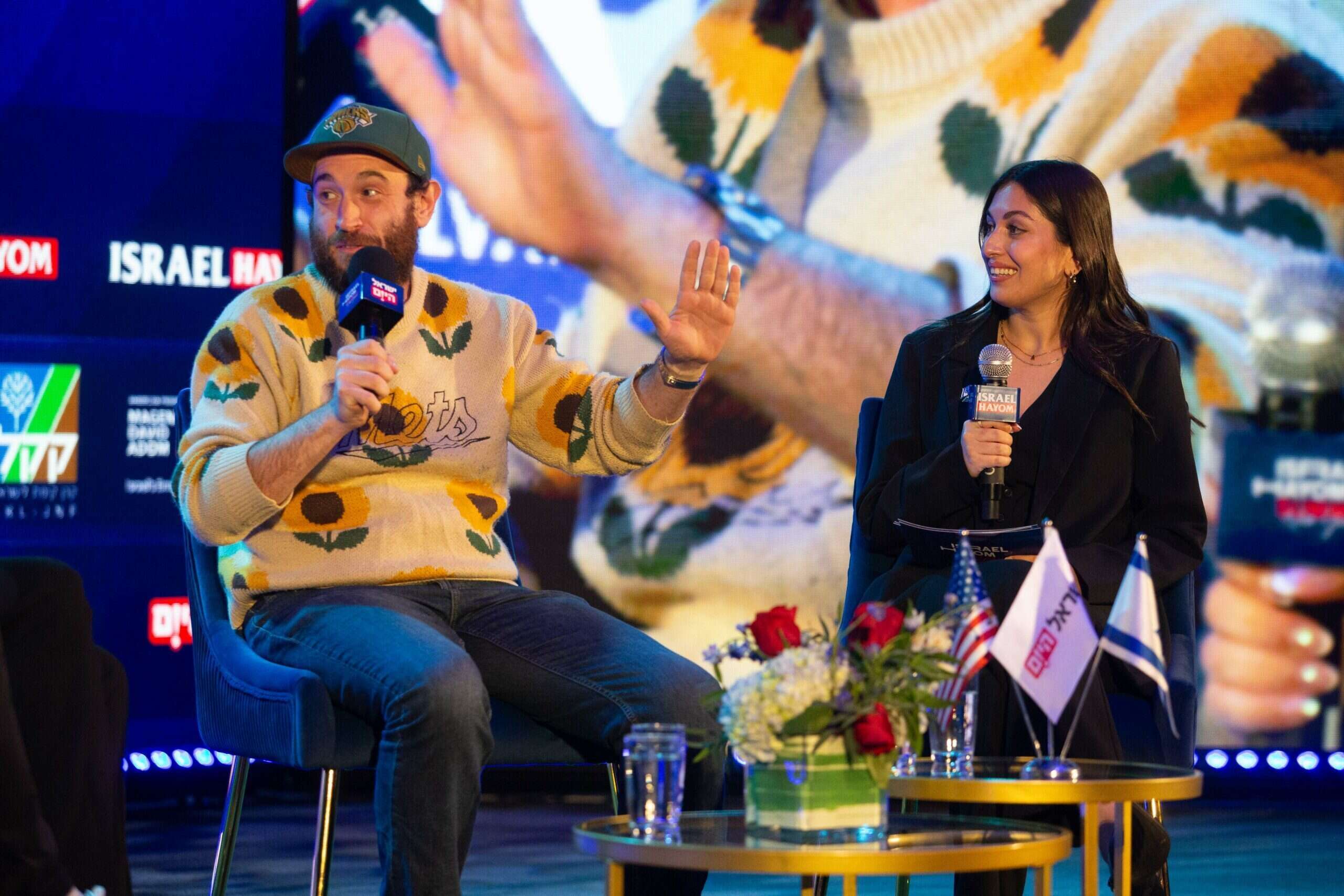
Levine explained that once you become an openly Jewish figure online, there is no escape. "They called me a 'kike' even before October 7. My sister lives in Israel, I lived there, and I visit often. The day everything exploded, I had no choice but to stand behind Judaism and the connection to Israel. If this is part of me – then I will also be stubborn about it."
Langer, who came from the ultra-Orthodox world, admitted that October 7 was a moment of sobering realization for him. "I always knew there was antisemitism, but something in me said – well, they do not really hate us like that. And then you saw the depth of the hatred, without any logic. From that was born the place to be a proud, open Jew, and to say – if there is a problem, it is their problem."
Austin came from the most American dream there is – sports. "I was negotiating with ESPN, working with NBA teams, I was riding the wave," she said. "And then October 7 happened. Almost at the same moment, Puma parted ways with me, Sports Illustrated dropped me, the negotiations with ESPN stopped, even Miss Universe. I found myself at 22, without work, after being at my peak."
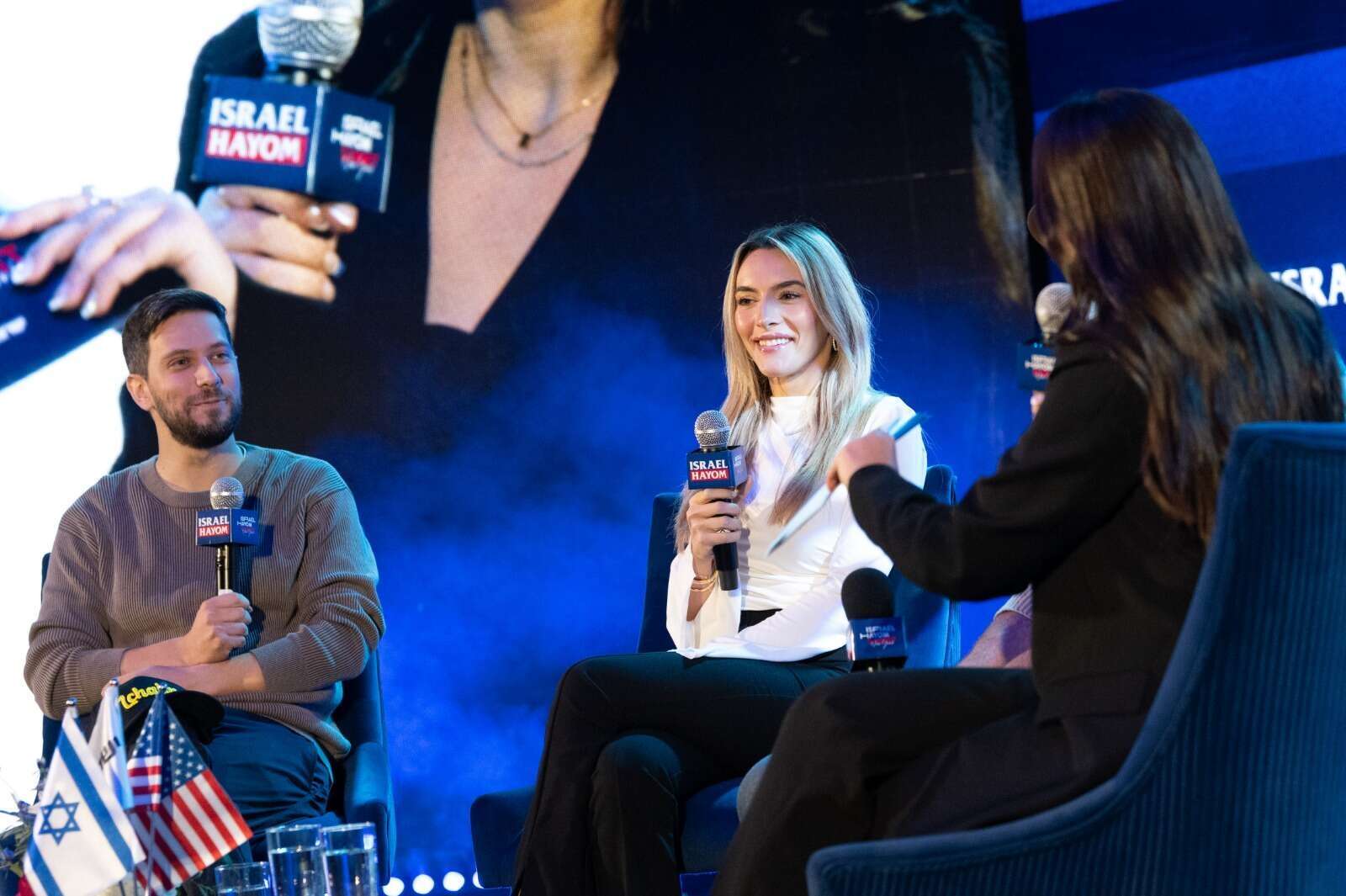
But instead of disappearing, she pressed on the gas. "I said to myself – if I have to lose everything, even my life, to say what is right – I will do it. Sports is a language that unites people; through it, I reach players, coaches, and an audience that would not encounter Zionism in any other way."
She did not hide the personal cost. Exposure of personal details, threats, a flood of hatred – to the point of constant contact with the FBI. "I was sure that those threatening me were sitting in Iran. The answer was, 'They are from Staten Island,'" she said with a half smile.
Levine used stand-up comedy as a weapon. "If you are funnier than the other side – you won the argument, even if you are not 100% right. Comedy is an insane way to convey information. The moment you make someone laugh, they are suddenly open to hearing about Israel too."
He insisted on reminding people that Israel is not just war. "When I think about Israel, I think about the food, about the hot people in Tel Aviv. We must invest not only in videos of horror, but in music, art, and culture – to turn Tel Aviv into a global cultural hub. For every dollar invested in explaining October 7 – the next dollar must go to culture."
Langer, on the other hand, chose the most un-TikTok format – in-depth conversations on YouTube. "We have over 1.6 million subscribers, because people are thirsty to understand. It is easy to hate 'Jews' as a group, but it is much harder to hate a person after you hear an hour of their life story – of a hostage survivor, a soldier, a rabbi, or a mother."
According to him, there are three groups: proud Jews, declared haters, and "a lot in the middle – who do not know. Muslims who grew up on hatred of Jews wrote to me and said, 'Only now do I understand that you are normal human beings.' This happens when you let them get to know us truly."
The three speakers agreed that the real battle is over "the influenceable center" – people who are not sure, or who were dragged along by trends. Austin emphasized, "People know what happened on October 7. They are not ignorant – some of them just are not sad about it. So just flooding more and more facts is not enough. You must also talk about American interests – about how Israel contributes to security, technology, and the economy. Today, the narrative is that Israel is a 'leech' on the US. This is simply not true, and no one is explaining it seriously."
Levine warned against automatic labeling. "The question is not whether Tlaib or others are jihadists – but whether calling them that works. The answer is no. We lose when the whole world is defined as 'antisemitic.' We need a restart. Get out of the comfort zone, sit with those who seem like enemies to us – and discover that at least 90% of them do not hate us like we imagine."
Austin gave a personal example. "There is one person on Twitter who turned 'Jewess' into a derogatory nickname for me. I liked every response of his. In the end, he wrote to me privately, 'Aside from Israel, I agree with you on everything and respect you.' And suddenly – all the tweets were deleted. Sometimes it is not that deep; it is habit, it is herd mentality. You need courage to talk to them."
At the end of the panel, Langer used his son and candy as a metaphor. "Candy is the easiest to love. It is sweet, it is available, it is not nutritious. To hate Israel and Jews – it is like an instant candy, it is 'cool,' it goes with the flow. But it does not hold over time. What we are trying to do is turn the healthy thing – Jewish identity, the connection to Israel, the human story – into something cooler, deeper, and more accurate. Not to focus on the losers shouting in the street, but on building a strong, proud, and attractive community."
As Levine summarized with a smile, "The best thing you can do for advocacy – is simply to follow me on Instagram."