

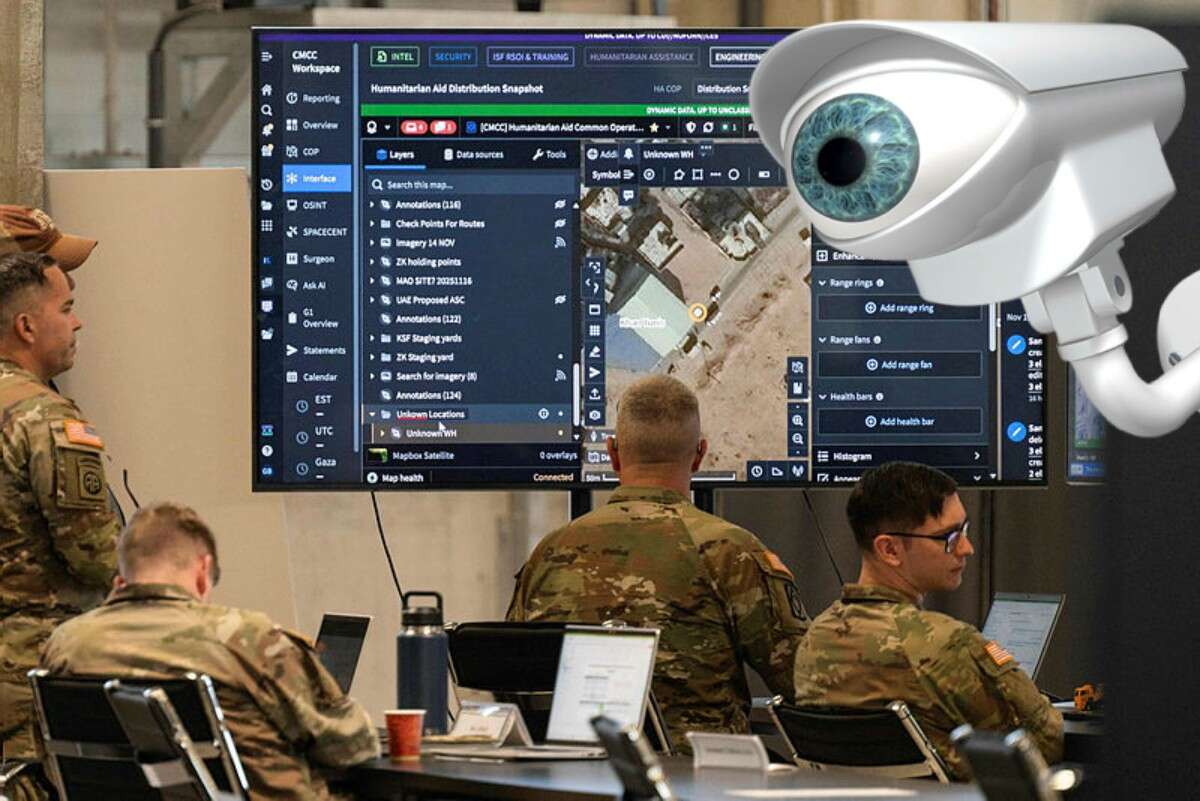
Sources familiar with disputes over covert monitoring told The Guardian that Israeli agents are extensively surveilling US troops and allies at a new southern facility, although Israel has refuted that.
The volume of intelligence gathering at the Civil-Military Coordination Center (CMCC) reportedly led Lt. Gen. Patrick Frank, the American commander, to confront an Israeli official, insisting that "recording has to stop here," the Guardian reported. International personnel have expressed anxiety regarding the alleged recording, with some advised to withhold sensitive data to prevent exploitation.
The US military offered no comment, while the IDF declined to directly address Frank's request, emphasizing that discussions are unclassified. "The IDF documents and summarizes meetings in which it is present through protocols, as any professional organization of this nature does in a transparent and agreed upon manner," the Israeli military said in a statement. "The claim that the IDF is gathering intelligence on its partners in meetings which the IDF is an active participant is absurd."
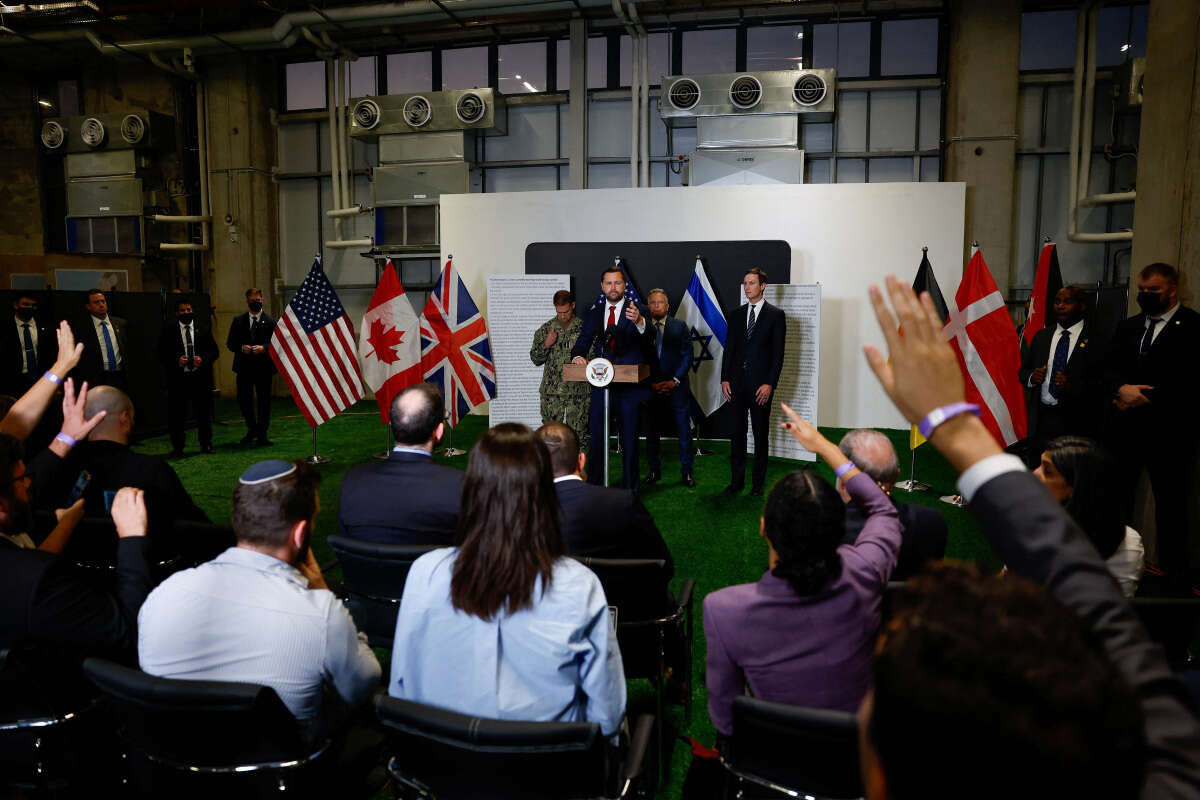
Established in October, the CMCC focuses on truce monitoring, aid coordination, and Donald Trump's 20-point plan for the enclave, with posters of the proposal displayed prominently. Troops deployed there were assigned to facilitate the delivery of provisions to the strip.
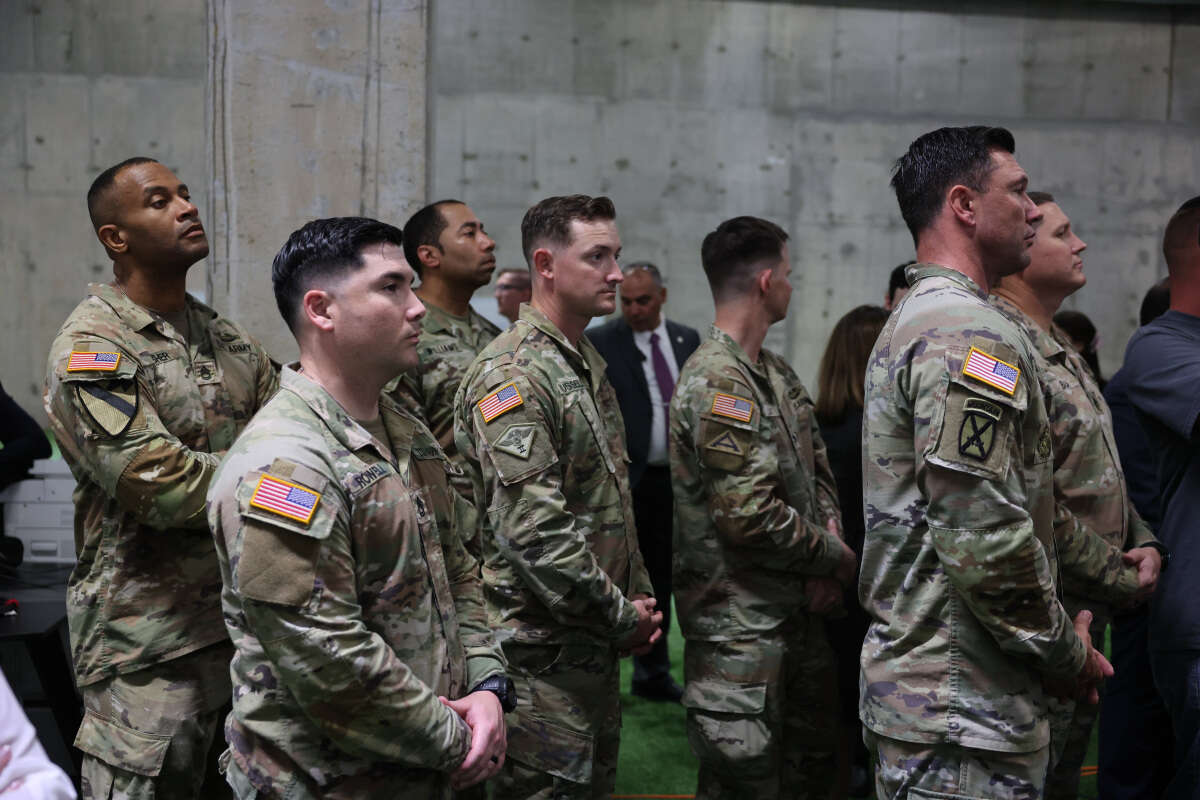
Early media reports suggested Jerusalem was transferring authority over incoming goods to US command. However, a US official stated that despite American leverage, Israel maintains control over borders and entry. "We didn't take over [aid]," he said, speaking on condition of anonymity. "It is an integration. It is hand in glove. They ([The Israelis] remain the hand, and the CMCC have become the glove over that hand," the official said. The American force includes logistics specialists trained for disaster zones.
Diplomats in Israel and the Palestinian territories have received invitations to discuss aid, according to the outlet. Although the Trump initiative acknowledges Palestinian statehood goals, Palestinian representatives are reportedly barred from the hub.
Americans and Israelis occupy separate floors, with space for allies. The interior reportedly resembles a "dystopian startup," featuring artificial grass and makeshift meeting zones. Corporate terminology has reportedly permeated operations, with residents termed "end users".
"Wellness Wednesdays" reportedly target medical and educational rehabilitation. "Thirsty Thursdays" address public utilities in the war-torn zone. The Guardian noted that numerous officials remain hesitant about their presence at the facility.


