

"I'm leaving for Europe next week," G., a resident of western Syria, revealed to Israel Hayom. The announcement devastated his father, though even he conceded there was little alternative. These remain perilous times, G. understands, with conditions capable of collapsing at any moment. Ordinary life continues – people work, maintain routines, and the security climate has improved somewhat. Yet danger pervades the atmosphere.
G. has spent recent days arranging his departure. Family members already established in his destination country have secured his entry. From his father's rural home, he transmits images of breathtaking terrain: verdant valleys, encircling peaks, rushing streams, dense woodlands, and modest Alawite sanctuaries crowned with pale stone domes. "These memorialize the pre-Ottoman Levant, before the 16th century," he explained. That ancient world has vanished irrevocably. Turkish influence, however, has returned. During an earlier conversation, he detailed how Turkish investors are acquiring Alawite properties, exploiting the community's vulnerable position.
Weeks ago, the Alawite population rallied behind Sheikh Razzal Razzal, a religious authority previously aligned with Assad's apparatus. Today, Syrian contacts inform Israel Hayom that he advocates normalizing ties with Israel. When times grow harsh, it seems no one enjoys the luxury of selective partnerships.
Demonstrations against Ahmed al-Sharaa centered on demands for Syrian federalization – greater regional autonomy. Unlike previous crackdowns, regime forces initially refrained from violent suppression of protesters. The violence came later, after darkness fell, delivered by neighborhood enforcers.
Reaping the PR harvest
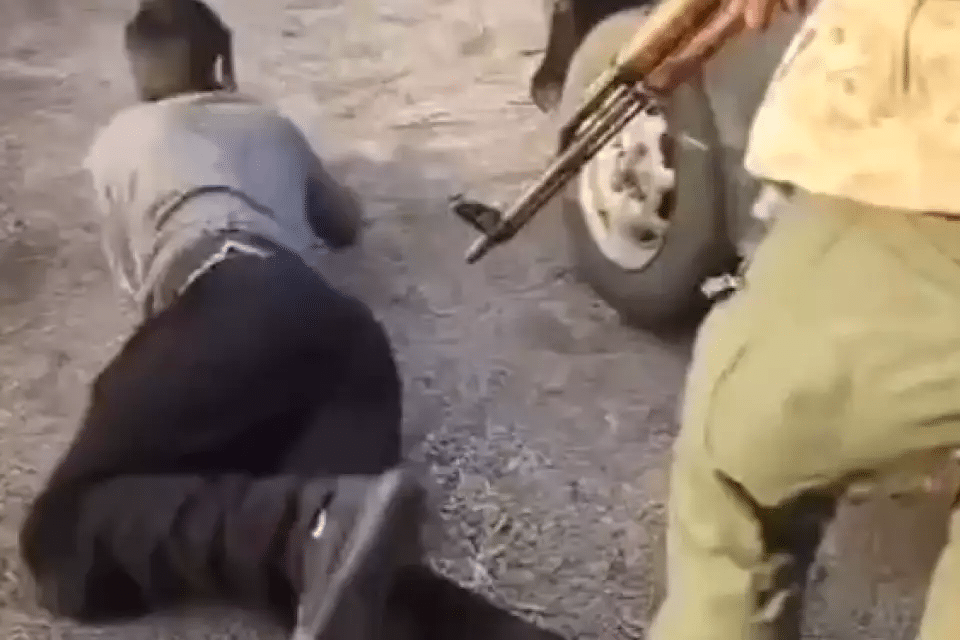
"Regime operatives instructed Sunni Muslims to assault Alawite districts in Latakia," G. detailed. "They hurled stones, attempted arson against residences and automobiles. Palestinian militants living in Syria participated in these raids. The Palestinian quarter teems with criminals and gangs. Assad's government routinely deployed them against opponents. The current administration employs identical tactics. They shattered storefronts, ransacked shops, torched vehicles."
Fabricated social media profiles emerged during the unrest, alleging Iranian backing for Sheikh Razzal Razzal. Competing narratives link him instead to Israel and the United Arab Emirates. None of these assertions has been verified – pure speculation at this stage – though Reuters documented how former Assad cronies are channeling millions from Russian sanctuary to destabilize Syria and compete for Alawite leadership. Billionaire Rami Makhlouf leads this faction, a onetime Assad intimate who broke with the regime in recent years. According to Reuters, he envisions himself as a redemptive figure for the community.
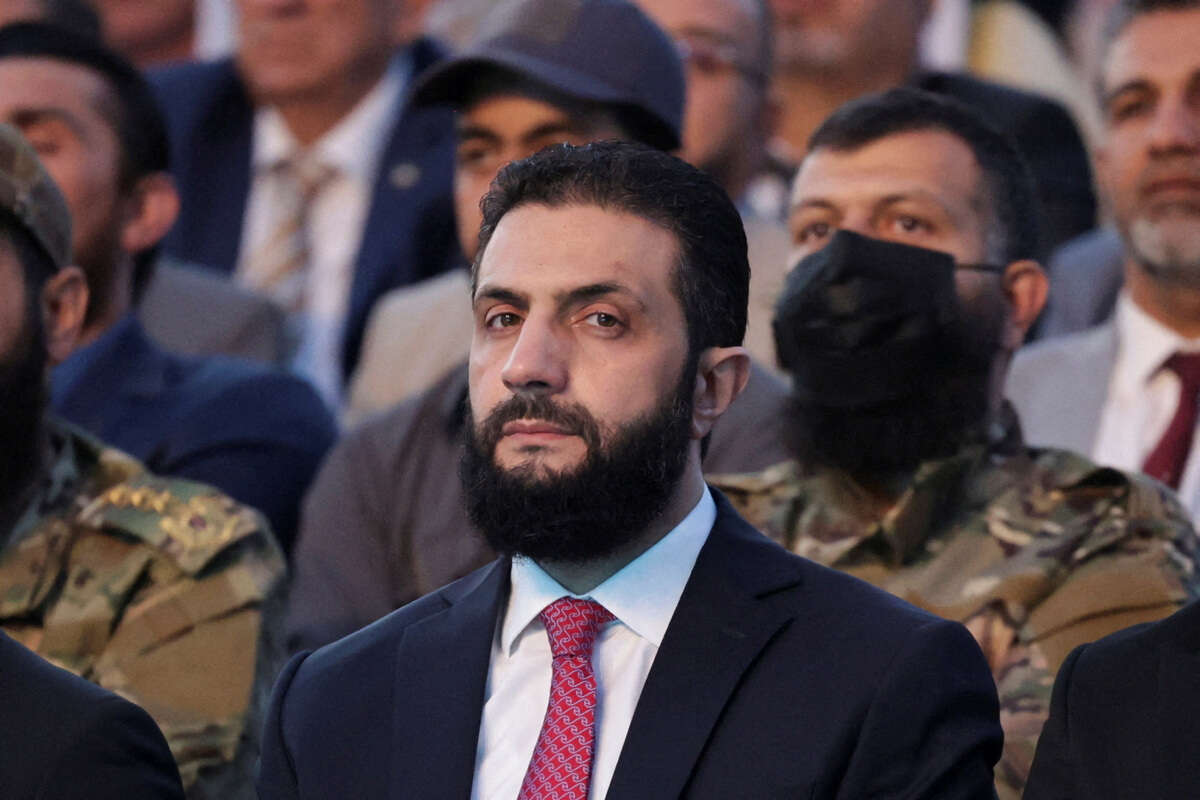
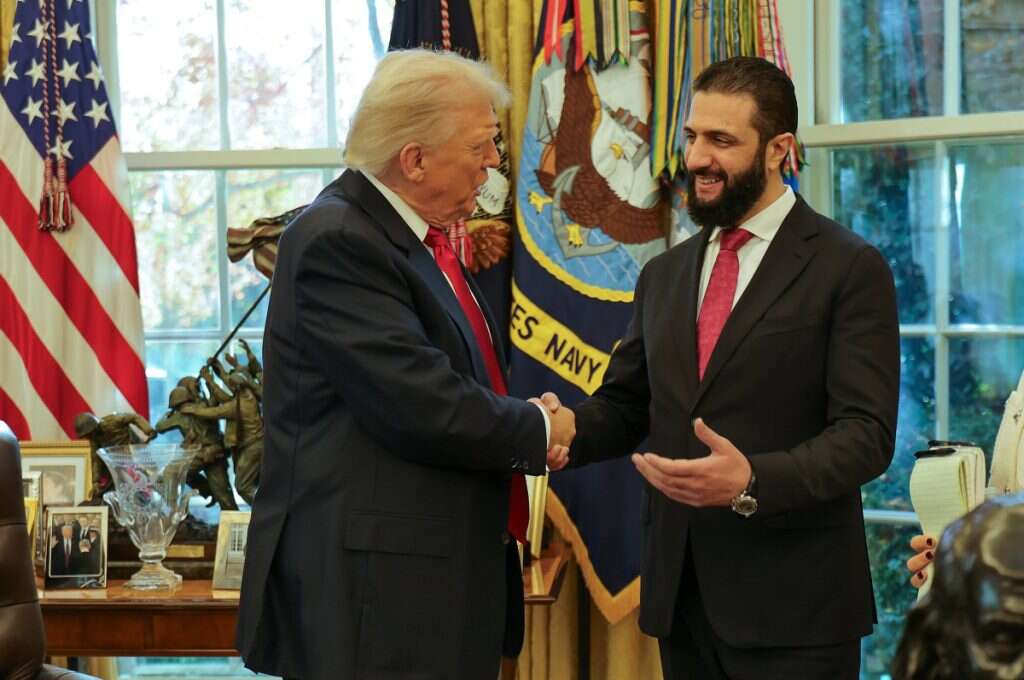
Al-Sharaa (previously Abu Mohammad al-Julani), meanwhile, capitalizes on Qatar's public relations offensive. His White House visit – unprecedented for any Syrian head of state – delivered the primary objective: eliminating the majority of sanctions choking his country. Trump went further, presenting him a personal commendation declaring he will prove "a great leader."
Simultaneously, he commands near-universal Sunni endorsement. Saudi Arabia, Turkey, Qatar, the United Arab Emirates, and additional powers have staked everything on his success. Minority massacres? Compromised al-Qaida connections? Such inconveniences disappear beneath the diplomatic carpet, dismissed as trivial aberrations.
Does al-Sharaa benefit Jews?
Internal regime tensions have nonetheless surfaced regarding al-Sharaa's trajectory. Hardline Islamist factions oppose any Israeli accommodation, including territorial concessions in southern Syria occupied since December. From their theological perspective, Jews and other religious communities constitute apostates.
Furthermore, his security architecture remains fragile. A former Syrian military officer told the Syrian Center for Human Rights: "Syria's defensive capabilities are profoundly inadequate. No functioning regular forces exist, nor advanced armaments. The previous government neglected this dimension entirely – Syria lacks even a single operational helicopter. HTS (Hay'at Tahrir al-Sham) perpetuated this decay, dismantling what remained of the military. The justification claimed reconstruction was necessary to attract investment and shelter Syrians exhausted by warfare and Israeli bombardment."
This backdrop fuels widespread skepticism about long-term agreements with al-Sharaa's administration. "Jihadist doctrine includes 'tamkin,'" G. told Israel Hayom. "It permits concessions during vulnerability – but as strength accumulates, aggression follows. Consequently, when negotiating with Islamists without comprehending their strategic framework, refrain entirely."
"Al-Sharaa craves power retention," he elaborated. "Regarding his personal interests, he's profoundly cynical. He covets authority, wealth, and dominion over Muslims. He'll sacrifice any principle to maintain control. Yet this transcends individual character – it's systemic. It's embedded in educational curricula, ingrained in transformed thinking patterns. They've grown increasingly radical, increasingly rigid.
"The fundamental question persists: Can future arrangements with a Jihadist government provide security? What about extended timelines? I harbor serious doubts. I lived in Damascus before relocating to the coastal region. Their ideology cannot accommodate Jewish sovereignty in Jerusalem. They demand its liberation from Jews. I comprehend Israel might pursue security arrangements driven by strategic imperatives. But what about the future?"


