

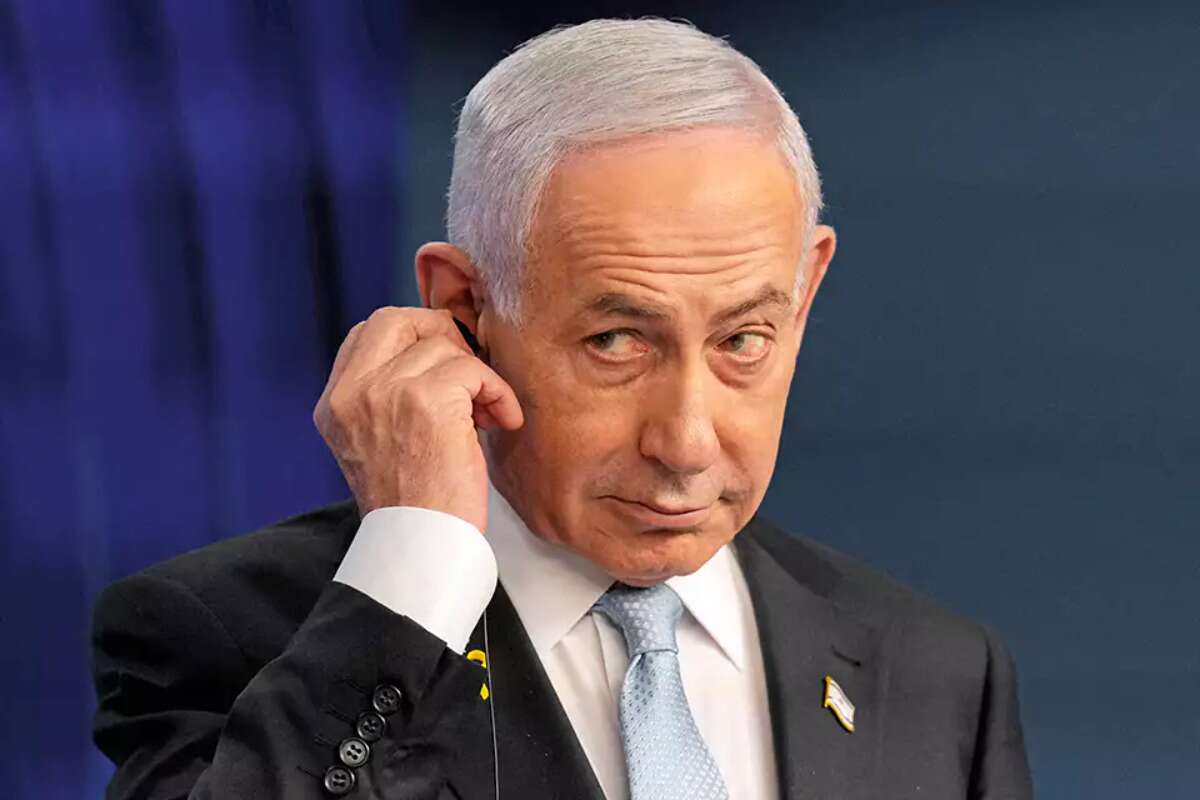
Prime Minister Benjamin Netanyahu said Thursday morning that he intends to establish a "national committee" to investigate the events of October 7, describing it as "balanced, broad and clean" and claiming it would include equal representation from Israel's coalition and opposition.
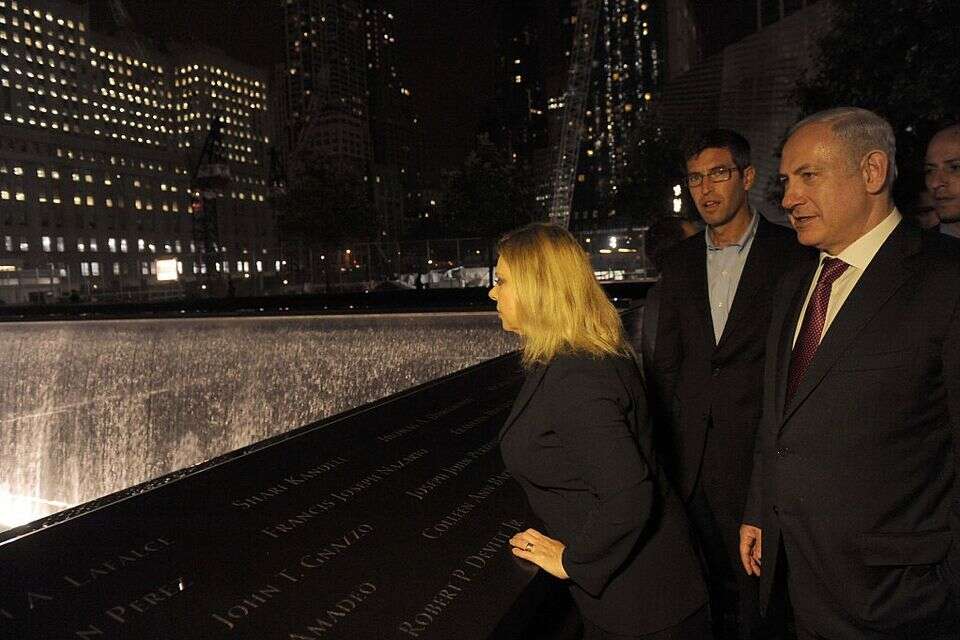
This proposed structure differs from Israel's standard model of a state commission of inquiry. Netanyahu position compared his plan to the inquiry committee established in the US after the September 11 terrorist attacks, which he said had been "half Democratic and half Republican" and had "done an excellent job." A review of the facts, however, reveals three significant gaps between the American committee and the model Netanyahu is promoting.
The intelligence failures
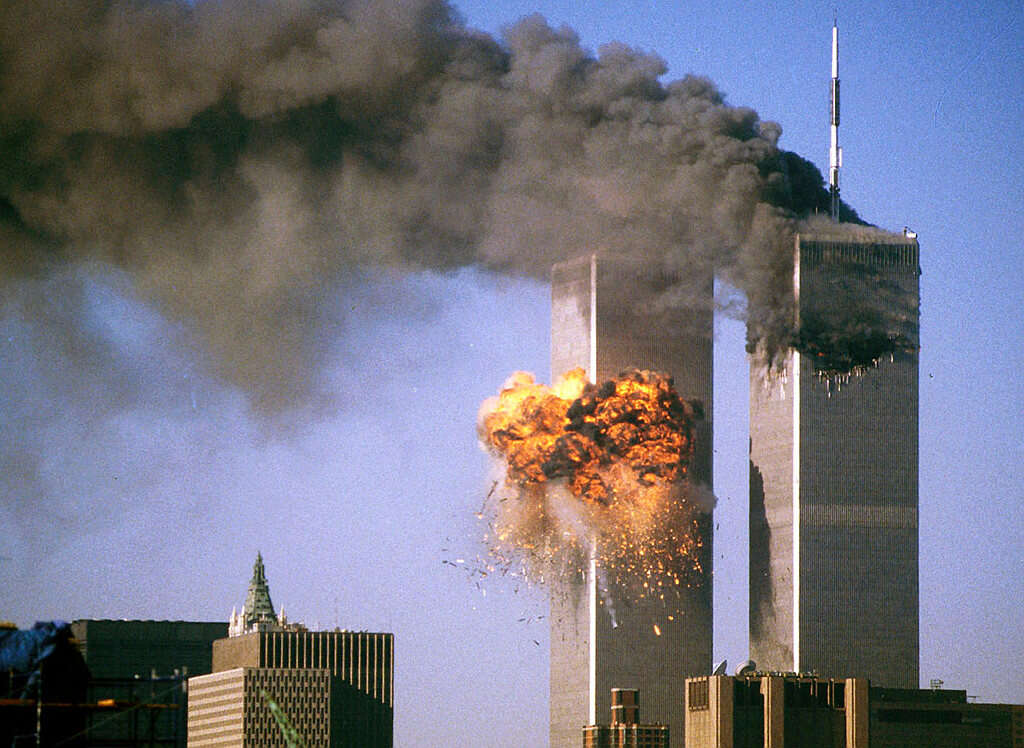
So what is the American committee Netanyahu is referencing? The 9/11 Commission was established in 2002 by a federal law passed by Congress. Its purpose was to investigate the intelligence, operational and institutional failures that enabled the deadliest terrorist attack in US history.
The committee consisted of ten members, five Republicans and five Democrats, most of whom were former senior public officials. It was granted broad powers, including subpoena authority and access to classified material. It conducted interviews with more than 1,000 individuals, held dozens of public hearings and in 2004 released a lengthy report detailing systemic failures across several administrations. Its findings led to sweeping reforms in the US intelligence community.
A campaign of pressure
Netanyahu claimed that a "coordinated pressure campaign by senior former officials" was being waged in recent days, saying these individuals had "allowed anarchy to seep into state systems" and now "seek to distort the facts" and influence the structure of the inquiry. He argued that "such figures must not be involved in decisions and considerations that will determine how the disaster will be investigated" and described their involvement as "a clear conflict of interest."
He insists the national inquiry committee he plans to establish "will represent the entire public, the opposition and the coalition equally."
Yet the American model he cites does not actually support these assertions. First, the 9/11 Commission was itself composed largely of former officials. The chair, Tom Kean, was a former Republican governor. The vice chair, Lee Hamilton, was a former Democratic congressman. Most other members were also retired public officials. In other words, the American model relied on experienced figures who were not politically subordinate to the sitting administration, in contrast to Netanyahu's warnings about the involvement of "former officials."
The administration did not appoint the committee
Second, the administration of President George W. Bush did not appoint the commission and did not control its membership. Congress, which is independent of the executive branch, established the committee through legislation after initial opposition from the White House. The commission was created only after intense public pressure from families of the victims.
Its members were chosen by Democratic and Republican congressional leaders, not by the administration. This ensured full independence from the executive branch it was tasked with investigating. In Israel, however, a national inquiry committee appointed by the government and staffed by its nominees does not reflect the same level of independence.

Third, the "half Democrats, half Republicans" model cannot simply be replicated in Israel, where there is no stable two party system. In the US it is clear who represents the opposition and who represents the majority. Israel's opposition is fragmented, its parties disagree among themselves and they may not even agree on who could legitimately represent them on a committee appointed by the government.
A model of how to conduct an inquiry
In such a system, an ostensibly "balanced" composition does not guarantee independence. It may instead deepen political rifts and erode public trust in the committee's conclusions. Although Netanyahu presents the 9/11 Commission as a model for the type of inquiry he wants to establish, the American committee's structure, membership and method of appointment show that it was built on one essential principle: complete independence from the government being investigated.
That principle is not necessarily reflected in the framework Netanyahu is proposing. It also contradicts his criticism of "former officials" even though, in the US case, they were at the core of the commission's credibility and professionalism.


