
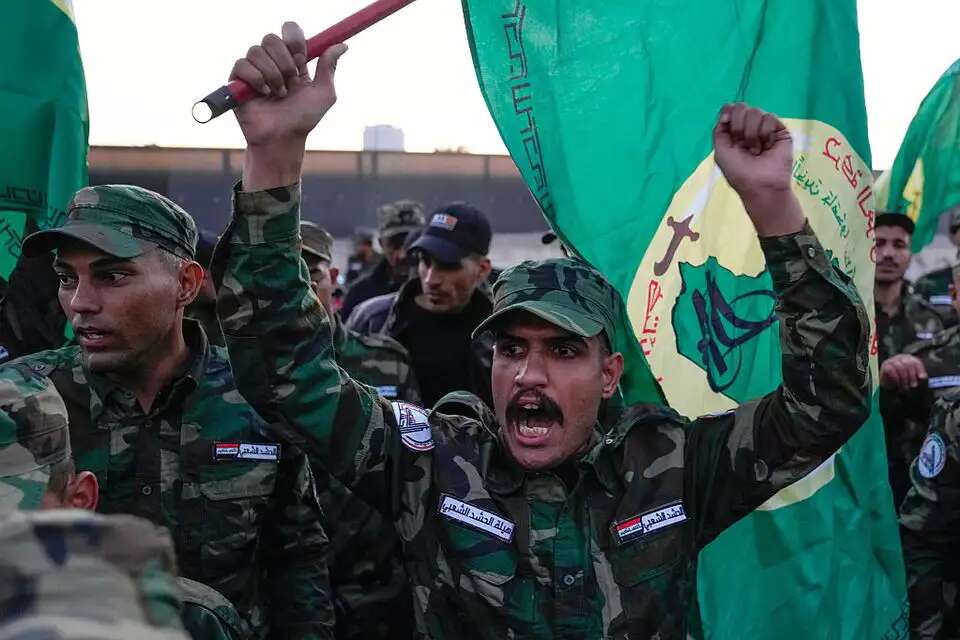
Leaders of several Shiite militias in Iraq announced over the weekend that they were prepared to place their weapons under state control, though at least two major militias continue to refuse. The holdouts are the pro-Iranian militias Kata'ib Hezbollah and Harakat al-Nujaba.
Shebl al-Zaidi, head of Kataib al-Imam, said over the weekend that his group agreed to the Iraqi state holding a monopoly over weapons. Similar statements were made by Qais al-Khazali, leader of Asaib Ahl al-Haq; Haider al-Gharrawi, head of Ansar Allah al-Awfiya; the Kata'ib Sayyid ul-Shuhada militia; and others.
Following these declarations, Iraq's Supreme Judicial Council chief, Faiq Zaidan, issued a statement on Saturday saying the militias had responded positively to calls for exclusive state control of arms. Kata'ib Hezbollah and al-Nujaba rejected the statement.
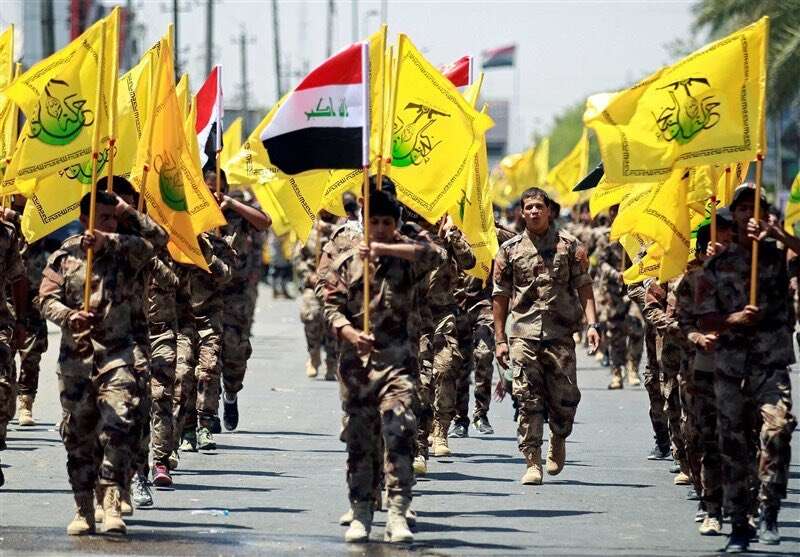
Sources told the Saudi newspaper Asharq Al-Awsat that Iraqi officials recently received detailed intelligence on the militias, allegedly passed on through a Western intelligence body. According to the report, the information included details on militia leaderships, their military structures, financial networks and Iraqi government figures identified as having ties to them.
The Iraqi officials were reportedly stunned by the volume and precision of the information, which was described as a practical warning of a possible military operation. The report said the intelligence had been preceded by a warning from a "friendly Arab country" to Iraq about a potential attack.
In this context, the Saudi newspaper claimed that any strikes could target training camps, missile and drone depots, institutions and influential figures associated with the militias. Over the past year, the US has increased pressure on the Iraqi government to collect militia weapons and dismantle the groups. More recently, it was reported that the Trump administration had set a condition that Iraq's next prime minister must not be affiliated with the militias.


