


Under the October 7 lessons learned process, the IDF says aerial readiness in the Israeli Air Force has increased by more than 250 percent compared with the eve of Simchat Torah 2023. As part of a new aerial border defense plan, readiness levels for fighter jet armaments have risen by 275 percent, attack helicopter readiness has doubled, overall munitions readiness has increased to more than 200 percent, and intervention helicopter readiness has jumped by over 400 percent. In addition, an attack helicopter squadron has been redeployed northward to raise alert levels in that sector.
Meeting the new operational demands requires the IDF to procure additional aircraft, including Apache helicopters, while also extending the service life of older platforms. Alert schedules have also been revised. Fighter pilots, for example, are now expected to strike within minutes of being called up, compared with 45 minutes under the alert posture in place on October 6. Within the first hour, they are required to strike at least 60 targets to disrupt enemy activity.
Minimum requirements have also been set for the number of unmanned aerial vehicles that must be airborne at any given time, as well as for the quantity and types of munitions carried by various aircraft. Five helicopters have been placed on constant alert to rapidly deploy intervention forces from Shayetet 13, Sayeret Matkal and Shaldag. To enable rapid insertion of forces near unfolding incidents, the IDF has prepared hundreds of landing zones across the country, allowing troops to be set down in numerous locations. In Judea and Samaria alone, more than 500 landing zones have been established.
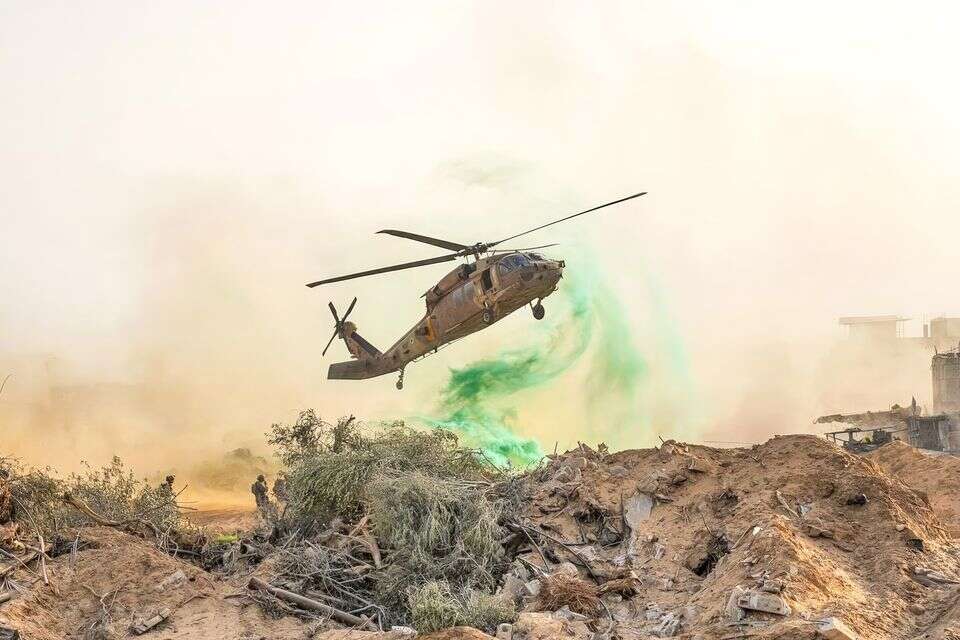
The IDF stresses that the Israeli Air Force does not replace regional commands for border defense. However, despite the fact that the Air Force met all of its alert requirements on October 7 and even exceeded them, it proved ineffective in the face of the scale of the attack. As a result, the aerial response to eruptive incidents has been fundamentally reworked.
Rules of engagement have also been revised. Under the new directives, when a division commander declares the code word "Ra'am," signaling an eruptive incident within the division, orders come into force that delegate significantly greater authority to pilots. For example, pilots may strike enemy forces identified either on Israeli territory or across the border, while making every effort to safeguard Israeli troops and civilians.
Fighter jets have also been assigned predefined targets in every sector based on terrain analysis. Even if contact with headquarters cannot be established, pilots know that during an incident in a given sector they are to strike targets already designated in advance. To cope with dozens of simultaneous incidents, the Air Force has defined "air combat teams," combining crews from observation, transport, attack helicopter and UAV squadrons. These teams are usually positioned close to the area of operations and can divide and manage incidents from the air if the Air Force's central command bunker becomes overloaded.

To embed the changes, a "Border Defense Airpower" conference was held about two weeks ago for commanders and officers from the Air Force and the Ground Forces. The shift represents a conceptual change, under which the Air Force commander approved an updated mission for the air and space arm, formally adding "border defense" to its mandate. In parallel, the Participation and Helicopters Command has changed its name and mission to the Participation and Border Defense Command. Headed by an officer with the rank of brigadier general, the command is now responsible for border defense during eruptive incidents and for providing aerial support to ground maneuvering forces.
In addition, while on October 7 the Air Force operated through a single control, during the war a new control, dubbed "Oz," was established. It operates around the clock and is tasked with providing a rapid aerial umbrella to all forces fighting across all fronts.
Further changes include adding a phone to pilots' helmets and distributing the phone numbers of all local security coordinators nationwide to every squadron. In light of the communications breakdowns on October 7, the IDF has also institutionalized five communication channels linking forces managing incidents in the air and on the ground, ranging from standard military communications to the use of civilian networks to ensure connectivity between all forces responding to an event.


