French film star, singer and outspoken animal rights activist Brigitte Bardot died at the age of 91 after years of frail health, including a lengthy hospitalization in September.
Bardot, one of the defining cultural figures of postwar France and a global sex symbol in the 1950s and 1960s, died following a prolonged period of medical decline.
She was born Brigitte Anne-Marie Bardot in Paris in 1934 to a wealthy, conservative Catholic family. Her father, Louis Bardot, was a strict engineer who believed in corporal punishment and rigid discipline, and as a child he flogged her and her sister after they accidentally broke a vase. She was sent to study ballet under Russian choreographer Boris Knyazev, but it was a cover appearance for Elle magazine at age 15 that altered the course of her life and propelled her toward acting and modeling, careers her parents strongly opposed.
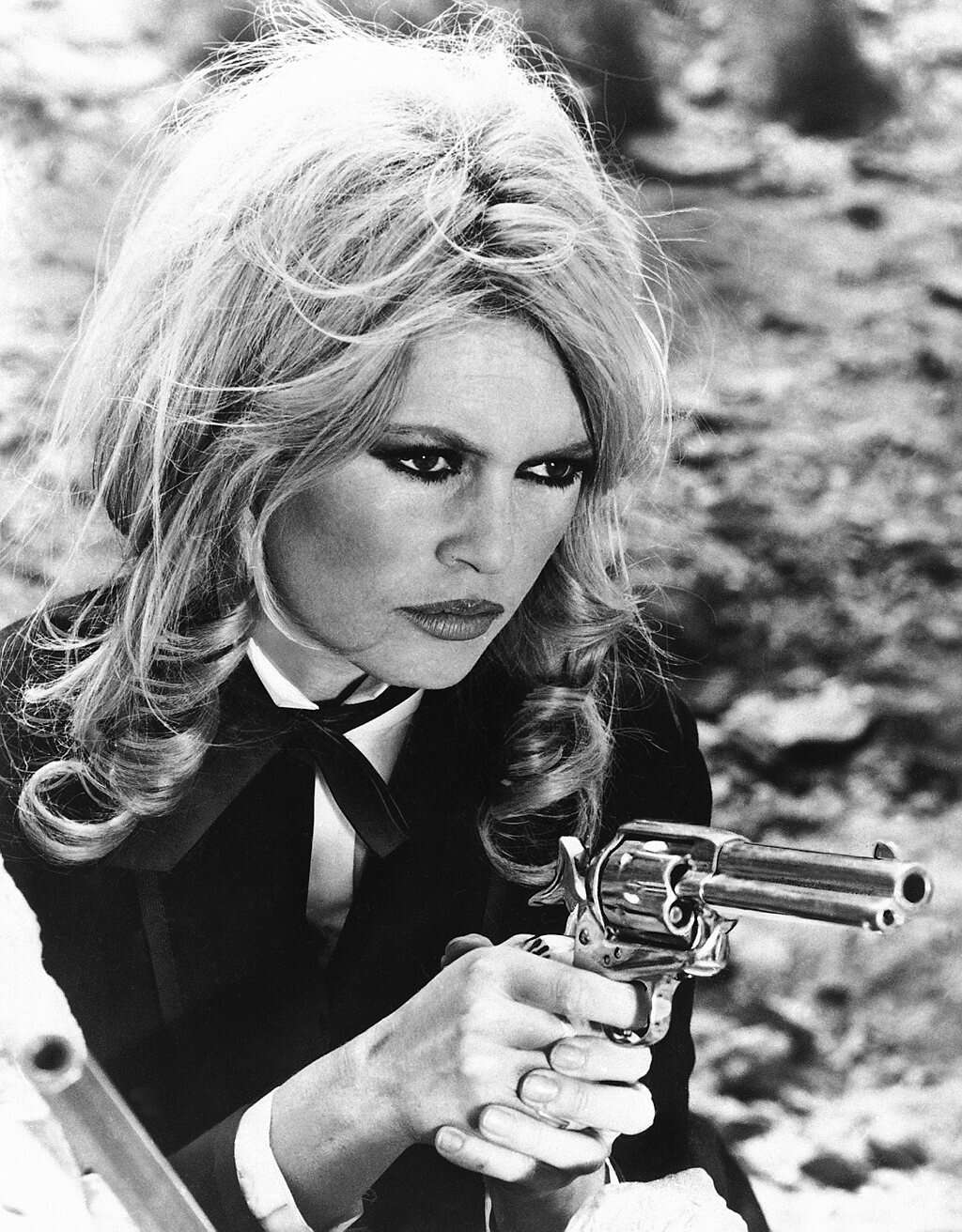
Her first film role came in 1952 in Crazy for Love, but her defining cinematic breakthrough arrived in 1956 with And God Created Woman, directed by Roger Vadim, who later became her first husband. Her relationship with Vadim was so troubling to her parents that it led to a suicide attempt, when she put her head in an oven. Her parents ultimately saved her life and agreed to accept the relationship on the condition that the couple wait until she turned 18 and refrain from sexual relations beforehand, a promise Bardot later admitted she did not keep before their marriage, which took place when she was 18.
The film transformed Bardot into an international sex icon, the ultimate erotic femme fatale. Sensuously blonde, with full, pouty lips, a distinctive gap between her teeth, heavy black eyeliner and a hairstyle that became her trademark, she embodied an uninhibited femininity and frequently appeared topless in her films, defying the conventions of her time.
She became a worldwide sensation and cemented her status as an international symbol of sexual liberation, helping drive the French New Wave. Her name was often mentioned in the same breath as Marilyn Monroe, and she emerged as France's biggest star, particularly during the 1950s and 1960s.
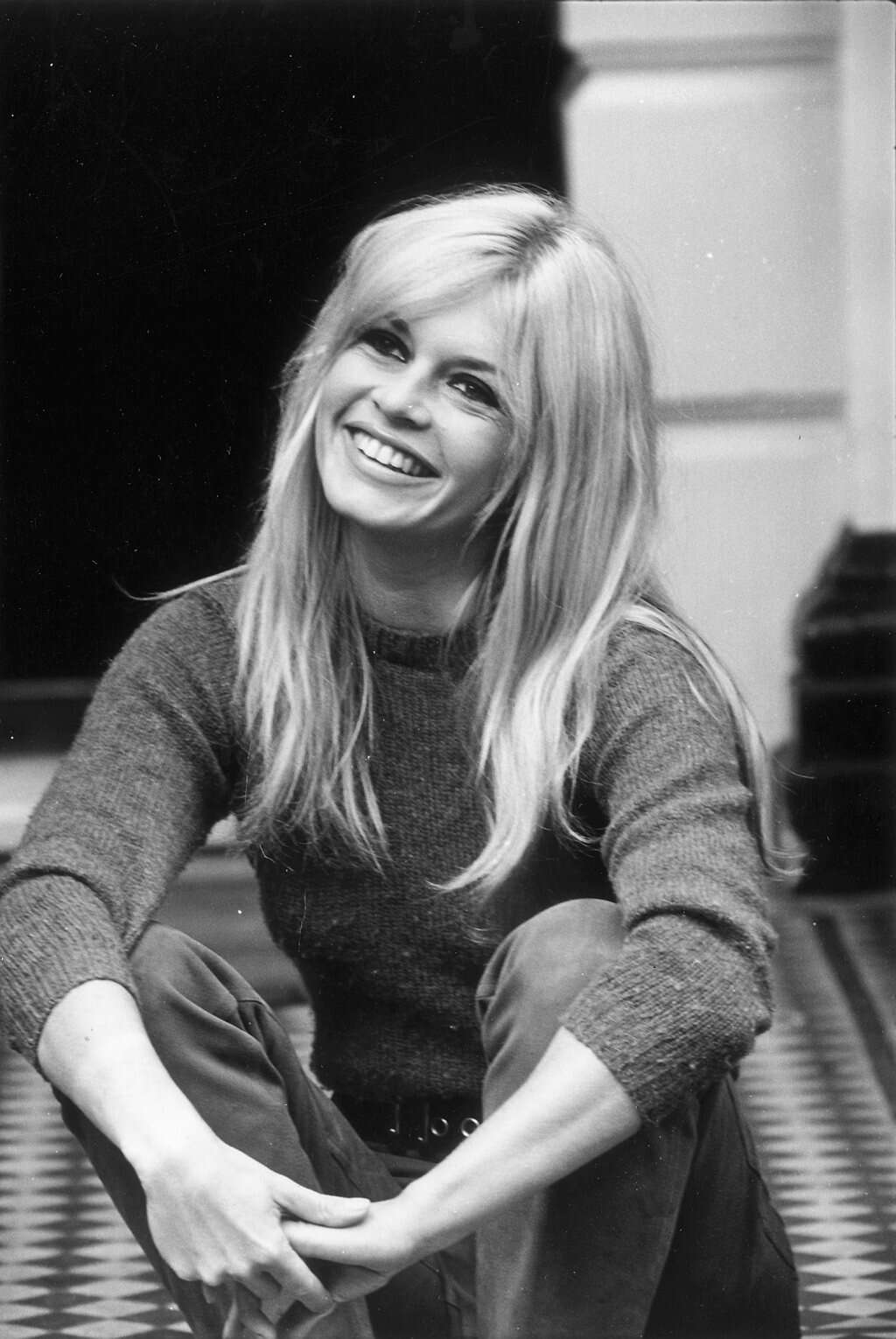
Over the next two decades, until her retirement at age 39 in 1973, Bardot appeared in 47 films, including Jean-Luc Godard's classic Le Mépris, as well as The Woman, La Vérité, Viva Maria!, Doctor at Sea, Helen of Troy and Love Is My Profession. She also recorded more than 60 songs and received numerous international honors, including France's Legion of Honor in 1985.
In later life, Bardot withdrew almost entirely from the public eye and devoted herself to radical animal rights activism, a cause that defined her post-cinematic identity as strongly as her film career once had.