


The Israeli announcement recognizing Somaliland's sovereignty has triggered an uproar within the Somali community in the US, most of it concentrated in Minnesota. Social media has been flooded with voices both supporting and opposing the move.
Yet amid the heated debate, one prominent voice has been conspicuously absent. Congresswoman Ilhan Omar, long regarded as a leading figure and de facto spokesperson for the Somali American community, has remained silent. Her silence is striking, particularly given that she rarely misses an opportunity to criticize Israel and is usually outspoken on Somali-related issues.
One possible explanation lies in the delicate internal dynamics of the Somali community in the US, which forms the backbone of Omar's electoral base, as well as in her own controversial family history, tied to one of the darkest chapters in Somalia's past.
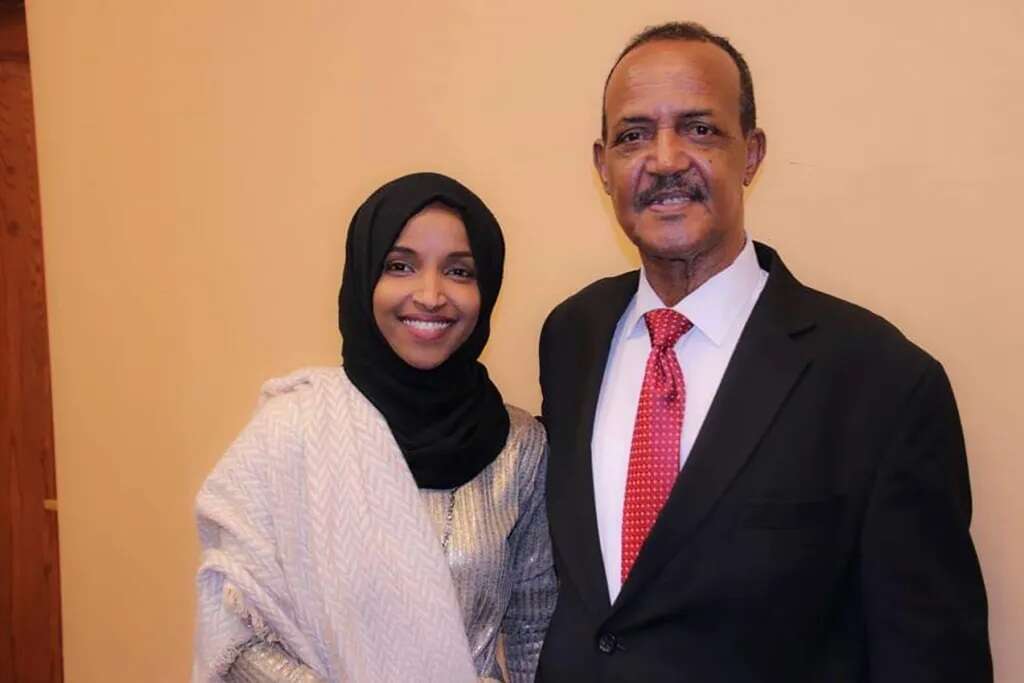
Omar's father, Col. Nur Omar Mohamed, was allegedly directly involved in the genocide against members of the Isaaq clan in northern Somalia. That same clan later went on, in the aftermath of the civil war, to establish the Republic of Somaliland. The genocide was carried out under the rule of Somali dictator Mohamed Siad Barre, who led an authoritarian military regime and routinely executed his opponents.
The campaign of mass killings began after Somalia's defeat in the Ogaden War against Ethiopia, a loss that triggered a massive influx of refugees into northern Somalia. The sudden arrival of large numbers of refugees led to mounting friction with the local population, most of them Arab members of the Isaaq clan, who lived semi-nomadic lives in the region. The tensions eventually erupted into an Isaaq uprising against the Mogadishu regime, prompting Barre to order a brutal military crackdown.
The president's son-in-law, Gen. Mohamed Said Hersi Morgan, drafted a document approved by Barre that proposed a "final solution" to what he described as the Isaaq problem. The plan was swiftly implemented, launching a systematic campaign of executions by gunfire, starvation and aerial bombardment. More than 200,000 civilians were killed, and human rights organizations continue to uncover new mass graves in the sands of Somaliland.
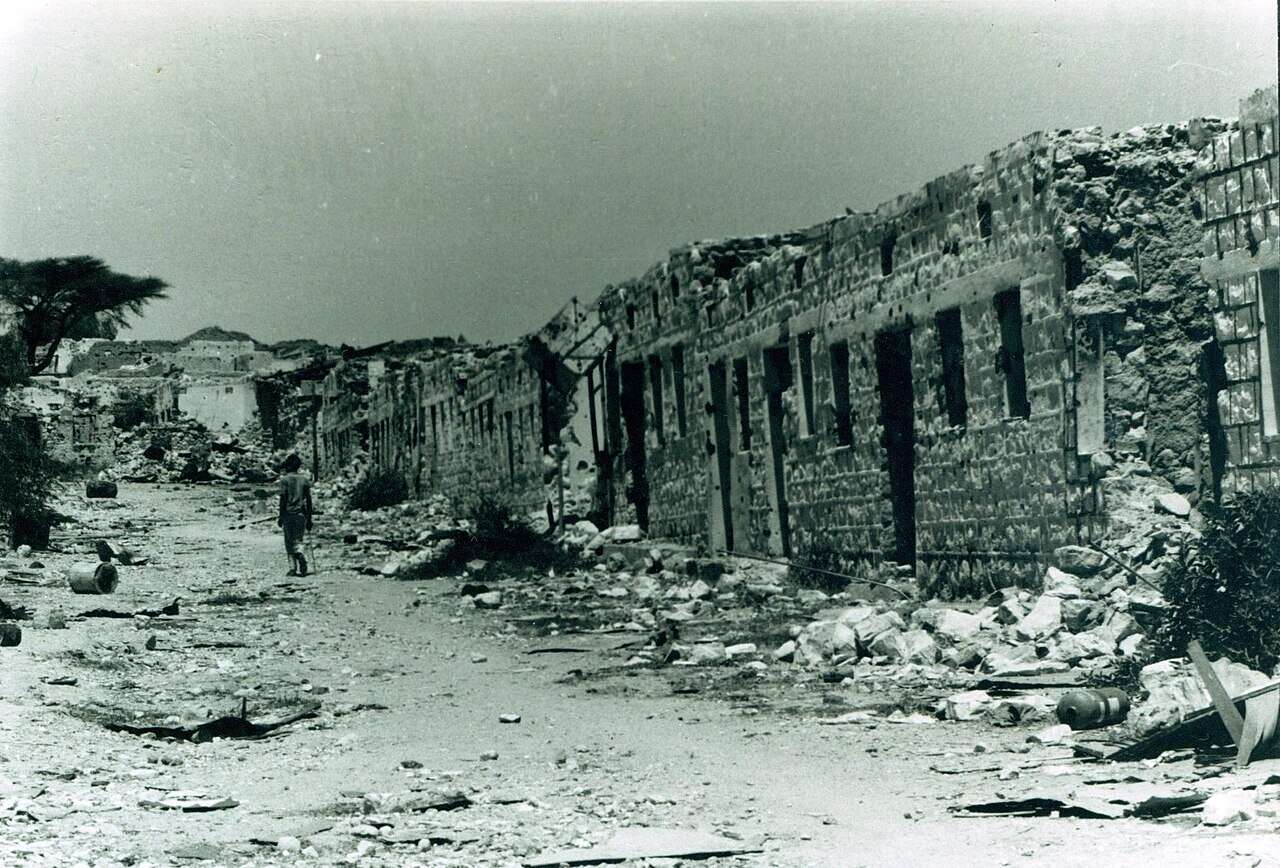
Col. Nur Omar Mohamed was one of the commanders in the field during the genocide. His close ties to the president and to the ruling clan enabled him to evade accountability. At the time, the Somaliland Chronicle published an article stating: "At the heart of this brutal military regime stood Col. Nur Omar Mohamed, Ilhan Omar's father. His rank, authority, membership in the ruling Darod clan, and more than 10 years of advancement through the Somali military hierarchy to the rank of colonel placed him directly within the chain of command during, and at the height of, the Isaaq genocide. Based on his position, loyalty to the regime and role in the army, it is almost certain that he had extensive knowledge of, and involvement in, the planning, conception, management and execution of the genocide."
Many survivors of the genocide, along with members of other ethnic groups who suffered under Barre's bloody rule, now live in the US and form part of Omar's electorate. The prospect of reopening the deep wounds of the massacres of the late 1980s and early 1990s may be reason enough for the congresswoman to forgo another confrontation with Israel and opt, at least this time, for silence.


