The IDF has established a stark but nuanced policy: Soldiers who take their own lives after completing service won't receive fallen soldier status, yet their families will receive something the military has never offered before – military honors at civilian funerals and a fast track to Defense Ministry compensation.
A special committee formed in response to escalating suicide rates since the war erupted has ruled that individuals who ended their lives following discharge from mandatory military service or the end of their reserve call up will not be classified as fallen IDF soldiers – yet their families will be granted support, military ceremonial elements at funerals, and streamlined recognition from the Defense Ministry. The committee refrained from evaluating specific cases, instead formulating exclusively systemic and fundamental recommendations.
The committee reviewing recognition of those who took their own lives following their wartime military service, led by Major General (Ret.) Moti Almoz, crafted a suite of recommendations attempting to strike a balance between safeguarding the standing of fallen IDF soldiers while delivering compassionate assistance to families. Per the recommendations, civilians who took their own lives post-discharge will not be classified as fallen IDF soldiers, though a policy characterized as "embracing" will be implemented toward them, encompassing accompaniment, limited recognition, and expedited processes.
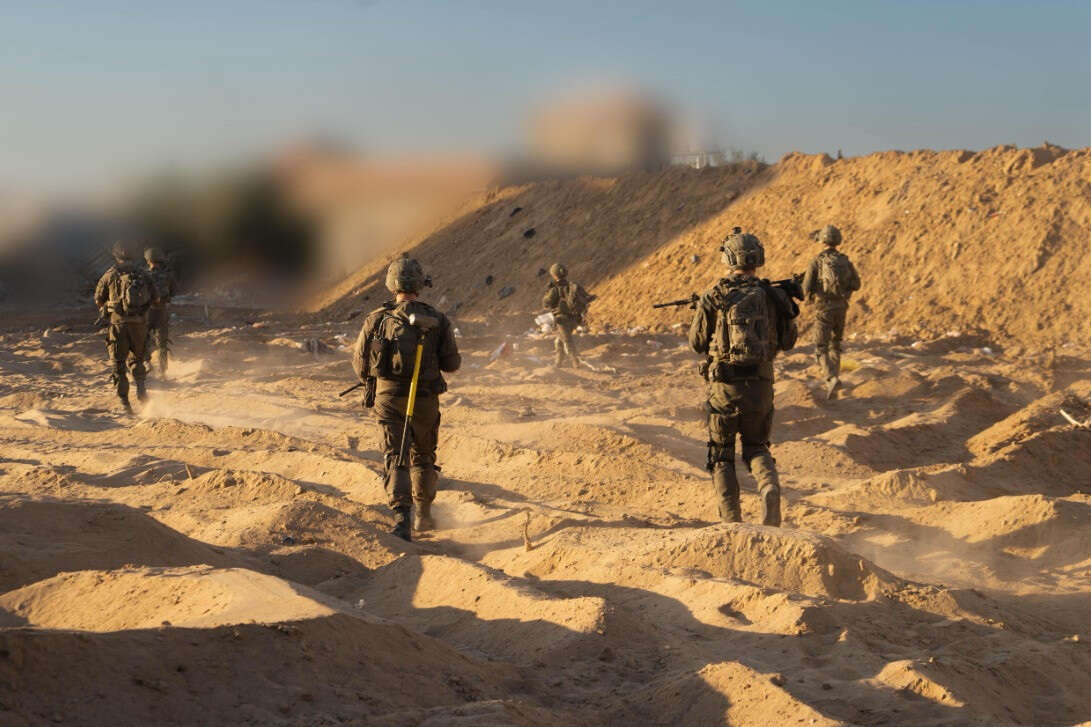
The recommendations exclusively pertain to those who served in the IDF throughout the ongoing war since October 7, extending up to two years beyond the completion of their service. The evaluation will proceed without differentiating between those who held combat assignments and those who didn't occupy combat positions. Since hostilities commenced, 15 instances have been documented of former troops who ended their lives, with their families asserting a direct correlation between the suicide and traumatic experiences endured during military duty. Throughout the evaluation process, variables including service duration, assignment characteristics, exposure to extraordinary events, and temporal proximity between discharge and death will be weighed.
In light of mounting cases and apprehension about the trajectory persisting, the committee was constituted per directives from the defense minister and chief of staff, functioning as a collaborative IDF-Defense Ministry body. The committee established that when receiving notification from commanders, relatives, police authorities, or news organizations, a preliminary committee within the Manpower Directorate will assemble to execute merely a preliminary assessment of multiple criteria, encompassing service duration and baseline medical condition, aimed at reaching a determination about funeral arrangements.
Civilian funerals with military presence
In circumstances where determination is made that the case satisfies the criteria, the funeral will transpire in a civilian cemetery yet will incorporate specific military ceremonial components, encompassing remarks by the soldier's commanding officer, attendance of military representatives, and placement of a memorial wreath courtesy of the IDF. Military officials clarify that the initiative's objective is "to embrace and accompany" the families, even when the deceased isn't classified as a fallen IDF soldier.
Furthermore, should determination be made that the deceased satisfies the requirements, the IDF's Casualties Department will likewise accompany the family throughout the Shiva (the traditional seven-day Jewish mourning period). Upon conclusion of the Shiva, department representatives will brief family members on prevailing Defense Ministry protocols, encompassing the potential for recognition by the compensation officer.

Concerning formal standing, the committee stipulates that even should correlation be established between the suicide and military duty, the deceased will not be classified as a fallen IDF soldier, driven by intent to maintain the standing of fallen IDF soldiers who perished during their service or throughout operational endeavors. Nevertheless, considering an extended combat duration, adoption of an "embracing and broadening" stance was advised, whereby the Defense Ministry will possess authority to classify the deceased as those who "perished as a result of service" – a designation that presently exists as well.
This classification will empower families to obtain specific entitlements from the Defense Ministry, and additionally result in the deceased's names being displayed in the Hall of Remembrance bearing the designation of those who perished as a result of service. The IDF and Defense Ministry underscore that the principal advancement in the recommendations lies not in modifying the statutory definition, but rather in military accompaniment, family assistance, and endeavoring to deliver compassionate and comprehensive response to the extraordinary circumstances generated in the war's aftermath.