


Two years in the shadow of war, one of the worst image crises Israel has ever faced, internal political turmoil and rounds of confrontation with Iran have left many Israelis with little room for optimism. That breaking point led many to consider leaving. Yet for 21,900 people, 2025 represented the realization of a lifelong dream. Against the backdrop of rising antisemitism worldwide, this year marked a long-awaited new beginning for them as citizens of the State of Israel.
Despite everything, even as the country remains far from the day it can fully heal its wounds, the bond between Diaspora Jewry and Israel is stronger than ever. According to data from the Ministry of Aliyah and Integration and Nefesh B'Nefesh, 2025 saw a roughly four-year high in immigration from North America, increased numbers of immigrants from Britain and France, and about one-third of the new olim - who came from 105 countries - were young people seeking to secure their future in the Jewish state.
Some joined the IDF; others fulfilled a dream decades in the making. These are eight stories of immigrants of 2025, for whom the past two years have proven one truth: we have no other country.
Joshua Asarnow, 25 | Country of origin: US
"I came to Israel first and foremost out of Zionism," Joshua Asarnow said. "The first time I landed at Ben Gurion Airport, I had a gut feeling that this was it, that I was staying." His first experience in Israel was through the Taglit-Birthright Israel program about three years ago, which led him to volunteer for service in the IDF. He served for nearly two years in the Paratroopers Reconnaissance Unit along the Gaza, Syria and Lebanon fronts, all while still an American citizen. "I thought, what can I do for the country? Everyone here serves in the army, so for me it was obvious."
After his discharge, Asarnow realized he had no time to waste. "I felt like a tourist. I didn't feel Israeli, because I really wasn't. I can contribute as a citizen and build a real home here, and I understood that it was time to make aliyah," he said. "Being a Jew in the Jewish state is the best thing that could have happened to me. There will always be excuses, but if it feels right, the time to make aliyah is now."
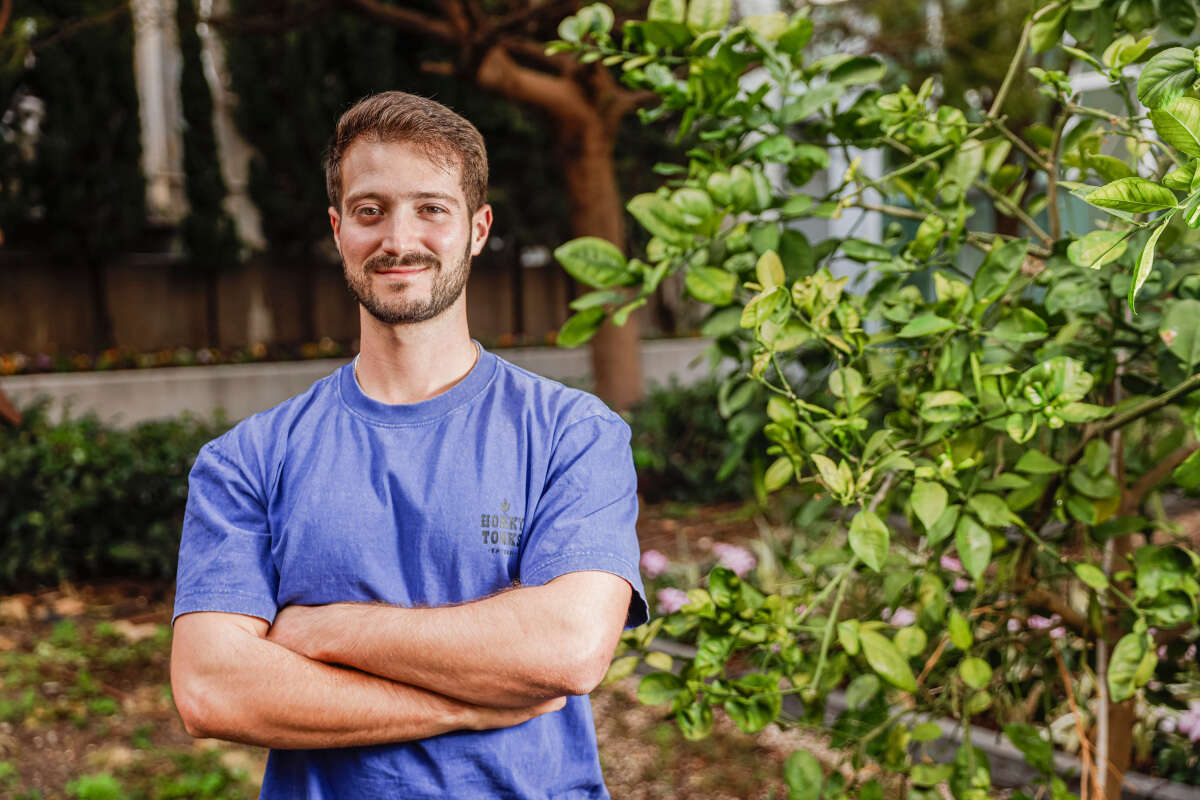
Rebecca Spagnoletto, 27 | Country of origin: England
"I always knew that at some point I would make aliyah," Rebecca Spagnoletto said. "The consequences of the war and the rising antisemitism in 2025 made it clear to me that I would rather invest my presence, talent and contribution in Israeli society." Spagnoletto, a graduate of the Taglit Excel program, which aims to develop the next generation of business leaders in Israel and around the world and strengthen ties to Israel and the Jewish people, now works at the Israeli branch of the American bank JPMorgan.
"One of the reasons many Jews hesitate to immigrate to Israel is the fear of starting from scratch. Don't be afraid of that. If you are willing to commit to this country, the right opportunity will come," she said. "Israel has so much to offer. My experience so far has been fantastic. It's a country full of opportunities where young people can thrive and realize their potential." To those on the fence, she added: "Do it. You won't regret it."

Yael Schwartstein, 25 | Country of origin: Chile
Yael's turning point came during her volunteer work in Israel about a year after October 7. "I met a rabbanit in Mea Shearim who told me I should move from where I was living. The idea of making aliyah was already in my head," she said. That thought led her to enroll in a professional internship in Israel through the Masa Career program. "Already during the program I understood that I was making aliyah. I feel that I found my place here. I connected much more deeply to my Judaism. I started observing Shabbat and keeping kosher. I love being here. In my view, every Jew should live in the State of Israel."
Schwartstein emphasized that the process was not without challenges, but it was rewarding. "'If you will it, it is no dream.' I truly believe that. With a lot of faith, including in yourself, you can dream big and achieve all your goals here."
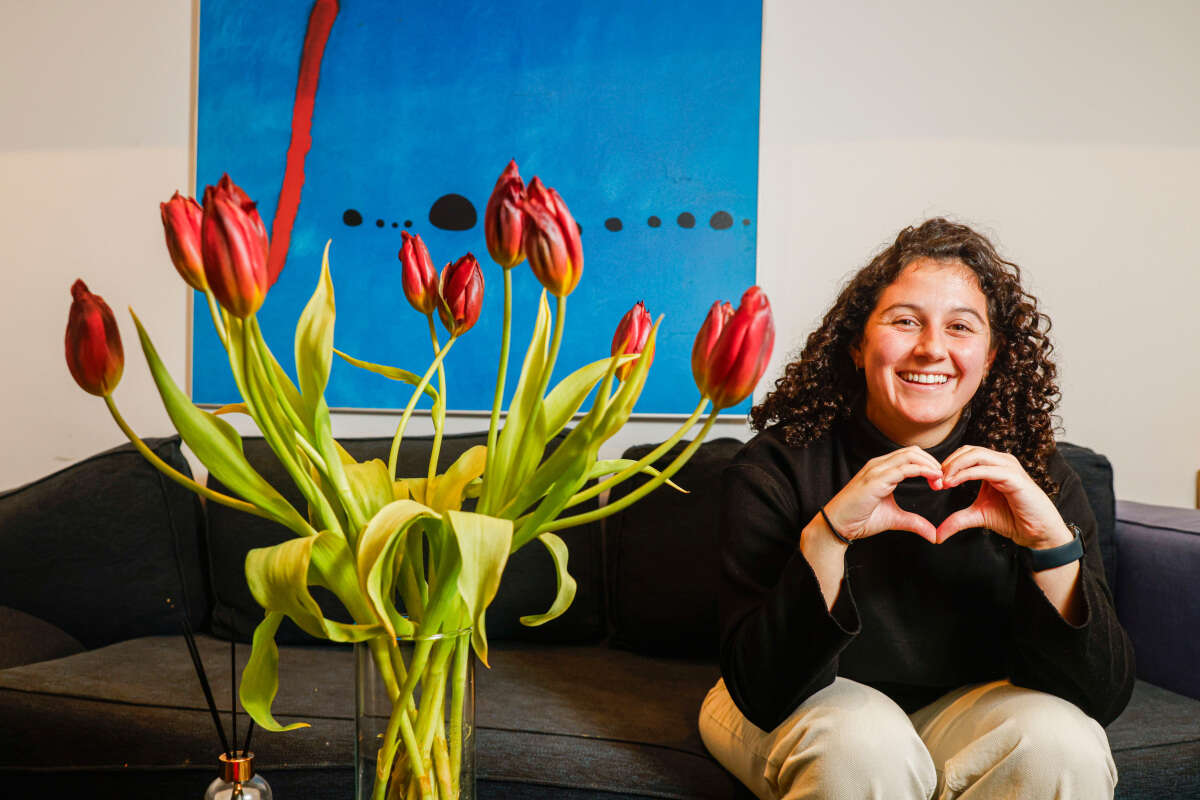
Linda Morganstein, 84 | Country of origin: Canada
Linda, who made her way from Toronto to Ashkelon in her 80s, proves that not only is the sky the limit, but that it is never too late to realize a dream. "This has been my dream since I was 14. Seventy years later, here I am," she said with a smile.
Over the years, Morganstein volunteered extensively in Israel through the Sar-El organization, which brought her to Israel for the first time in 1991 during the Gulf War. "It changed my life and gave me a sense of purpose, so I knew I had to come back," she said. After her husband's death, and together with her son and granddaughter who also made aliyah, she realized there was nothing keeping her in Canada. She immigrated with the help of Nefesh B'Nefesh in cooperation with The Ministry of Aliyah and Integration, The Jewish Agency for Israel, Keren Kayemeth LeIsrael and Jewish National Fund-USA.
"Canada is not what it used to be when I grew up there. It's a bad time to be a Jew in Canada, and I'm glad I'm not there anymore," she said. Of her long-awaited arrival in Israel, she added: "I have never had such a warm welcome. When they said to me, 'Welcome home,' I started crying."
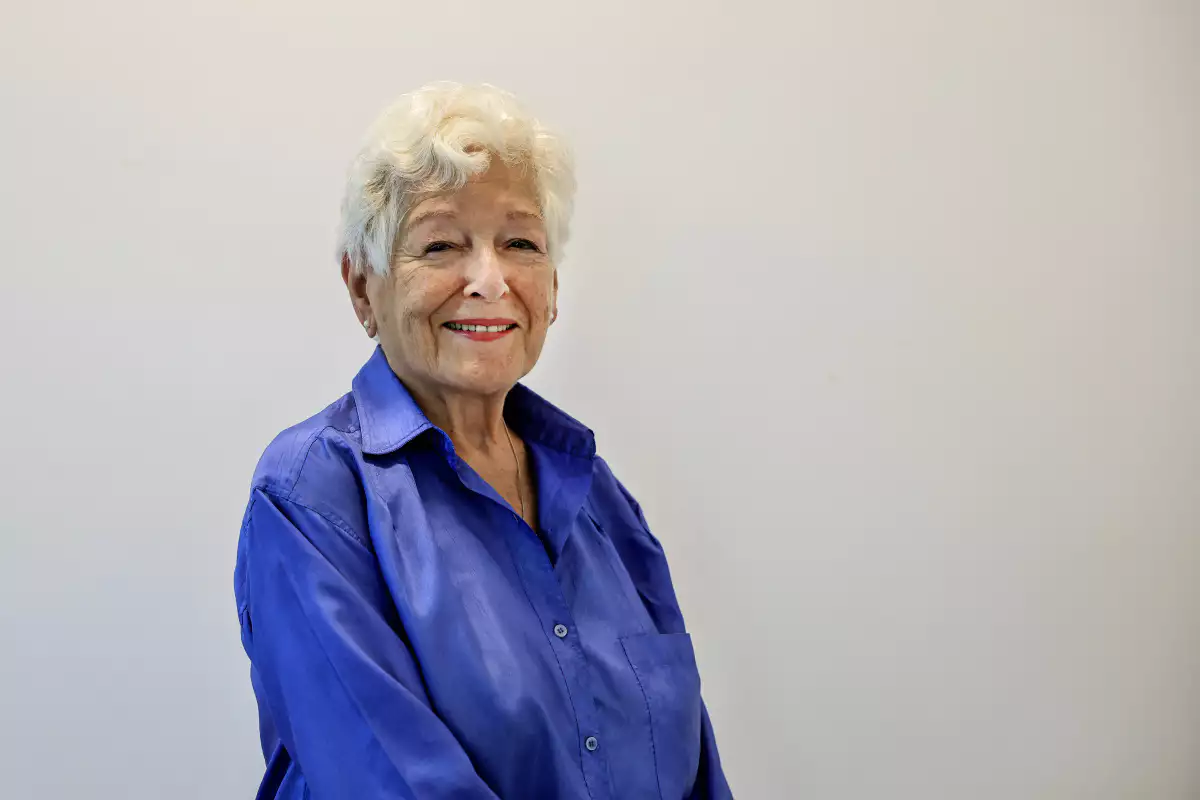
Jeremy Vanwetter, 27 | Country of origin: France
"I felt this was my country," said Jeremy, who left his family in Marseille after childhood experiences and falling in love with Israel through the Masa Career program led him to make aliyah. "At the school where I studied in Toulouse, Ozar Hatorah, there was a terrorist attack in 2012. It left me traumatized," he said. Although he was in Israel on October 7, that traumatic experience, he said, actually opened his eyes. "When I arrived here, I fell in love with the culture and the people. October 7 made me understand how important it is to be united."
Beyond the Zionist aspect, he said the process helped him grow personally. "If I had stayed in France, I would have remained in my comfort zone. It made me think about the goals I want to achieve in my life. Making aliyah is very hard, but at the same time, it will open your heart."
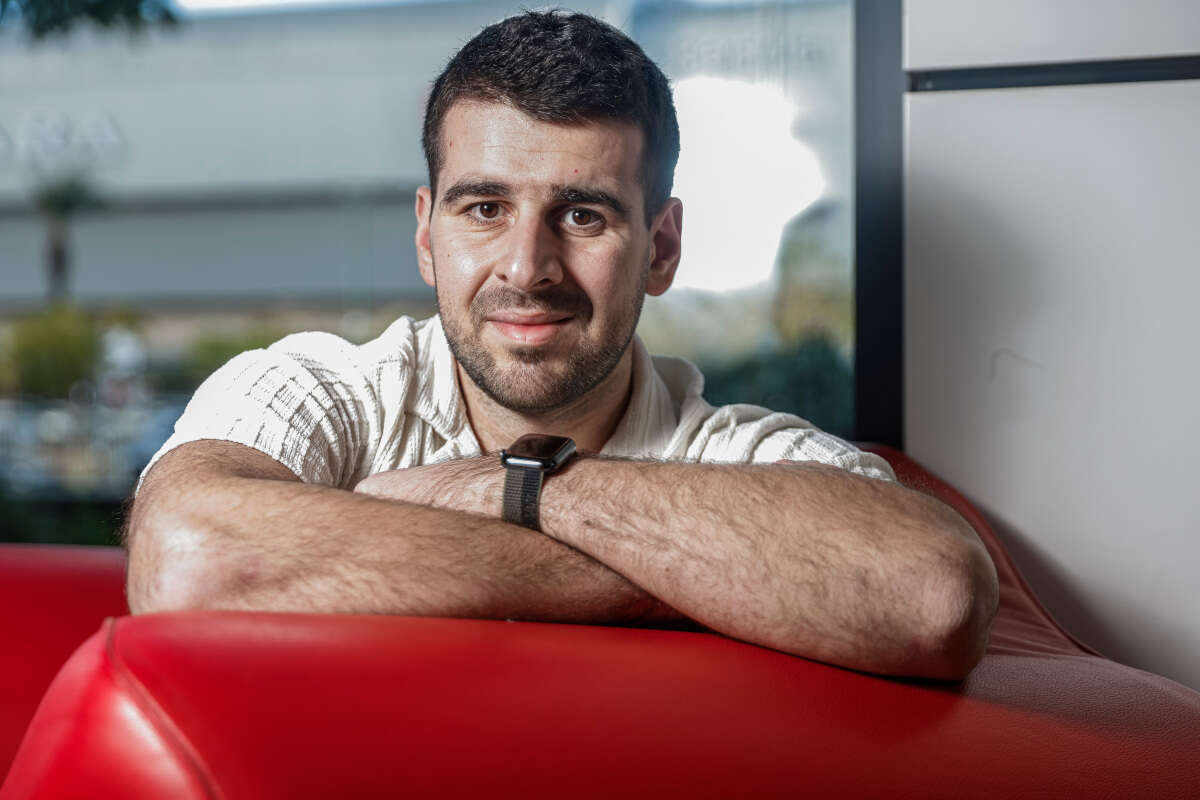
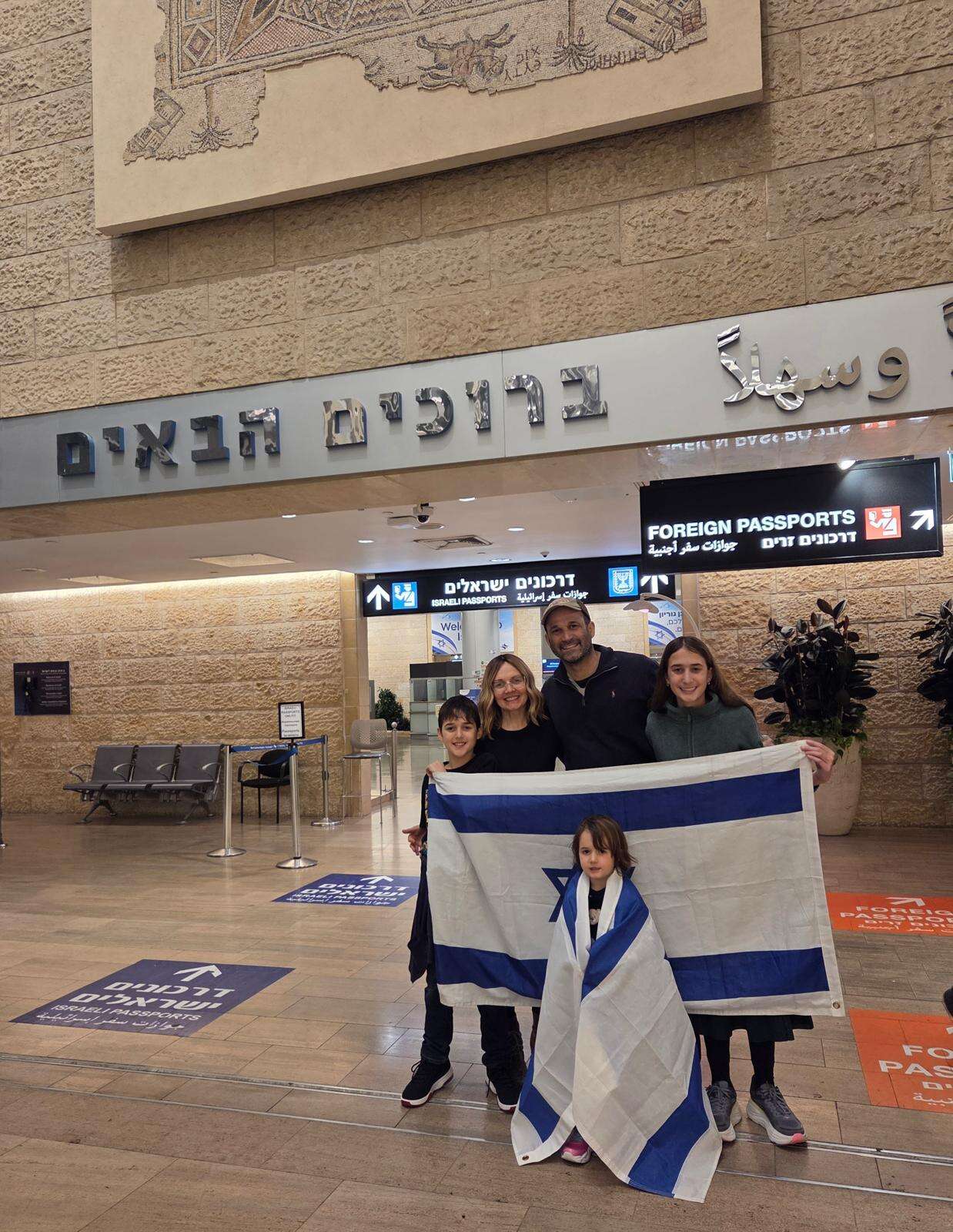
Ksenia and Sagiv Aaron, 42 and 44 | Country of origin: US
Ksenia and Sagiv's story began in Israel when they were medical students. They closed the circle by making aliyah together with their three children, with the help of Nefesh B'Nefesh in cooperation with The Ministry of Aliyah and Integration, The Jewish Agency for Israel, Keren Kayemeth LeIsrael and Jewish National Fund-USA. "We always wanted to come back home one day," Ksenia said.
Against the backdrop of rising antisemitism in the US since the outbreak of the war and their desire to secure a better future for their children, a job offer Ksenia received at the head and neck surgery department at Rambam Health Care Campus tipped the scales. "It's the ability to do what I love at a higher level and to contribute in a meaningful way here in Israel," she said. "We have no other country. Here, I hope my children will never again feel that they are discriminated against for being Jewish."
"As a physician, where there is a need, that's where you should go," Sagiv added. "Israel has an enormous need for doctors, and we decided to come here. This is our country, and this is where we need to contribute. Everyone I spoke to told me, 'It's going to be hard, but it will be amazing for your children.' My hope is that my children, who will grow up in the land of Israel, will develop and flourish together with the country."
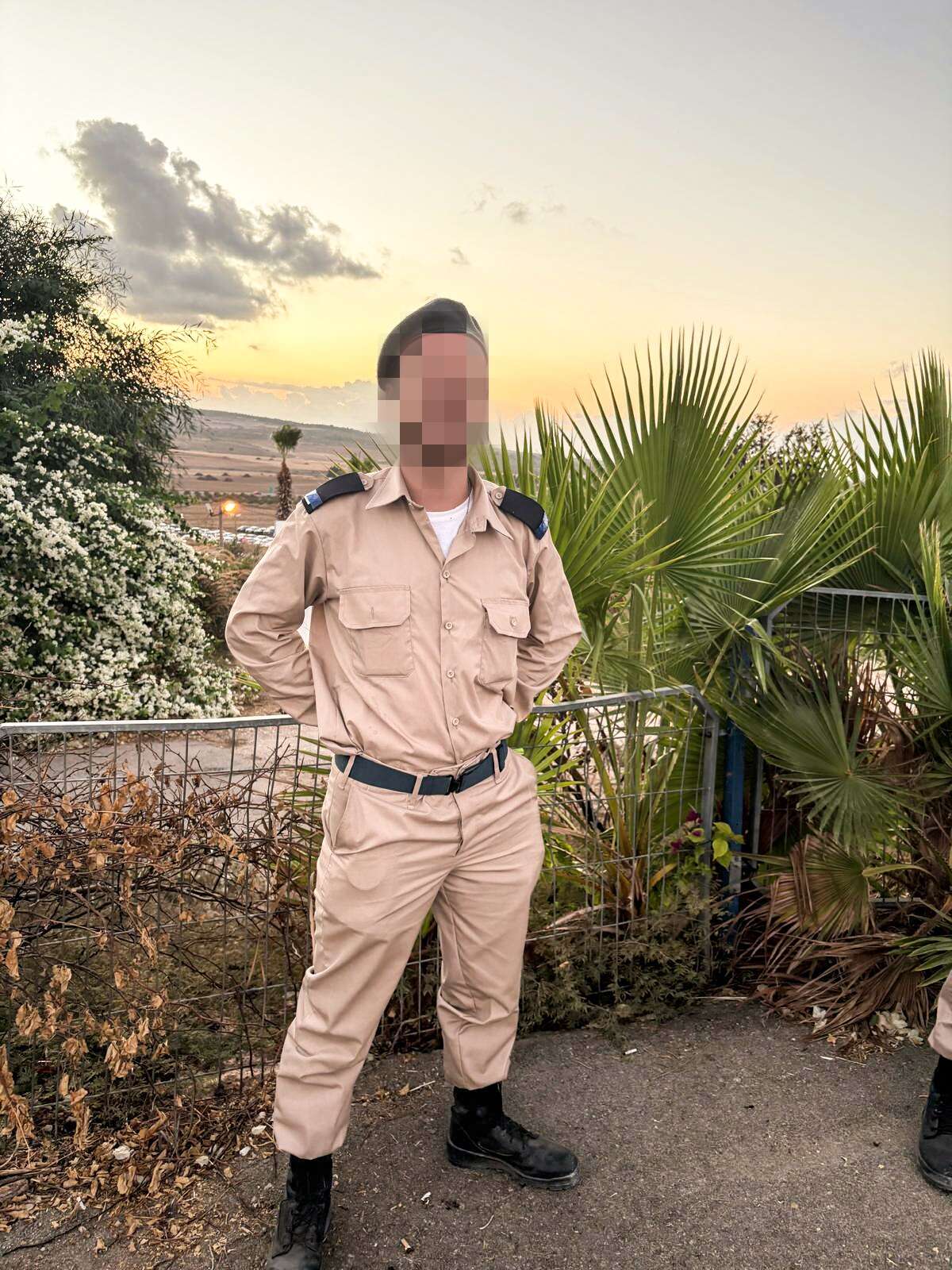
A., 23 | Country of origin: England
"When I started thinking about what I wanted my future to look like, I didn't see myself in England," said A., who enlisted in a classified unit in the Israeli Air Force's technological array upon making aliyah, through the Tzofim Garin Tzabar program, which provides support from absorption through enlistment. "It's not the same place my grandparents grew up in. It's not easy. I lost quite a few friends after October 7. I've always had a strong connection to Israel, and I thought that enlisting in the army would allow me to contribute, while also learning the language and developing my career."
"I haven't had a moment of regret. There are adjustment difficulties. British culture is completely different from Israeli culture," he said. "But the sense of service is so meaningful. I understand what I'm defending and what kind of threat we're facing. In England, I felt lost."
For him, the deepest connection to the country was expressed through a sense of belonging. "Everyone I met asked how they could help me. In England, it feels like I'm surrounded by strangers." On choosing to immigrate this year in particular, he said: "We are in a very special period in history. It doesn't compare to any other experience. Go for it."
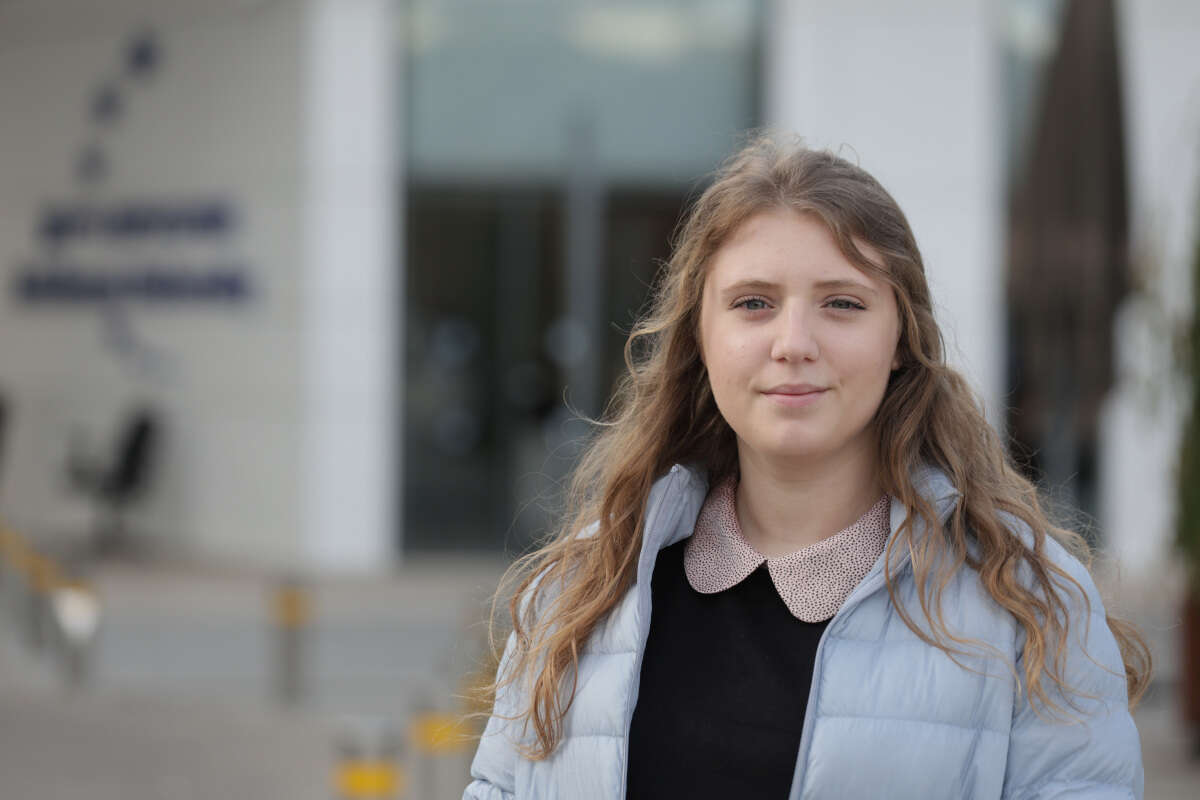
Abigail Brown, 25 | Country of origin: US
Love led Abigail on her journey from the US to Israel, after she met her Israeli partner at a summer camp and came to Israel through the Masa Career program. "During the program, I fell in love with the country and decided that this is where I want to be. The pride in my Zionism, when back home I felt completely alone, the energy in the air and the sense of community are just some of the things that make me love Israel."
Despite language challenges and the distance from her family, Abigail feels that moving to Israel and starting over changed her life. "I feel like I'm making the most of every day here. It's hard, but it's rewarding. If you feel stuck, bet on yourself and start over. It's worth it."
Bringing one million Jews to the State of Israel
On the eve of Rosh Hashanah, Israel Hayom launched the "11th Million," a Zionist call to turn a vision into reality: the immigration of one million Jews to the State of Israel over the next decade.
At the heart of the initiative is a bold national effort that goes beyond a value statement and sets a strategic goal. Mass aliyah is not only a personal solution for Jews currently living under a growing threat of antisemitism in communities such as Australia, Britain, Canada, France and Russia. It is also a historic opportunity to shape the future of the Jewish people and to build Israeli society, its security and its economy.
Our goal is twofold: to make the Israeli public aware of the magnitude of this moment, and to call on the government to mobilize behind a national plan in housing, employment, education and infrastructure that will turn the dream into reality.
The "11th Million" will not settle for slogans. Throughout the year, we will work to elevate the public and political discussion around the project through in-depth reporting, filmed journeys, special projects and concrete work plans designed to transform the vision into a cohesive national program.
This is the moment to raise the flag. The 11th Million is more than a numerical target. It is a historic decision.


