


Dr. Alon Liel called on fellow academics to join him in signing a letter to President Donald Trump urging action to release Marwan Barghouti, a mass murderer serving multiple life sentences in Israel. However, the letter was inadvertently distributed to students.
The letter claimed that Barghouti's release could contribute to renewing "peace efforts" between Israel and the Palestinians. It further stated that Barghouti is viewed by many as "the most prominent Palestinian leader of our generation" and that he possesses a unique ability to unite the Palestinian people, according to Liel.
The terrorist Marwan Barghouti, one of the founders of the Fatah movement, was among the organizers of the Second Intifada. He led terrorist activity and was sentenced to five life terms for his role in the murder of Israelis.
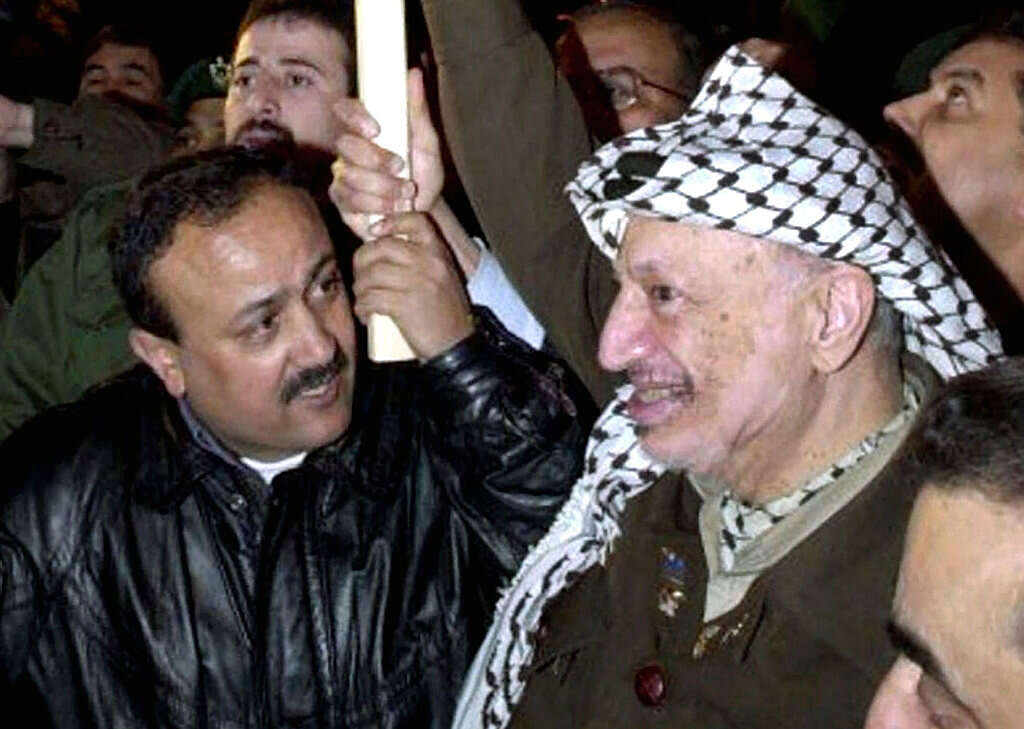
The letter further asserted that "the release of Marwan Barghouti could influence Palestinians and Israelis in a manner similar to the impact of Nelson Mandela's release some 35 years ago," adding that, like Mandela, Barghouti has become in the eyes of his supporters "a symbol of his people's hopes for freedom, dignity and reconciliation."
The authors of the letter also addressed President Trump directly, writing: "As an American president committed to advancing peace around the world, we call on you to demand the release of Marwan Barghouti as a necessary step toward renewing meaningful peace talks." They argued that such a move could usher in "a new era of peace, security and prosperity for both peoples."
Liel asked fellow academics to add their signatures to the letter, but student email addresses were mistakenly included in the send list. At the beginning of last month, about 200 cultural and literary figures from around the world signed the same letter as part of an international initiative calling for the release of the mass murderer Barghouti.
Reichman University said in response that "the university's principled position is that it is inappropriate for a lecturer to approach students with a proposal to sign any political petition. A review found that the lecturer, who teaches as an external faculty member, did not send the petition through a student mailing list of Reichman University. Beyond that, the university does not intervene in the personal views of lecturers expressed outside their academic activity at the university."


