Israel's political leadership has not yet instructed the IDF to open the Rafah Crossing between Gaza and Egypt. According to information obtained by Israel Hayom, President Donald Trump did not raise a demand to open the crossing during his meeting with Prime Minister Benjamin Netanyahu, and there is therefore no certainty that the crossing will be reopened in the near future. Still, Trump said last week that allowing Gazans to leave would lead them to emigrate.
Nevertheless, amid pressure from the president's envoys, Jared Kushner and Steve Witkoff, the prime minister may decide to authorize the crossing's operation. If and when that happens, its operating framework is expected to be far more effective from Israel's perspective than in the past.
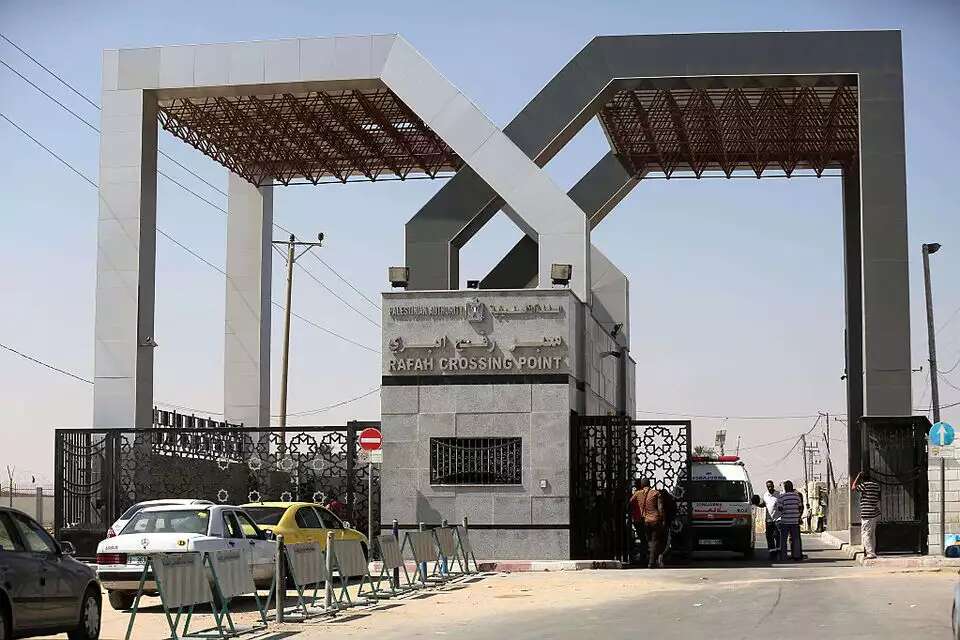
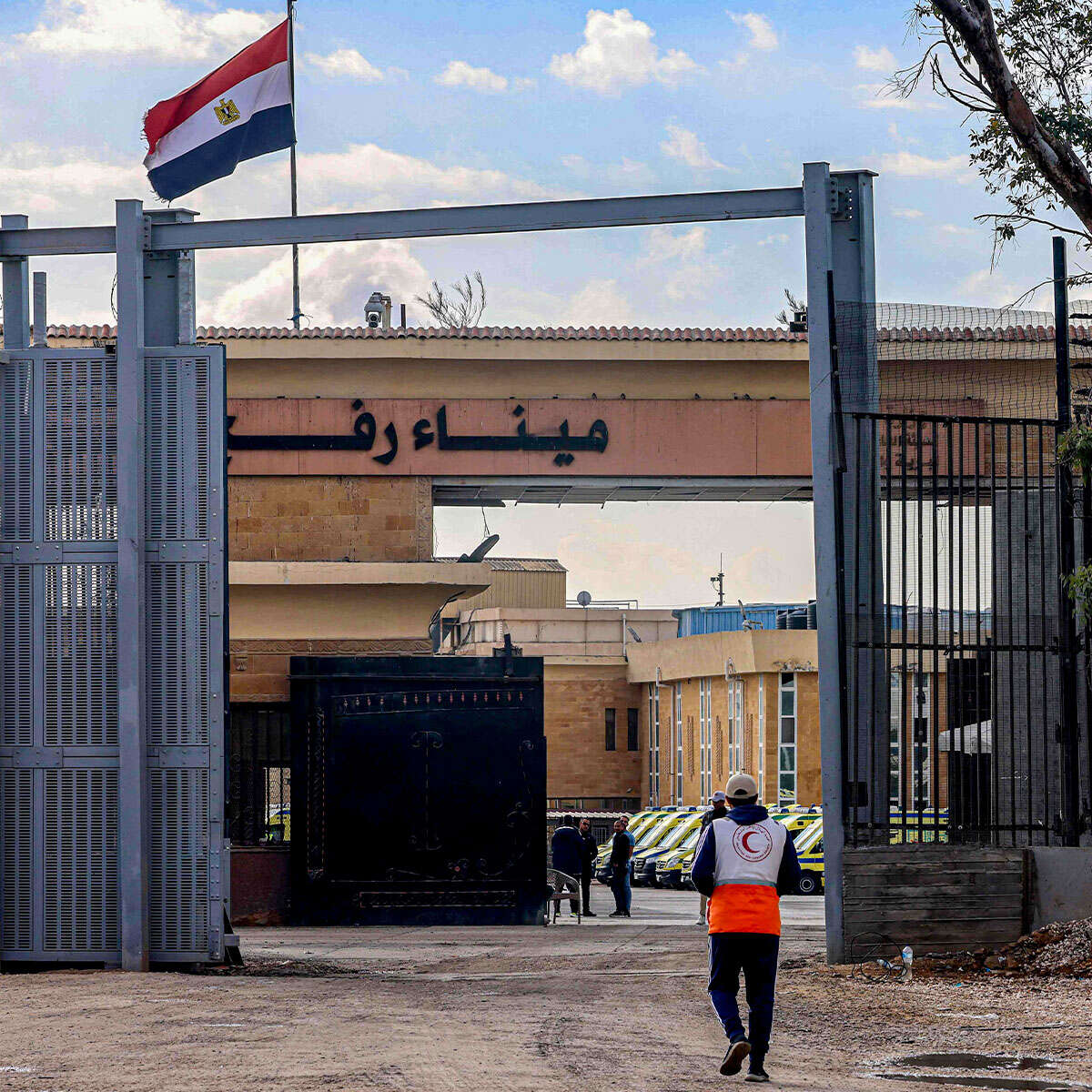
According to the Trump plan and understandings reached with international actors, a European Union monitoring force would operate the crossing, while Israel would oversee it remotely using cameras. Israel Hayom has learned that, as an additional new layer to this mechanism, the IDF is expected to establish another screening point through which all those entering Gaza would be required to pass.
This step follows a demand by the IDF Southern Command to physically inspect, by Israeli forces, everyone entering the Strip and all their belongings, to prevent the smuggling of weapons to Hamas, the terrorist organization controlling Gaza.
To implement this, a secured corridor would be established, requiring all entrants to Gaza from Egypt to move from the European screening point to an additional inspection point operated by the Coordinator of Government Activities in the Territories. There, those entering Gaza and the items they bring with them would be rechecked. Both screening complexes would be located on the Gaza side of the so called blue line, an area fully under Israeli control.
Limiting movement into Gaza
Understandings between the US administration and the Israeli government also stipulate that reopening the Rafah Crossing would not serve as a means to repopulate the Gaza Strip. Accordingly, the flow of people would be managed so that more individuals leave Gaza than enter it.
Assessments indicate that about 150 people would exit to Egypt each day, while roughly one third of that number would be allowed to enter. This arrangement was reached after Egypt insisted that the crossing not operate solely in the outbound direction. In addition, only medical patients and their escorts would be permitted to leave Gaza. It should be noted that last week President Trump reiterated that allowing Gazans to leave would lead to their emigration.