Is the US heading toward a series of strikes in Iran? Over the past 24 hours, American media outlets have published a number os assessments about the feasibility of a US attack on the country, aimed at helping protesters opposing the regime.
According to a report in The New York Times, Trump has not made a final decision on strikes in Iran, despite support for such a move from other senior officials in his administration. The paper also claimed that the US military had asked the president for time to build up forces in the region and plan an operation that would be effective against the Iranian regime.

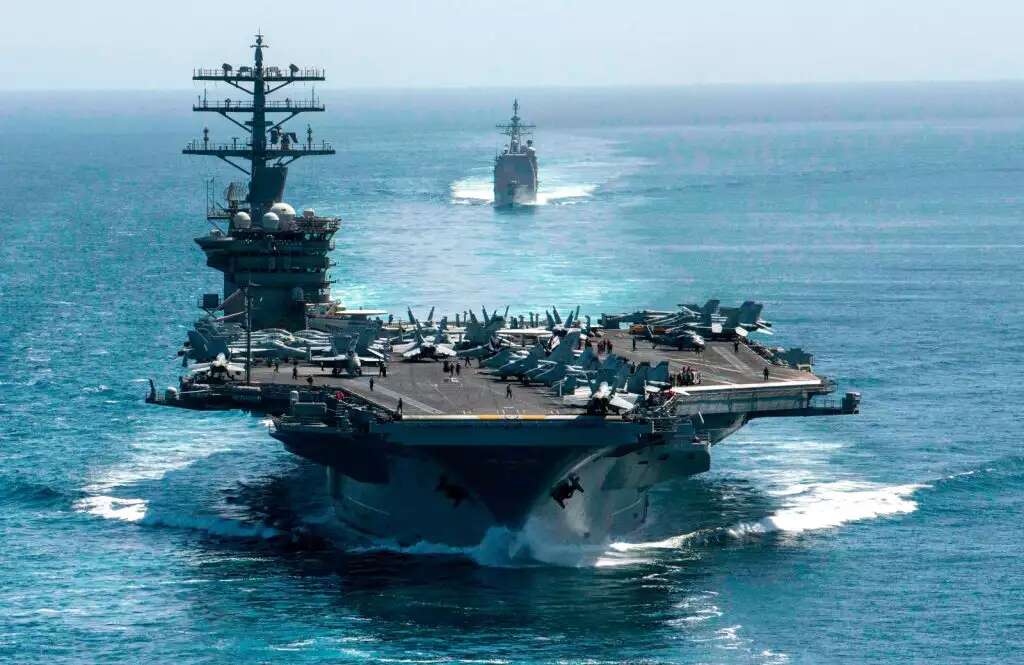
That request is understandable given the dispersal of US forces around the world, with particular emphasis on the US Navy's aircraft carrier fleet. Aircraft carriers, together with their carrier strike groups, are the spearhead of America's military power. Any strike by the US that goes beyond a symbolic blow, or a very limited and tightly targeted action, would require the involvement of at least one carrier strike group.
According to aircraft carrier tracking websites, of the 11 active US Navy aircraft carriers, seven are in the US undergoing various cycles of overhaul, rearming or repairs. Another aircraft carrier is currently in the Caribbean as part of the US deployment against the Venezuelan regime. Three additional carriers are in the Far East, with two in Japan and one in Southeast Asia. So far, there have been no reports of any of them heading toward the Middle East, and even if that were to happen, it would take many days before they arrived.

Even without aircraft carriers in the area, some form of US action against Iran is still possible, using America's large regional bases. The US maintains three bases with a US Air Force presence in the Persian Gulf alone, including its main Middle East base in Qatar. In addition, the US has a further belt of bases in Iraq, Turkey and Jordan. A large number of fighter jets and bombers are permanently stationed in the region, and there have been unconfirmed reports in recent days that the US has reinforced its order of battle at these bases.
It is important to note that the current US military posture in the region is far from ideal, particularly in light of the risk of a broad Iranian retaliatory strike and the possibility that such escalation could spiral into a regional war. This reality limits the nature of any US operation, if it occurs, and undoubtedly factors into Trump's decision-making on the issue.