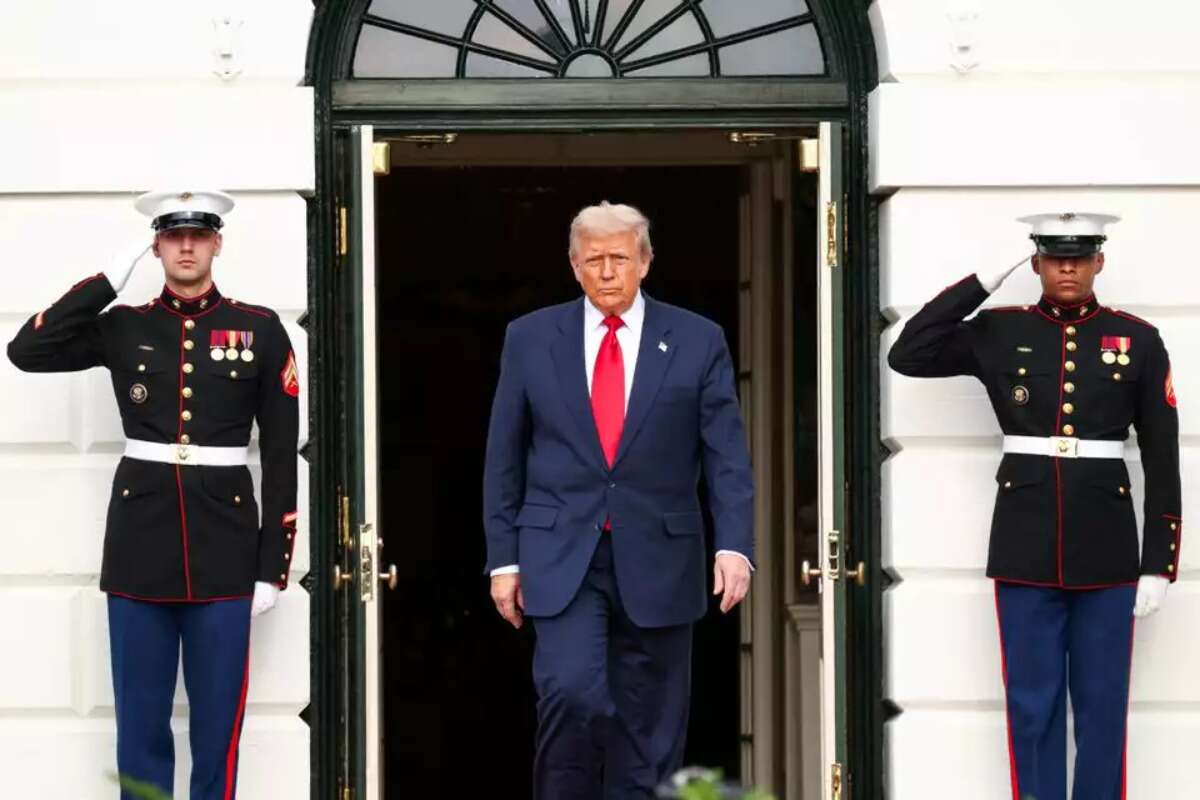
Is President Donald Trump building not only an alternative to the United Nations but also a substitute for the international organization's authority to use force?
According to regional diplomats, several countries that were approached about joining the proposed "Board of Peace" alongside a call to participate in the International Stabilization Force (ISF), were told that both the force and the board would not be limited to maintaining calm in Gaza and securing its reconstruction. Instead, they would take on similar roles in other conflict zones around the world.
The founding document of the "Board of Peace" for the Gaza Strip states in its opening sentence that "the Board of Peace is an international organization whose purpose is to promote stability, restore dependable and lawful governance, and secure enduring peace in areas affected or threatened by conflict."
This goes far beyond Gaza. According to the diplomats, the board's security arm would be the International Stabilization Force originally designated for Gaza. That force, it should be recalled, was intended to assume responsibility for restoring calm in the Strip after an Israel Defense Forces withdrawal, including the disarmament of the Hamas terrorist organization and securing the entry of a new governing authority into Gaza.
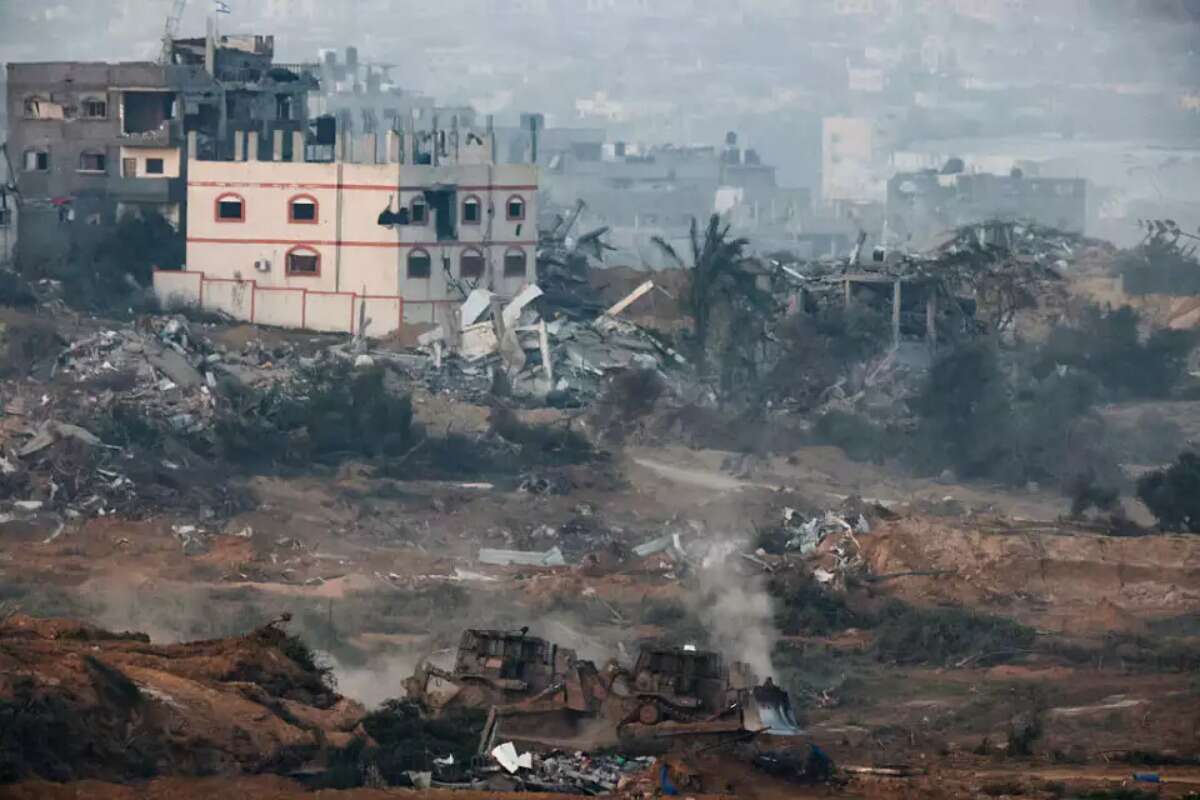
Efforts to establish the force have run into difficulties due to the refusal of the countries that were approached to be the ones confronting Hamas. The diplomats say that in conversations coming from Washington with heads of state in the context of the Board of Peace, it was explicitly stated that the board would address additional conflicts and struggles worldwide. For that purpose, a force with the capability to impose calm and separate rival forces would be required.
Trump is expected to announce the establishment of the Board of Peace and its affiliated bodies at the World Economic Forum in Davos, an event to which dozens of heads of state have been invited. The nature of the invitations, their scope, and the written statement of intent point to the American president's desire to leave a long-term international imprint by creating a body that would effectively compete with the United Nations, one in which he and his American successors would hold sway.
This represents an intriguing interpretation of the isolationist policy advocated by many in the Republican Party, including Vice President JD Vance. An American official explained that an international body under US control could make it unnecessary to deploy American forces to deal with such conflicts, while safeguarding US interests under an international umbrella. He estimated that quite a few countries would join the board, which would serve as a kind of litmus test of their relations with Trump.
At the same time, the American official said that the issue of the international force, given its complexity and sensitivity, is still under review and not yet in actual stages of establishment.