


As Iran remains largely disconnected from the global internet, the regime's crackdown is intensifying. The national police chief has issued protesters with a three-day ultimatum to turn themselves in. The chief executive of the country's second-largest mobile operator was dismissed for refusing to cut internet access. A reformist newspaper has been shut down, and criminal cases have been opened against dozens of athletes, actors and cafes accused of supporting the protests. A human rights organization says it has verified the deaths of more than 4,000 people and is reviewing thousands of additional cases.
NetBlocks, an organization that monitors internet access worldwide, reported that Iran's shutdown has lasted more than a week and a half, leaving over 90 million residents "cut off from the world and unable to contact their loved ones." According to the group, internet traffic data points to an emerging "whitelisting" strategy, under which authorities selectively allow access only to a limited number of approved websites.
Against this backdrop, Iran's official Fars News Agency reported Monday that the chief executive of Irancell, the country's second-largest mobile phone operator, was fired after refusing to comply with orders to disconnect the internet. According to the report, Alireza Rafiei was dismissed eight days after the company declined to carry out what were described as "instructions from the relevant authorities regarding restricting internet access during an emergency." A security source told the agency that legal action against him was expected.
At the same time, Iranian police chief Ahmad Reza Radan warned those who took part in what the regime calls "riots" that they must surrender within three days or face prosecution. He said that "young people who were misled" into joining the protests would be considered "deceived rather than enemy soldiers" and could receive leniency. Those who led the demonstrations, he said, would be prosecuted "to the last one."
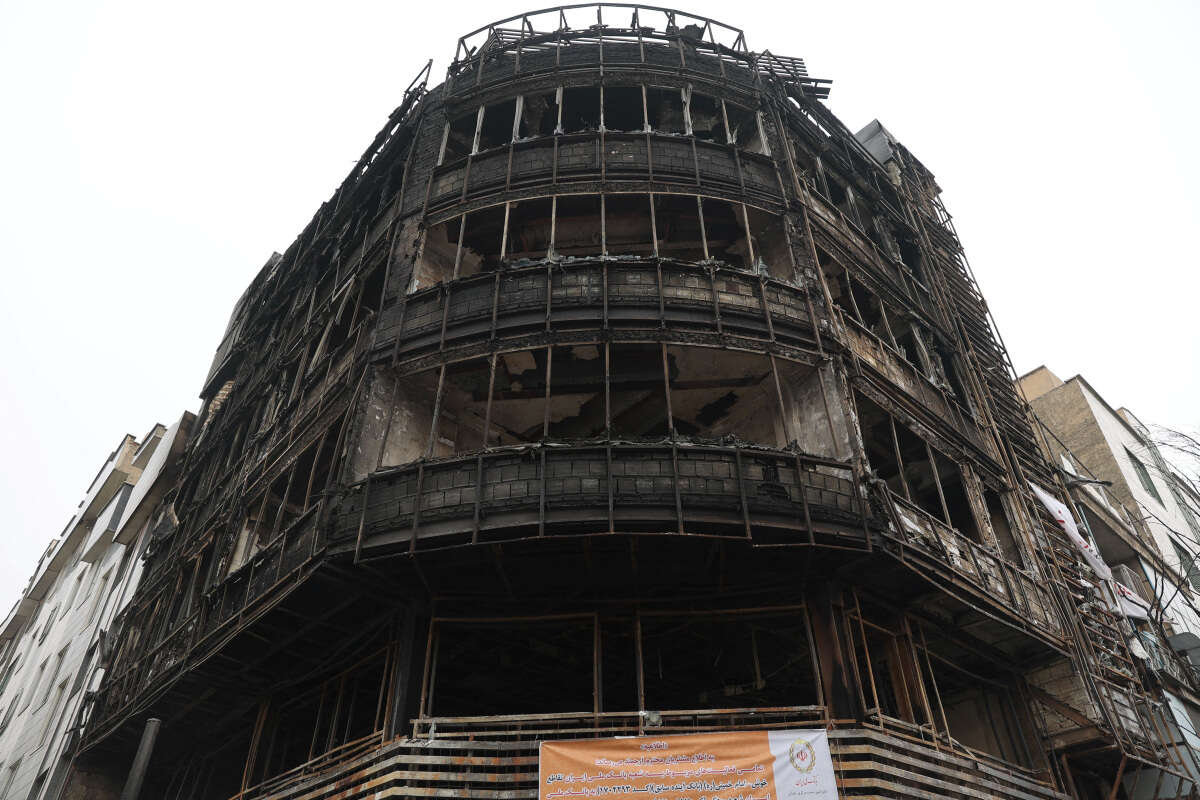
As part of the broader crackdown, Tasnim News Agency, which is affiliated with Iran's Revolutionary Guards, reported that Tehran prosecutors have opened criminal cases against 15 athletes and actors, 10 cultural figures who signed a protest statement by Iran's film industry, and 60 cafes accused of supporting the protests or disseminating calls to demonstrate. According to the report, some of those involved have had assets seized, and courts are considering ordering them to pay compensation for damage caused during the unrest.
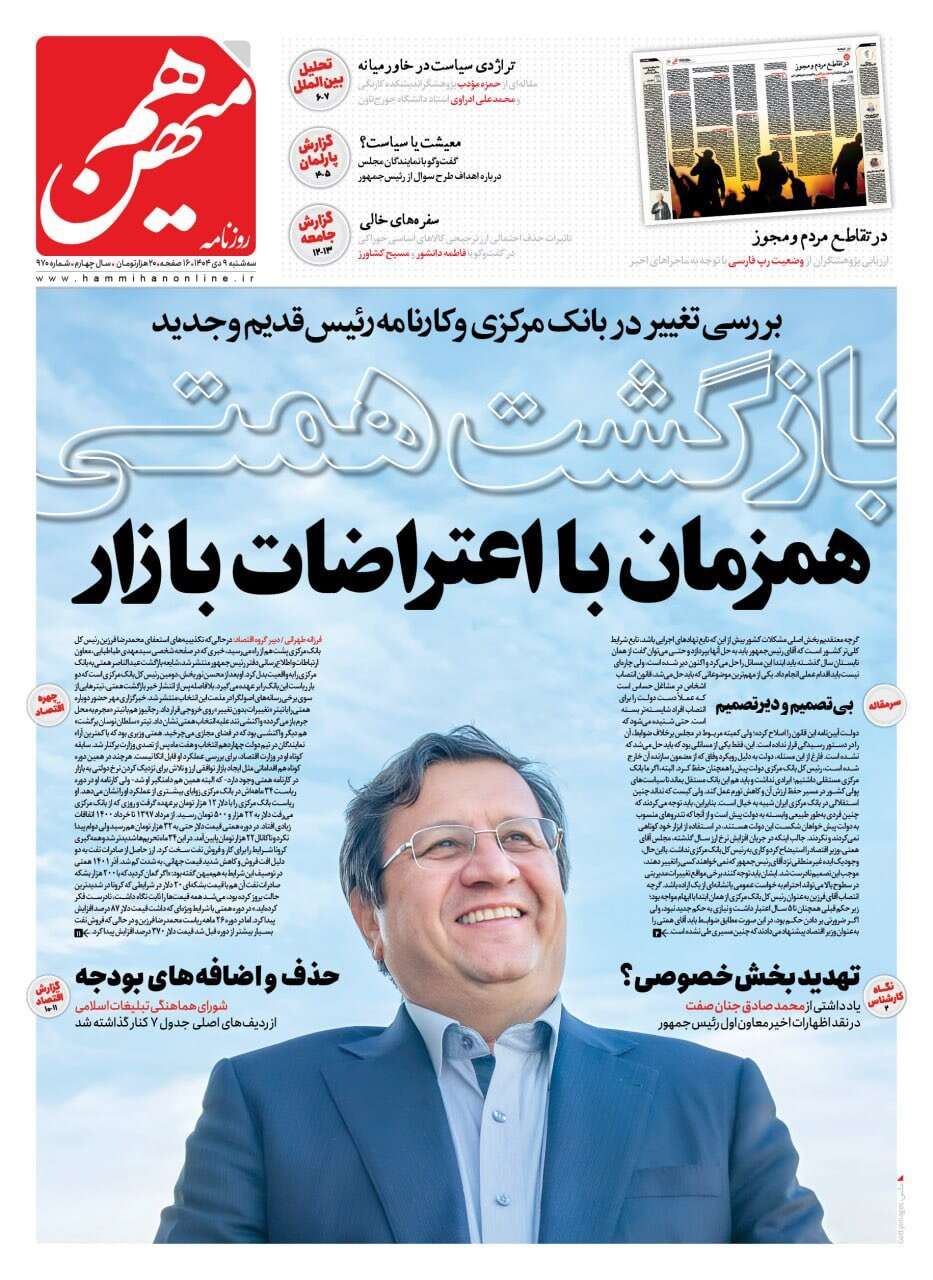
In addition, the reformist newspaper Ham-Mihan was shut down by order of the Press Supervisory Board. Tasnim said the closure stemmed from two recent articles, one that compared the current events to the 1979 Islamic Revolution and another that examined the conduct of hospitals during the protests.
The Human Rights Activists News Agency, known by its acronym HRANA, reported that as of Sunday it had verified the deaths of 4,029 people since the protests erupted and was reviewing roughly 9,000 additional death cases. According to the group, more than 26,000 people have been detained and at least 5,800 seriously injured. The Iranian opposition channel Iran International said last week that about 12,000 people were killed during the protests, while Supreme Leader Ali Khamenei himself has acknowledged that the death toll is in the "thousands," blaming the US and Israel for the bloodshed.


