


Last Wednesday afternoon, something strange happened. Anthropic's new code model, Claude Opus 4.5, was temporarily taken offline due to a glitch - six hours without access. Among developers around the world, a joke resurfaced: "Claude is down. Global tech productivity is cut in half." It's of course an exaggeration, but it touches on a deeper truth. For many developers, Opus 4.5 has quickly become a tool that's very hard to imagine a workday without.
Outside the tech bubble, the general public has hardly heard of the new model, because it's a tool for developers. But within the developer community something entirely different is happening - a strong buzz, almost unprecedented, typically reserved for rare moments of real change.
On social networks and professional forums, developers, entrepreneurs, and senior engineers are talking about a "threshold crossing." "It feels like a moment where AI models have crossed a real usability threshold in software engineering," wrote Greg Brockman, president of OpenAI, on X. Elon Musk went further, simply replying: "We've entered the singularity." A senior Google developer shared how a brief problem description fed to Claude produced, within an hour, a solution for a system her team had been working on for a whole year - and that's according to competitors
Others talked about personal projects completed within days, products that once seemed imaginary, and a general feeling that something deep has shifted.
Real-world revolution
Opus 4.5, launched at the end of November, is a large language model that specializes in code - but not just in writing lines of code. What makes it unique is its ability to perform complex, multi-step tasks almost autonomously: understanding an existing system, planning a solution, writing code, testing it, and going through revisions.
Code, unlike human language, is a formal and deterministic language, with clear rules and relatively unambiguous meanings. That's one reason language models excel at it, and adoption among developers is advancing at a dizzying pace. Within this community, Anthropic has been seen in recent years as particularly leading: its business and technological focus has been on tools for developers and organizations from the start, unlike ChatGPT, which first became a broad consumer product.
Even if most of the public still doesn't write code with models, the implications go far beyond the developer community. Our world is digital, built in layers upon layers of software - from banking apps to healthcare systems, from commerce to transportation. Changing how software is written and maintained ultimately affects all of us.
What Israeli Developers Are Saying
If there's any place in the world to check whether the buzz around Opus 4.5 is hype or a real breakthrough, it's Israeli tech. The local industry relies heavily on software, lives under constant deadline pressure, and in startups often under small-team constraints always trying to "do more with less."
Almost everyone interviewed described a similar shift: less "the model helps me write code" and more "the model is entering the development process itself" - from planning through task breakdown and independently executing large parts of the work.
Ohad Abarbanel, head of development at cybersecurity company MIND, which works daily with Claude, says the new version of Opus 4.5 feels like a few years of programming experience have been added to the model. "If until today the model was at a junior level, today it's already at an intermediate architect level," he says.
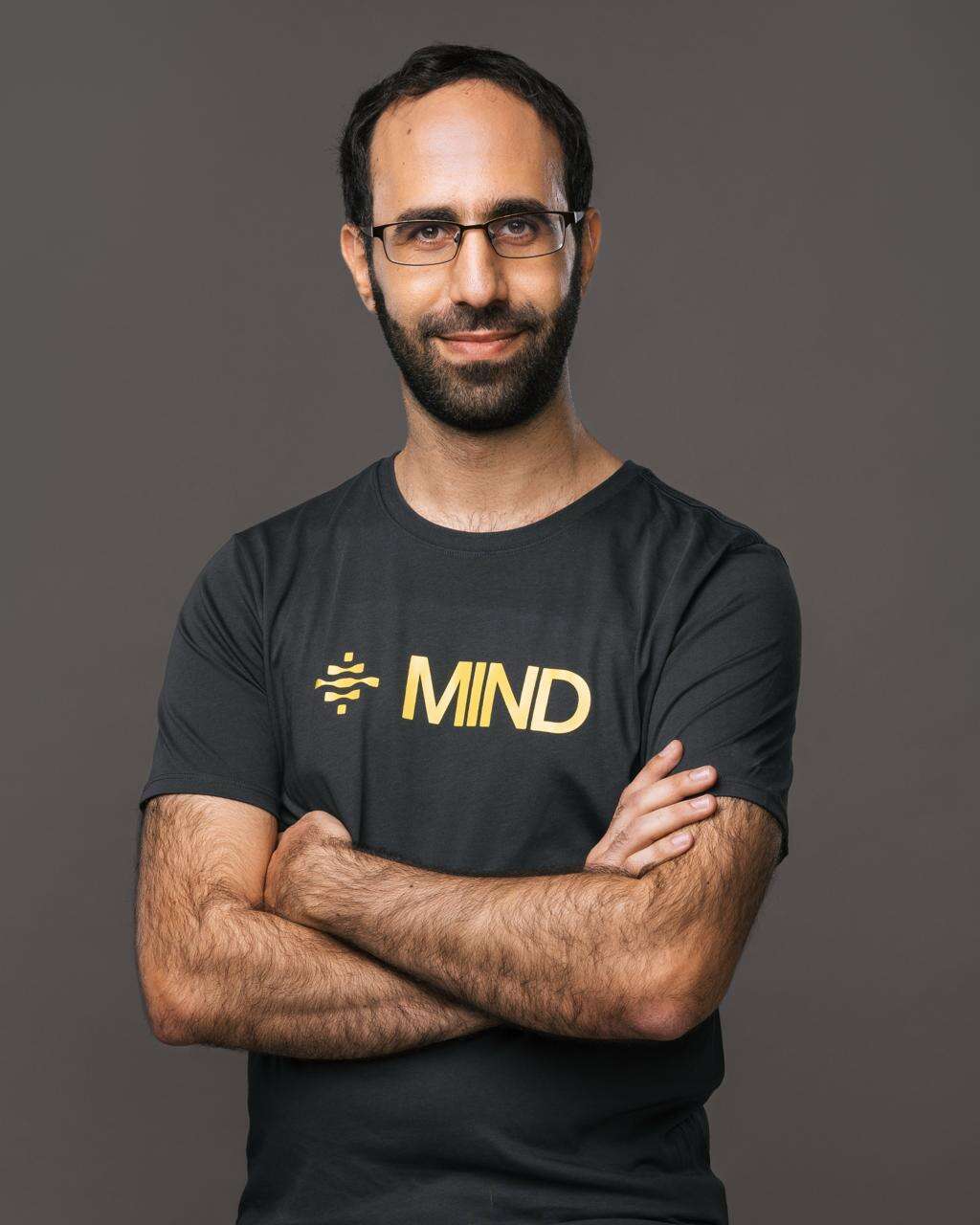
He explains that the model no longer stops at execution. "There used to be many tools that could write code, but the architecture - that is, the decisions, structure, and specification — was the job of the programmer or architect. That was the really complex part." Now, he says, the center of gravity has shifted. "Today the work of an experienced developer is to formulate the problem and high-level instructions, and the model is part of the planning phase too."
This change also alters team dynamics. "We used to need several people to reach a good architecture. Today we can do it with one developer and the model," he says, emphasizing it goes to the heart of the system.
For young startups, AI tools are already integrated into development DNA almost from the start. Yoav Laseman, VP R&D at Prompt Security, founded in 2023 and specializing in AI system protection, puts it simply: "We're AI-Native. Instead of a classic process of writing a specification and then code, we go to the model and it does both planning and code. In practice, we write more prompts than code."
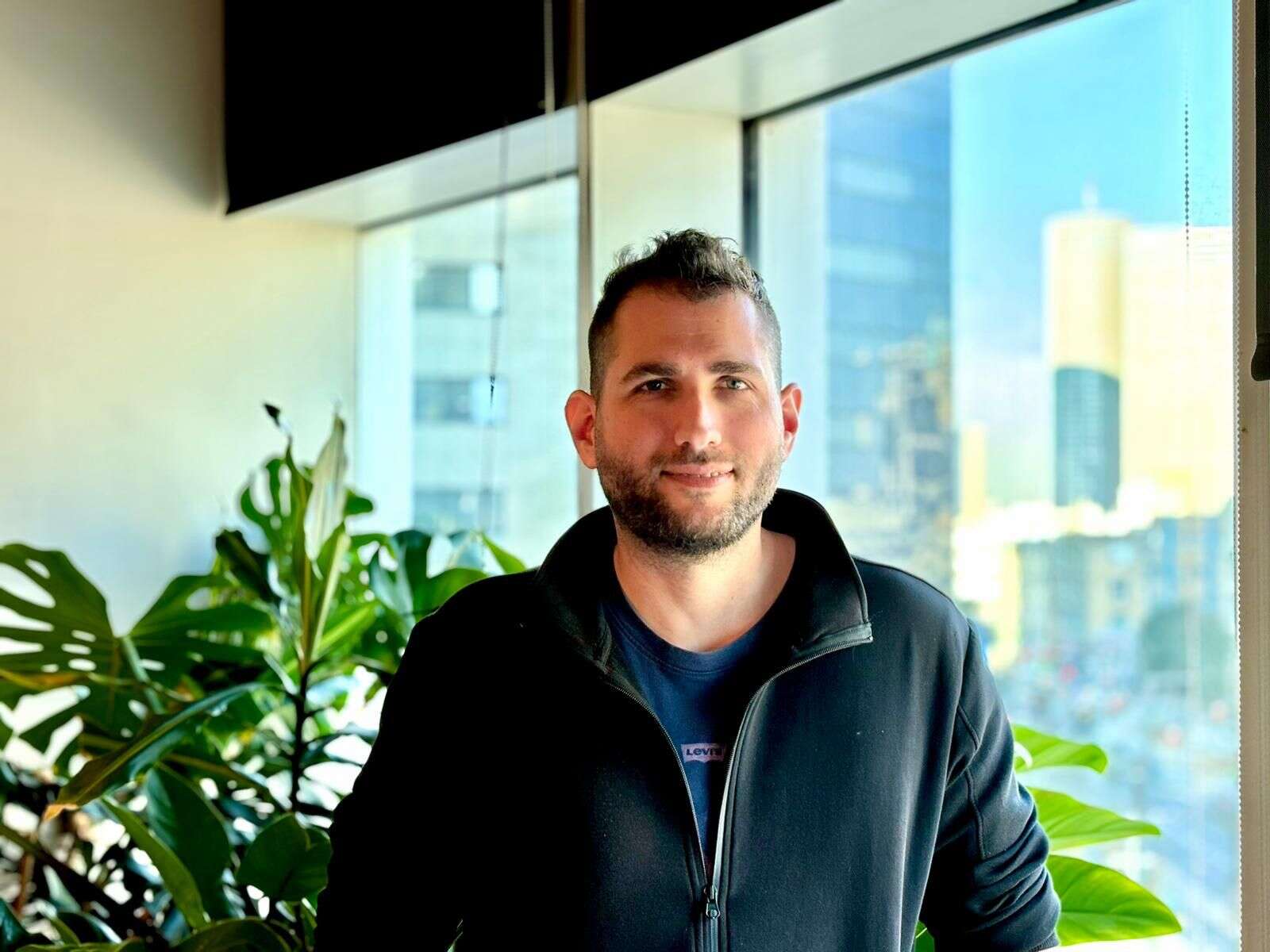
Laseman explains the deep advantage of such models in software: "Code is mathematical and deterministic, which is why these tools work so strongly in it." He says that the integration of agents allows developers to handle more tasks simultaneously, and the impact on work pace is clear. "For us it doubled productivity," he states.
Nick Kaplan, head of DevOps at auto-tech company Fullpath, describes Opus 4.5 as a complete work engine. "It feels like the breakthrough we've all been waiting for," he says. In DevOps worlds - including dealing with infrastructure issues, log analysis, and bottleneck detection - Kaplan points to three abilities that distinguish the model: a large context window that lets it "see" an entire system, the ability to break down complex tasks into orderly stages and execute them in sequence, and a self-testing and self-improvement mechanism during work.
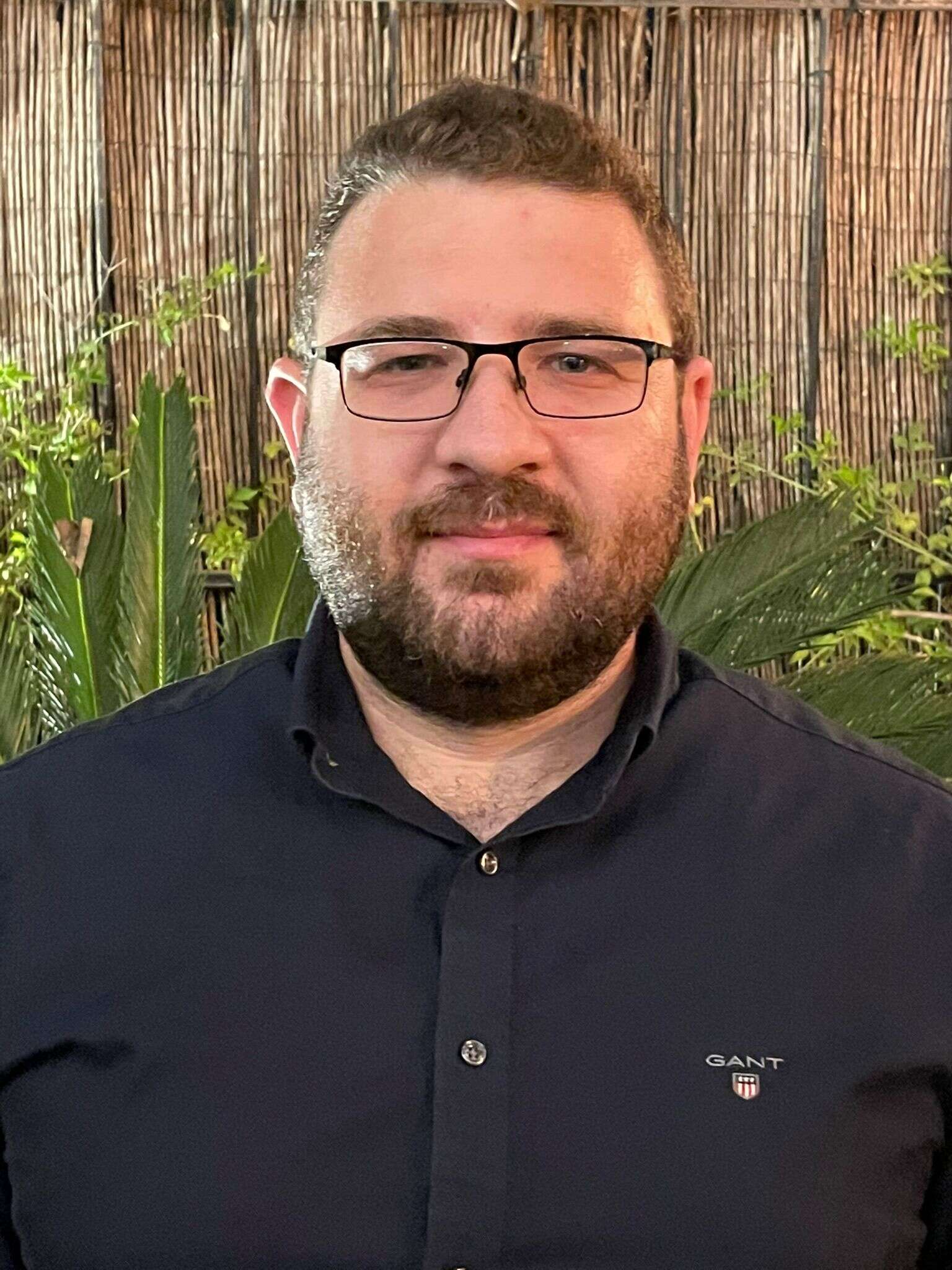
For startups where every hour of team time is precious, the tool is seen not just as a time-saver but as a change in the entire development cycle. Dor Bar, head of development at Stigg, which provides monetization solutions for SaaS companies, describes the model as "a partner in the process." "If we used to break down a task, write a specification, then develop, today we have a partner doing it with us," he says. "The synergy between the model and the developer creates a better product in less time."
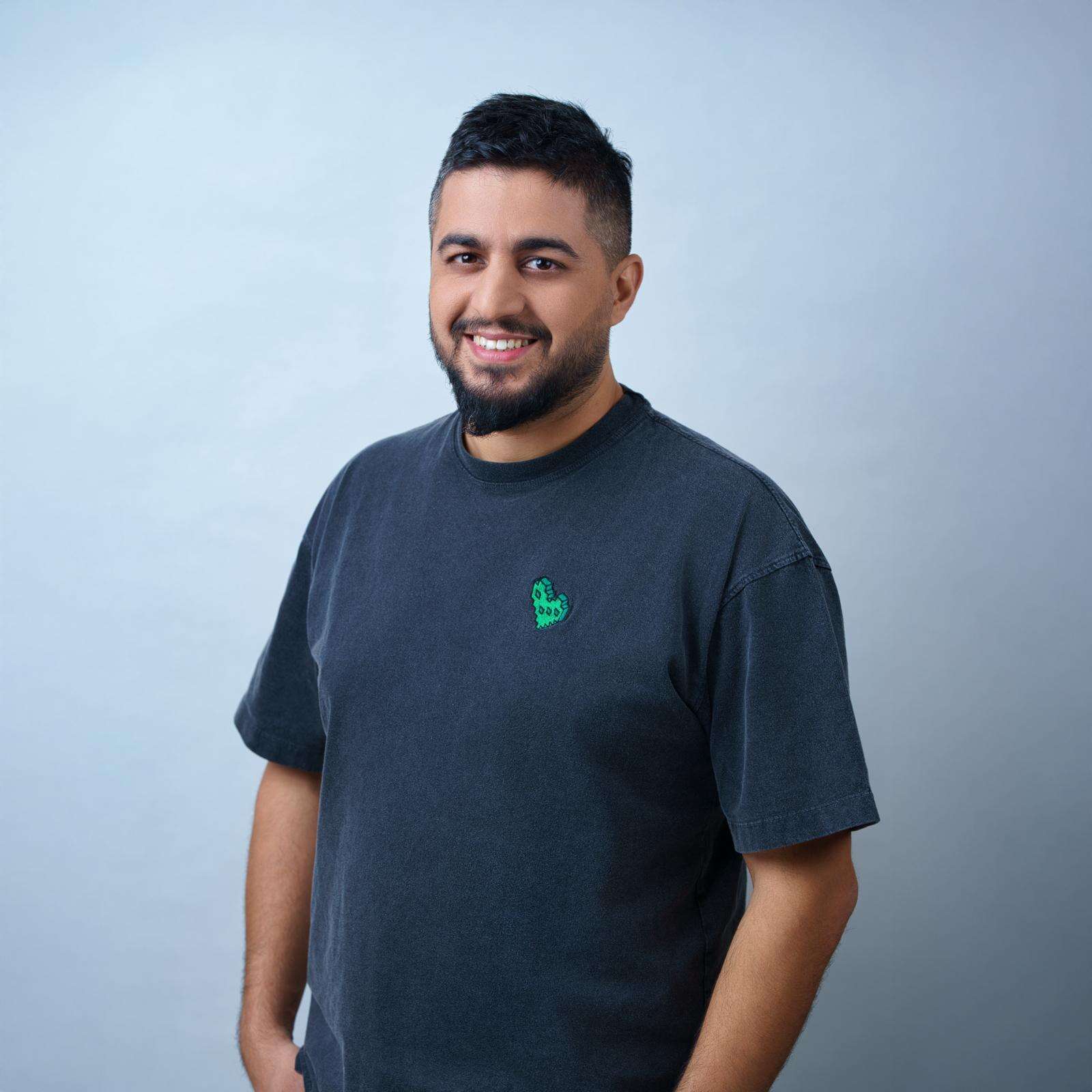
Yahav Meyuhas, a backend developer at Zero Networks, a cybersecurity company specializing in enterprise network protection, who entered the workforce about a year before ChatGPT launched, describes how much work has changed in a short time. "Today I don't leave without a model," he says. "I give Claude the task, it builds a plan, researches on its own, writes - and I go and fix." In his view, that's the definition of an agent: "It knows how to search on its own, both in code repositories and on my computer."
However, he also points out a cost: "The fun part of sitting and writing code and getting into the zone has almost disappeared," and adds that the model sometimes becomes too mission-driven, aggressive in changes, and doesn't always know when to stop. These issues also arise for others, mainly around the need for oversight and guidance.
Fullpath's Kaplan puts that tension well. "We work in a controlled way, with access limits," he says. "We wouldn't want it to delete our databases because it thinks they're unnecessary." "With great power comes great responsibility," he sums up.

Between hype and reality, Shay Friedman, CTO at CodeValue, frames the breakthrough of Opus 4.5 not through superlatives but through how the model actually performs in real work. "Yes, broadly," he says when asked if it's a real leap, but is quick to clarify that raw numbers don't tell the whole story. "The numbers aren't the main thing. The real change is the ability to work on long, complex tasks without 'getting lost.'"
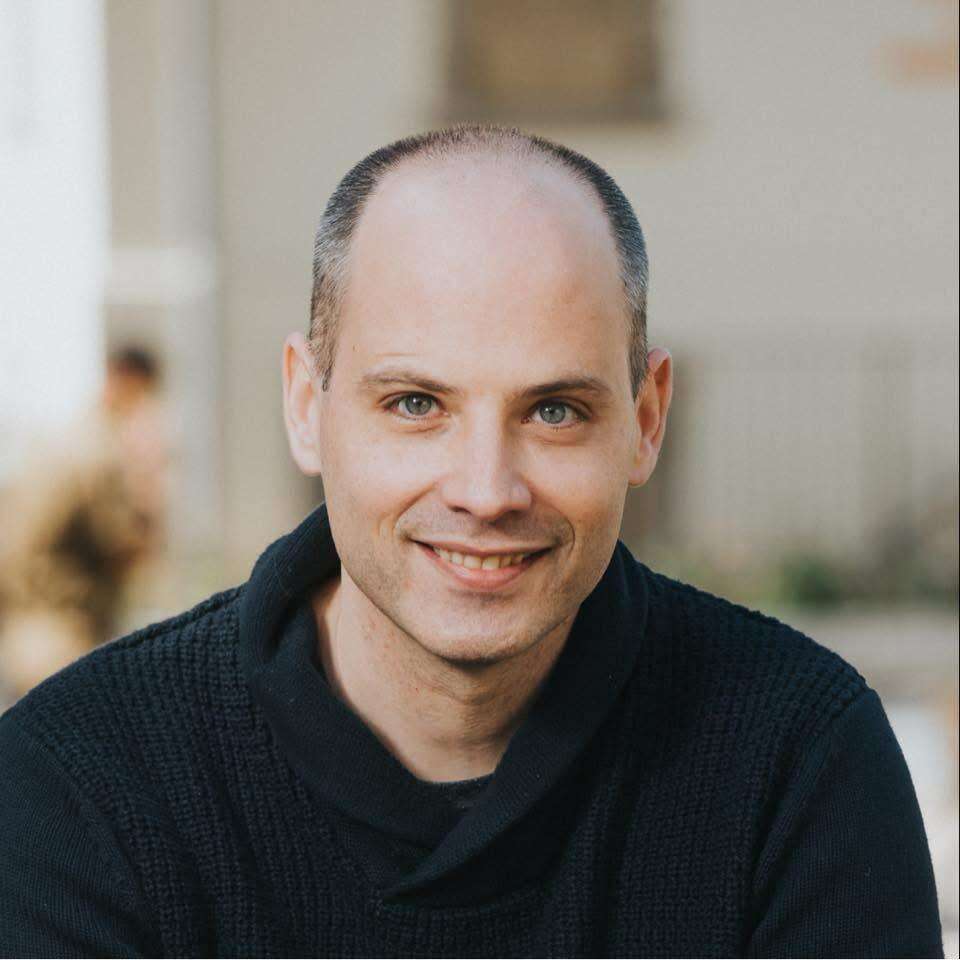
He says the difference between a model that shines in demos and one that can be integrated into a real development process is exactly that: previous models tended to get tangled when the task grew - like a worker who starts strong but loses focus after an hour. Opus 4.5 maintains coherence over hours of continuous work.
As CTO of CodeValue, Friedman connects this picture to a deeper shift in the role of the programmer. "With every tech leap, we moved to a higher 'language' - farther from the machine and closer to how we think," he says. "This current leap continues that line: programming language is becoming a natural language. I describe what I want the system to do, and the tool translates it into code."
The junior paradox
Meir Davis, CTO at AGAT, describes a similar shift: "The new programming language is a free language, mainly English. The model doesn't read minds - you have to know how to formulate." As someone who also interviews candidates and makes hiring decisions, he adds that the change is already noticeable at the entry point to the field. "We used to test if a candidate knew a certain language. Today we test if they know how to develop with AI." Accordingly, even acceptance tests are changing: "We give tasks that can only be solved with the help of AI."
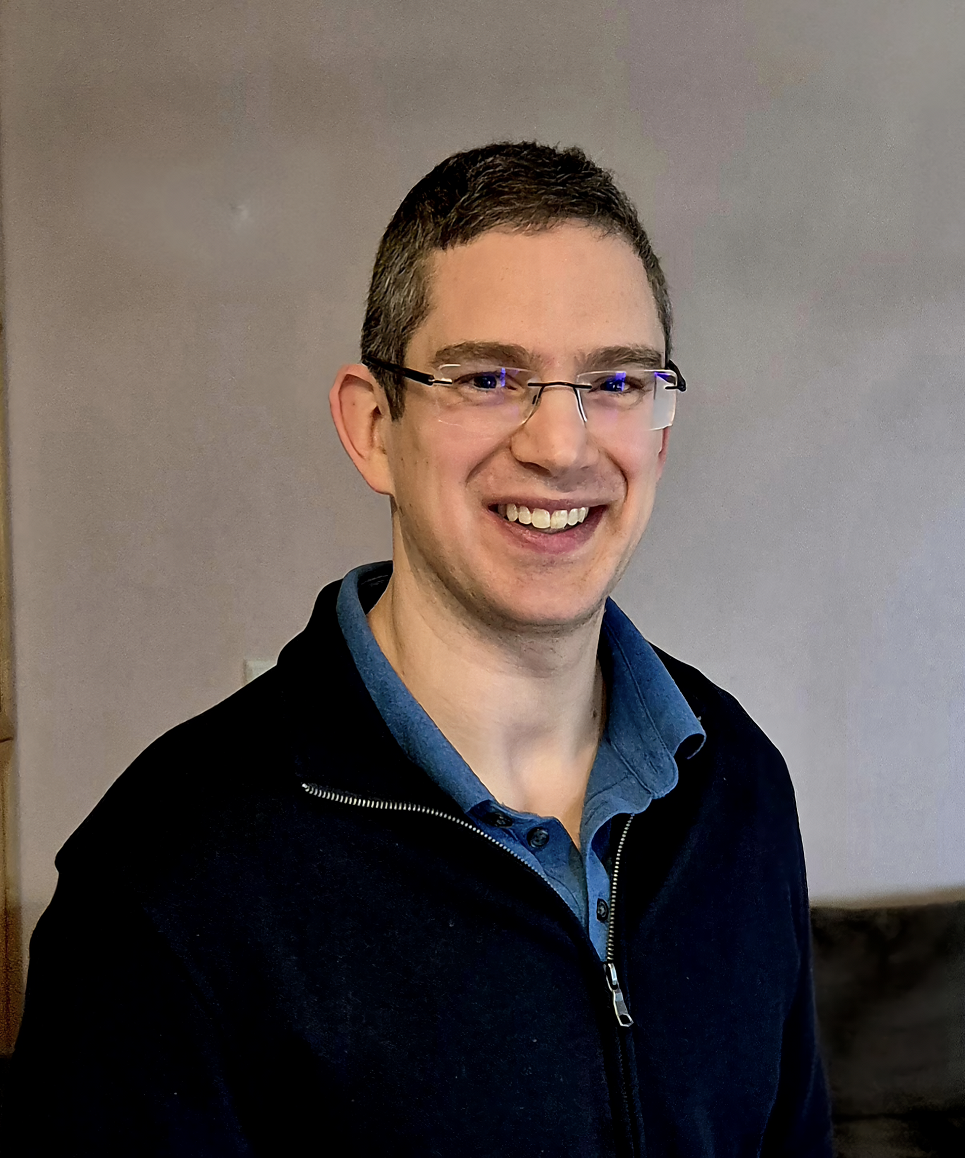
Yahav Meyuhas of Zero Networks and Dor Bar of Stigg emphasize that you cannot dismiss juniors. "The important knowledge is understanding the product," says Muyass. Bar adds: "There's a shift from emphasizing technical knowledge to emphasizing value and output. Those who learn to use the tools and extract value will find work."
According to Davis, the real requirement from a new junior is captured in one sentence: "They must know the AI tools, and at the moment of truth - know how to fix them." In other words, even if the writing itself is automated, human responsibility remains.
Abarbanel from MIND sums up working with the new tool well: "The right thing is always to embrace the new tools to improve what I do. And still, there's a lot of value in experience, creativity, and our complex human thinking."


