

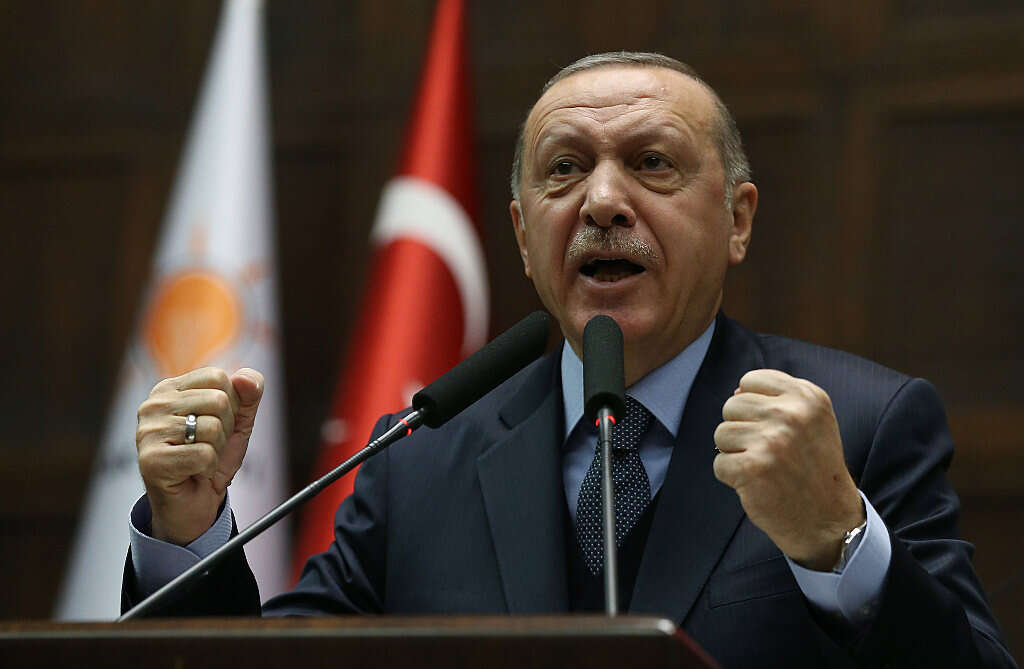
After weeks of seizing Kurdish-held territory, Syrian President Ahmed al-Sharaa has fulfilled the sweet dream of Turkey's ruler. Recep Tayyip Erdogan could not have hoped for a better scenario. His ambition to push the Kurds into Syria's far northeast has been realized beyond expectations.
From his perspective, that area poses only a minimal threat to Turkey's borders, where he has long feared a linkage between Syrian Kurds and the Kurdish minority inside Turkey. Accordingly, he welcomed the "ceasefire" between the Syrian state and the Kurdish militias. "We feel great satisfaction at the agreement that has been reached and hope this issue will be resolved permanently without further bloodshed," the Turkish president said disingenuously. It is no coincidence that Kurdish officials suspect Ankara is behind Damascus' deadly move.
What began as an assault on Kurdish enclaves in the city of Aleppo evolved into a coordinated blitz. Each time, al-Sharaa's forces struck another stronghold along the western bank of the Euphrates River, alternating between threats and offers of a ceasefire in exchange for withdrawal. Each time, the Kurds believed Damascus' ambitions had reached their limit, only to discover that the appetite was growing.

An opportunity to revolt
At the height of events, the Syrian president delivered a speech announcing a series of gestures toward the Kurdish minority, including recognition of the Kurdish language, recognition of the spring festival, repeal of discriminatory laws, granting of citizenship and more. This was another step aimed at undermining unity on the opposing side and encouraging defections. At the same time, Arab tribes in Kurdish territories identified an opportunity to align with Damascus and launched an uprising.
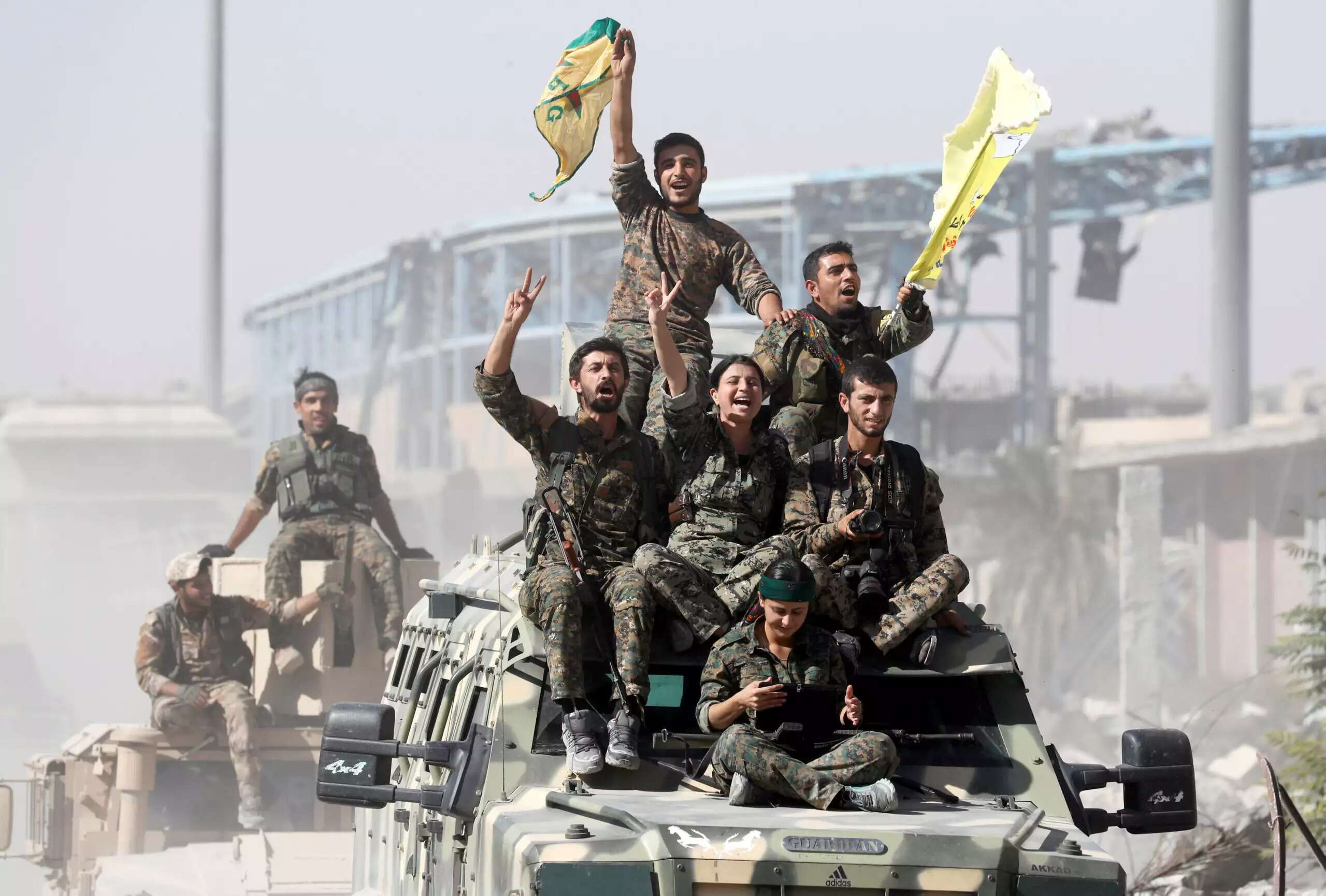
The result was that the Kurdish militias, led by the Syrian Democratic Forces, lost operational control in the Deir ez-Zor and Raqqa provinces, through which the Euphrates flows.
In addition, the Islamist government gained control of four strategic oil and gas fields, including al-Omar and Conoco. Kurdish leaders were forced, against their will, to continue withdrawing and concentrate their forces in Hasakah province. Beyond that, reports were leaked of various offers made to SDF commander Mazloum Abdi that weakened his standing.
From the Kurdish perspective, he was portrayed as a weak leader begging for scraps of authority. From the international community's perspective, he was depicted as someone refusing the compromises al-Sharaa had offered him. Moreover, in the past 24 hours there have been reports of clashes between government forces in Hasakah province and in the area of the city of Kobani, both distinctly Kurdish regions.
The Kurdish leadership in Syria feels betrayed above all by the Americans. The US envoy to Syria, Tom Barrack, articulated the knife that was plunged into their backs. In a long and winding post, Barrack explained that despite cooperation with the Kurds, who proved themselves in the fight to defeat Islamic State, the situation had fundamentally changed.
"Syria has a recognized central government within the coalition to defeat Islamic State. The original purpose of the SDF as the main ground force against Islamic State has lost its validity. Damascus is now ready to assume security responsibilities, including control of facilities and camps holding Islamic State detainees." In other words, the Kurdish militias have done their job and can now go. The Kurds, who fought the rise of one of the most brutal terrorist organizations the world has seen, were abandoned at the moment of truth.
Yet the Trump administration may discover it has opened a Pandora's box. A US official estimated this week that about 200 Islamic State prisoners managed to escape from detention facilities guarded by Kurdish forces. According to the Damascus government, only several dozen have been recaptured. These terrorists could contribute to further assassination attempts against Ahmed al-Sharaa, the Syrian president who has become their nemesis, not to mention a return to planning attacks abroad. By abandoning the Kurds, the Americans have opened the door to increased risks for the central government they now support, even if that government itself is playing a double game and allowing Islamist elements that back it to operate freely and build power.
Israeli intervention
Senior Kurdish figures have expressed hope in recent days for intervention by Israel as well. A senior Kurdish offical told foreign reporters that such a channel of communication does exist and that they are open to support from any actor. However, as a volunteer in eastern Syria told his Kurdish interlocutors, Israel may be a regional power, but it is not a superhero.
It cannot save every minority in the Middle East facing an existential threat. Moreover, the Kurds themselves have not shown decisiveness regarding relations with the State of Israel or about their future in Syria. Within the minority there are deep disagreements over ties with Jerusalem and over the question of autonomy. In any case, unlike the Druze in Suwayda, Israel's ability to assist them is extremely limited.


