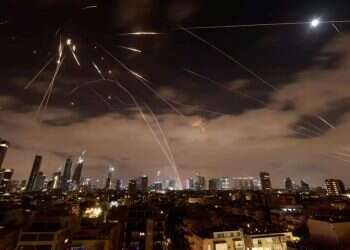
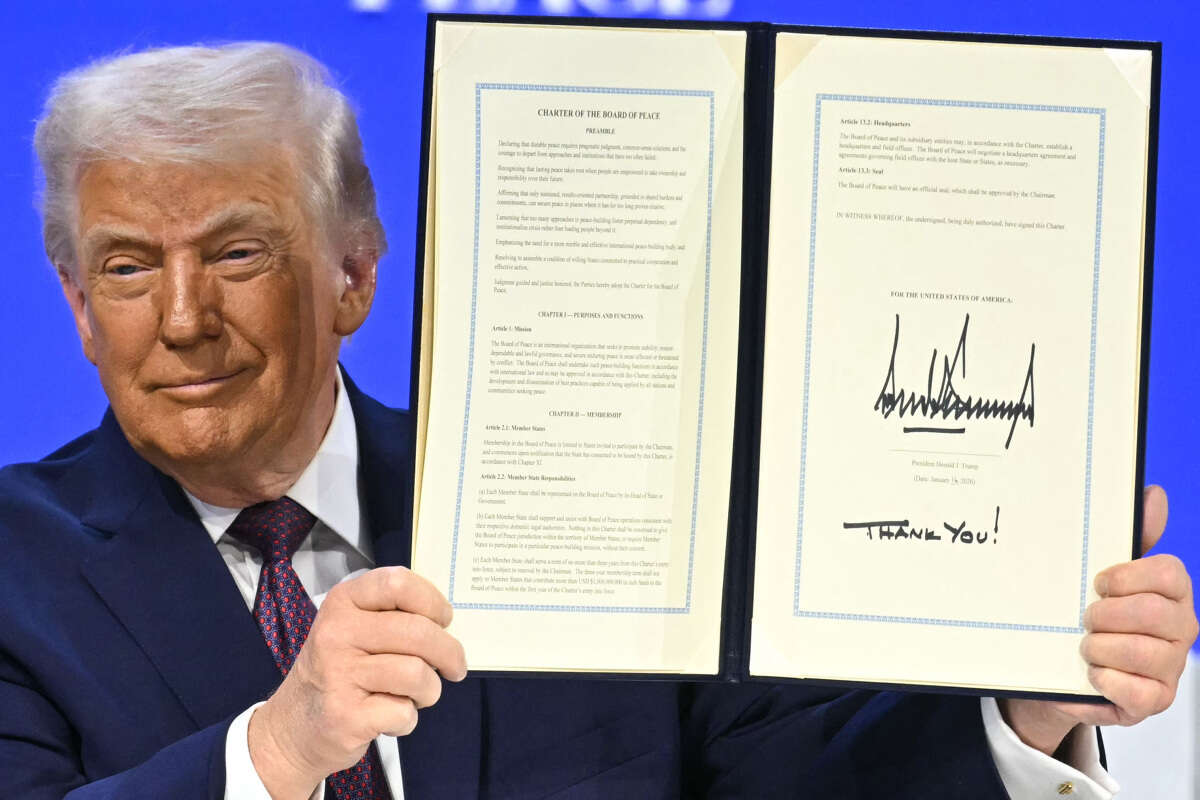
With the return of the final hostage, Ran Gvili, Phase Two of President Donald Trump's plan to end the war has begun. It is, however, the most complex and obstacle-ridden. The main hurdle is Hamas' refusal to disarm and demilitarize the Gaza Strip. That refusal has been voiced repeatedly, and from Israel's perspective it means that all other points tied to Phase Two cannot be implemented.
Prime Minister Benjamin Netanyahu spelled this out explicitly in a speech to the Knesset, saying that Phase Two means the dismantling of Hamas' military capabilities and the demilitarization of Gaza, not the rehabilitation of the Strip.

The Americans are expected to try to work around this resistance, at least when it comes to physical reconstruction and the launch of a new civilian administration. This approach has sparked significant disagreements between Jerusalem and Trump's envoys. According to current assessments, an international conference on Gaza's reconstruction will be announced within two weeks. At the same time, contacts are continuing between Hamas leaders and the countries involved in the reconstruction plan, Egypt, Turkey and Qatar, alongside direct communication between Hamas and the team of special envoy Steve Witkoff.
US officials have denied reports of understandings on disarmament, and it remains difficult to see how Trump's promise to dismantle Hamas' arsenal could be achieved through diplomacy alone. One possible catalyst would be developments on Iran that significantly weaken, or even topple, the ayatollah regime.
Disarming Hamas is indeed a central piller in Trump's 20-point plan, which also includes the expulsion of senior figures from the terrorist organization, except for those who formally renounce terrorism. Another key step is the opening of the Rafah crossing for civilian passage, expected to take place on Thursday. This move effectively marks the end of Phase One, in line with the clause mandating the return of all hostages under the agreement signed with Hamas in October.
A senior American official told Israel Hayom: "With the return of the last hostage, the immensely important mission of bringing home all the hostages from October 7 has been completed. Another step has been taken toward removing the threat to the State of Israel from the Gaza Strip, a process that must be completed by dismantling Hamas' weapons. Trump's plan is crystal clear. Hamas must hand over all its weapons, expose all tunnels and relinquish power. That is the condition for Gaza's rehabilitation. There are contacts on the matter, and we are working in coordination with Israel and the mediators to achieve these goals."
Phase two includes several points:
Technocratic governance (NCAG): The "National Committee for the Administration of the Gaza Strip," whose establishment was announced last week, is a body of 15 Palestinians ostensibly unaffiliated with political factions, headed by Dr. Ali Shaat. In practice, Shaat and more than half the committee members previously served as officials in the Palestinian Authority and are identified with Fatah, the movement led by Palestinian Authority President Mahmoud Abbas.
The committee is tasked with managing day-to-day life and rehabilitating civilian institutions under the supervision of a "Board of Peace" chaired by Trump, alongside an advisory body headed by Bulgarian diplomat Nikolay Mladenov. Hamas is demanding that officials who served under its rule since it seized control of Gaza nearly 20 years ago be incorporated into the new administration.
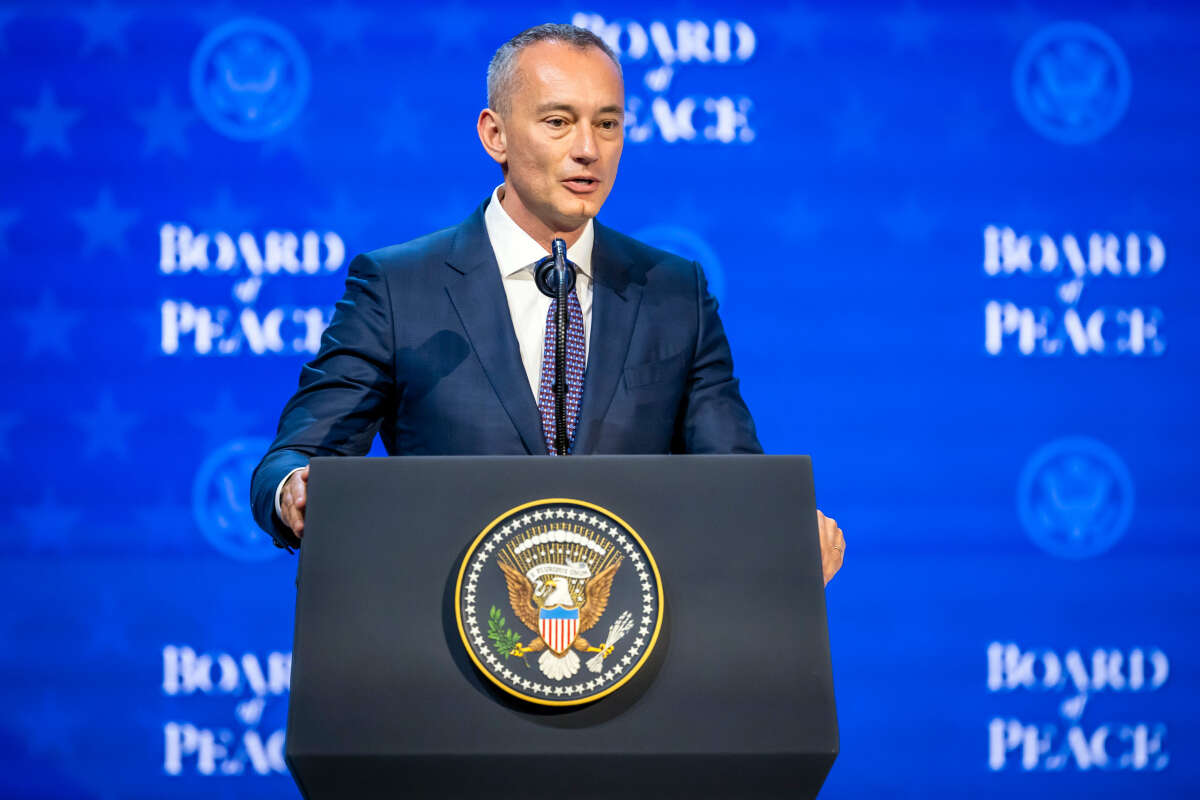
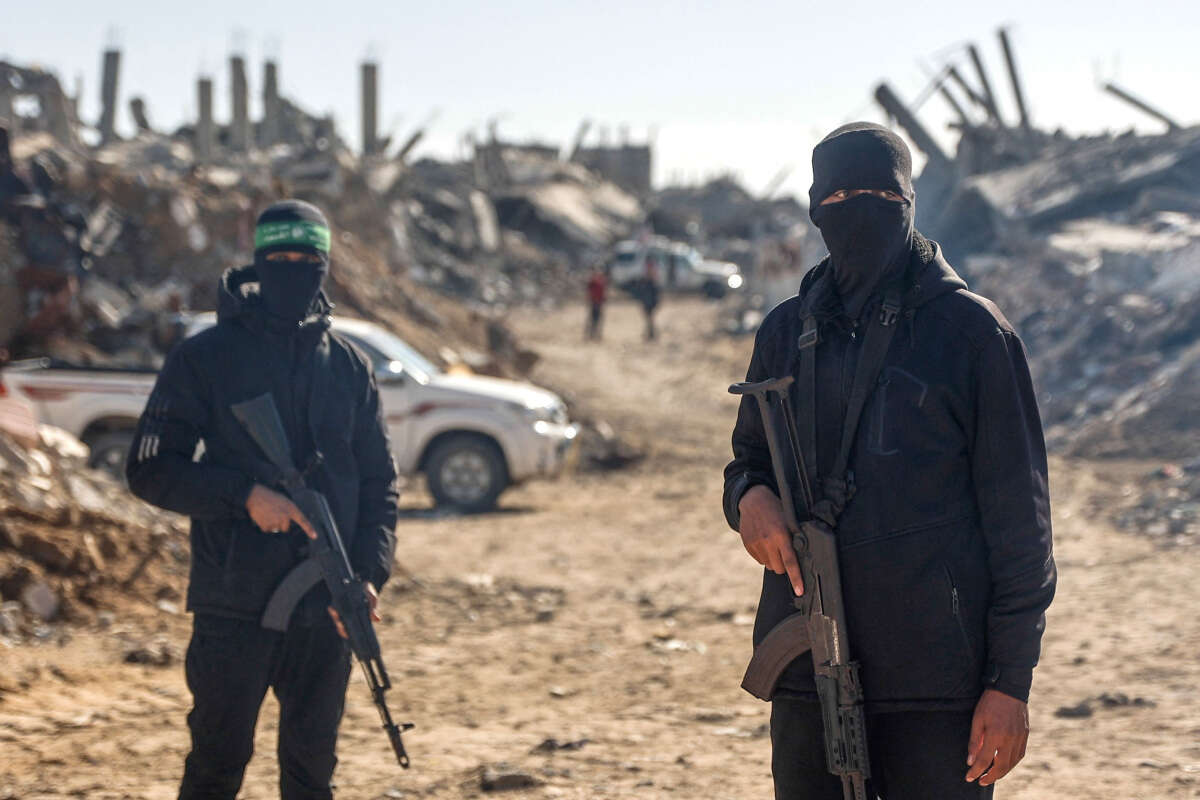
Full demilitarization: A demand to disarm Hamas and other armed groups and destroy military infrastructure such as tunnels. Trump has warned that if Hamas does not disarm, it will be "destroyed quickly," explicitly granting Israel public backing to do so. Hamas' leadership is split on the issue. Most oppose disarmament, while others, including Khaled Mashal, are willing to consider it under conditions.
Israel Hayom has previously reported some of Hamas' demands, including immunity for senior leaders, allowing security units to remain to protect figures who stay in Gaza, and integrating Hamas fighters into new security forces. The Palestinian Authority also opposes these conditions.
Deployment of an international force: The plan calls for an International Stabilization Force to secure Gaza and train vetted Palestinian police units. In practice, no country other than Turkey has expressed willingness to join such a force before Hamas is disarmed. Israel opposes the deployment of Turkish troops.
The only force currently available consists of several hundred Palestinians trained by Egypt, many of whom are effectively security personnel linked to the Palestinian Authority.
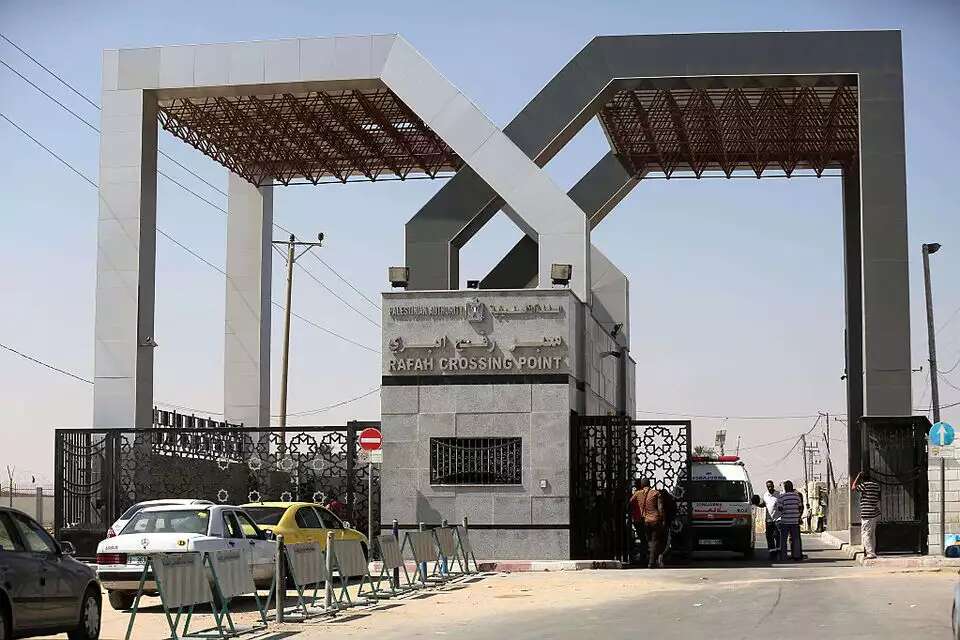
Opening of the Rafah crossing: The crossing is expected to reopen on Thursday as a humanitarian lifeline, under a complex arrangement involving a European monitoring force stationed at the crossing itself, alongside Palestinian officials from Gaza approved by Israel.
According to Arab sources, at least some of these officials previously served under the Palestinian Authority. On the Egyptian side, some of the Palestinian security personnel trained by Egypt are also expected to be deployed. Israel will monitor activity at the crossing via cameras, and the access routes on the Gaza side remain under IDF control. For now, passage is limited strictly to humanitarian cases such as wounded and sick civilians.
Israeli withdrawal: At the end of this phase, and after Hamas is disarmed, an additional withdrawal of IDF units is envisioned, leaving Israeli troops along a perimeter roughly one kilometer wide inside the Gaza border, while maintaining full control of the Philadelphi Corridor along the Egypt-Gaza border to the sea.
At present, such a withdrawal appears distant. In practice, the IDF has deepened its hold along the yellow line and established bases there to reinforce control.

Start of physical reconstruction: The launch of the "New Gaza" program envisions clearing approximately 60 million tons of rubble and building housing, industrial zones and tourism areas. The somewhat fanciful plan was presented last week in Davos by senior adviser Jared Kushner, but it too is contingent on Hamas' disarmament.
The interim compromise allows for clearing major routes and unsafe buildings across Gaza, as well as establishing a massive humanitarian complex on the ruins of Rafah, where displaced residents from at least one clan are currently located. Temporary school buildings have already been erected there, with additional infrastructure facilities now under construction, including water, sewage, electricity and communications systems.