


President Donald Trump has received a series of intelligence briefings indicating that the Iranian government's authority is deteriorating rapidly, according to sources familiar with the matter cited by The New York Times. The assessments suggest that the regime's hold on power has degraded to its lowest point since the shah was deposed during the 1979 Islamic Revolution. Protests that erupted late last year reportedly destabilized elements of the leadership, infiltrating areas previously considered secure strongholds for Supreme Leader Ayatollah Ali Khamenei.
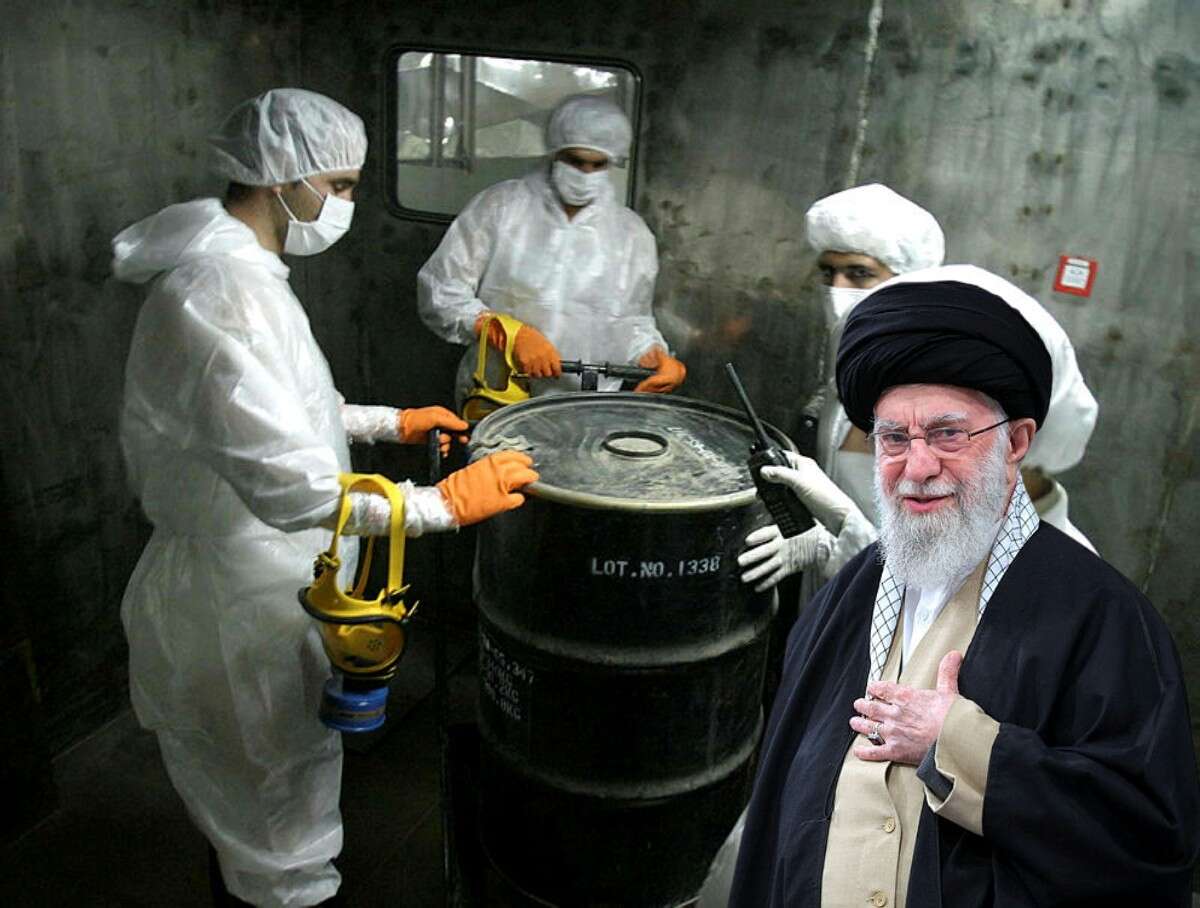
Although the street-level unrest has reportedly subsided, the government remains in a perilous position. Intelligence reports referenced by The New York Times highlight that, in addition to social upheaval, Iran's economy is suffering from historic weakness. Economic hardship ignited sporadic demonstrations in late December, and as these expanded in January, Tehran found itself with few options to alleviate the financial strain. Officials resorted to a heavy-handed crackdown, which the report claims further alienated vast swaths of the population.
While the US military has amassed forces in the region, The New York Times noted that the specific actions under consideration by the Trump administration remain unclear. "President Trump is consistently briefed on intelligence matters around the world," White House Press Secretary Karoline Leavitt told the outlet. "It would be a dereliction of duty as commander in chief if he were not regularly briefed on these matters. With respect to Iran, President Trump continues to closely monitor the situation."
Trump previously warned that he might strike Iran as the bloody suppression of protests widened, according to The New York Times. However, his advisers have reportedly been divided on the strategic value of strikes, particularly if they were limited to symbolic targets linked to the crackdown. The president reportedly appeared to back down from immediate action after Tehran cancelled a planned execution. Additionally, Prime Minister Benjamin Netanyahu reportedly asked Trump to postpone an attack, a senior US official told the outlet.
Nevertheless, a broader campaign may appeal to Trump's more hawkish aides who perceive an opportunity to force out the country's leadership, The New York Times reported. Trump continues to leverage the threat of force, privately describing his naval buildup as an "armada". He has also mused aloud about Iran's nuclear program, reminding the regime of the strikes he ordered last year against fortified research sites. Senator Lindsey Graham told the outlet he expected Trump to fulfill his promise to help protesting Iranians.
"The goal is to end the regime," Graham told The New York Times. "They may stop killing them today, but if they're in charge next month, they'll kill them then." As of Monday, the USS Abraham Lincoln (a Nimitz-class aircraft carrier) and three warships equipped with Tomahawk missiles had entered the US Central Command's area of responsibility in the western Indian Ocean, a US official told the outlet. Military officials indicated that if the White House ordered a strike, the carrier could theoretically take action within days.

The US has already deployed 12 additional F-15E attack planes to the region, along with more Patriot and THAAD (Terminal High Altitude Area Defense) air defense systems to protect American troops from retaliatory missile strikes, according to The New York Times. Long-range bombers based in the US remain on heightened alert, a status raised two weeks ago when Trump requested options regarding the crackdown. Pentagon officials have also stepped up consultations with regional allies.
Admiral Brad Cooper, identified by the report as the head of Central Command, visited Syria, Iraq, and Israel over the weekend. While the trip's primary focus was inspecting troops and detention sites in northeast Syria – where the US is transferring Islamic State prisoners to Iraq amid stability concerns – officials also delivered a warning to Iraqi leaders. If Shiite militias (Iran-backed armed groups) fire on US forces during rising tensions, the US will retaliate, The New York Times reported.
Administration officials have also been consulting with regional partners regarding Iran. Aside from conversations with Israeli officials and meetings in Baghdad, Trump administration officials have held talks with Saudi and Qatari officials, a US official told The New York Times.


