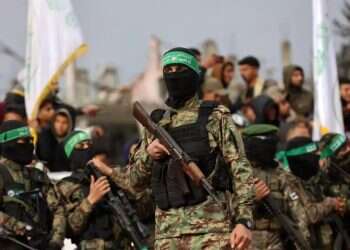
Hamas has embedded a demand for comprehensive immunity covering its senior commanders and operatives within the list of conditions it presented to American officials and regional mediators regarding disarming. The terror group justifies this requirement by citing fears that Israel will systematically eliminate its leadership once the remaining hostages return home. Hamas has made this immunity provision a gateway to formal negotiations, effectively demanding Israel halt ongoing strikes against operatives attempting to reconstitute the organization's terror infrastructure and respond to Israeli strikes.
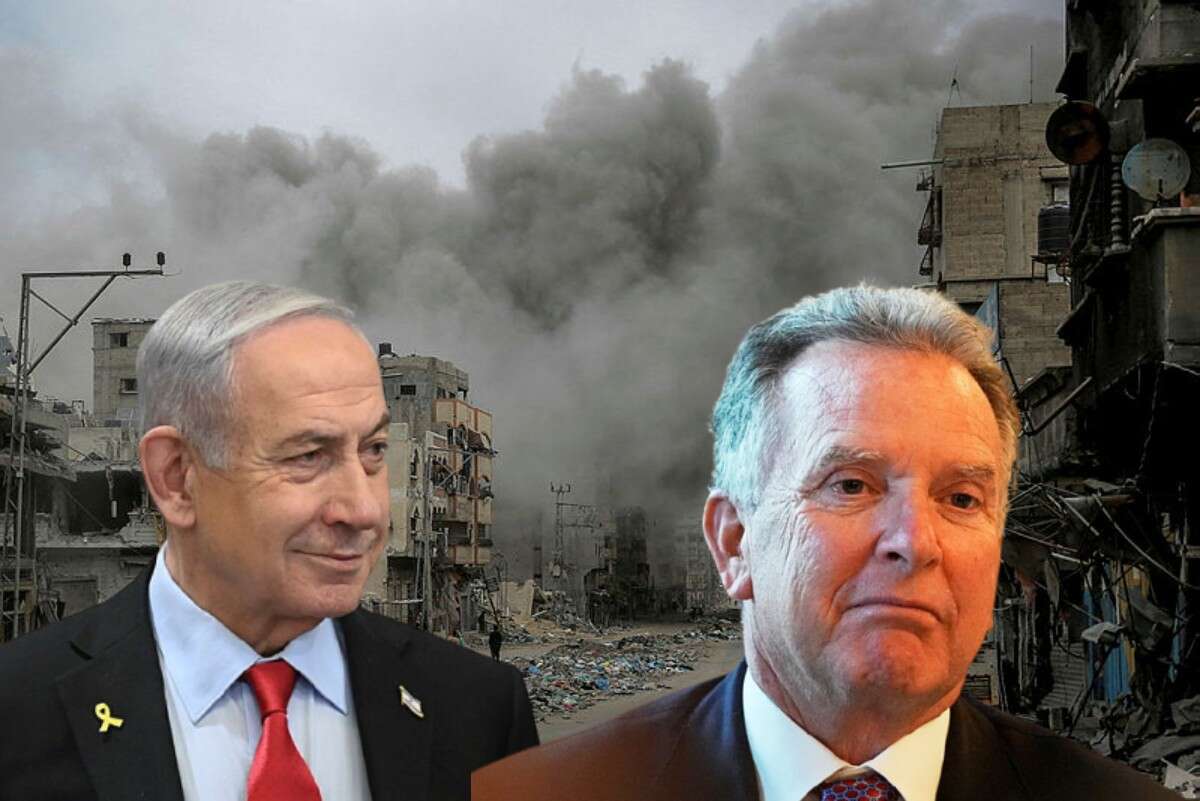
Senior diplomatic officials engaged in the negotiations told Israel Hayom the current phase involves exchanging preliminary positions to establish baseline parameters for substantive talks. The immunity proposal has found unexpected traction with American interlocutors, who argue that any comprehensive war-termination agreement should extend pardons to individuals demonstrating genuine abandonment of terrorism. The 6th point of US President Donald Trump's 20-point plan for Gaza explicitly addresses this, declaring, "Once all hostages are returned, Hamas members who commit to peaceful co-existence and to decommission their weapons will be given amnesty. Members of Hamas who wish to leave Gaza will be provided safe passage to receiving countries."
"The massacre scenes from 2006 have not been forgotten"
Diplomatic sources confirmed the Americans transmitted this Hamas demand to Jerusalem, which flatly rejected implementation at this premature stage. Israeli officials insist they will not consider such provisions absent a comprehensive, verifiable disarmament protocol for all terror organizations operating in Gaza. Trump's 20-point blueprint prioritizes disarmament in its opening sections, mandating destruction of "all military, terror, and offensive infrastructure, including tunnels and weapon production facilities."
Hamas has further stipulated that pending final-stage arrangements – and contingent on securing international and Arab security guarantees for its leadership – the organization will maintain an armed force dedicated to protecting these senior figures. The group has also expressed anxiety to Egyptian mediators that beyond Israel, the Palestinian Authority might target Hamas commanders seeking retribution for the organization's violent 2006 takeover of Gaza.
"This doesn't resemble an organization negotiating its dissolution – quite the contrary."
A senior Palestinian Authority official told Israel Hayom that the brutal scenes of Hamas operatives massacring and torturing Fatah activists and PA personnel throughout Gaza's streets during that coup remain vivid memories. "We cannot permit Hamas to replicate those atrocities. Any individual choosing to remain in Gaza and serve its residents must submit to Palestinian Authority jurisdiction, pledge allegiance exclusively to the PA, and operate solely under its authority."
An Arab diplomat informed Israel Hayom the immunity question surfaced during Palestinian Authority consultations as well. Egypt's ambassador to the PA convened this week with Hussein al-Sheikh, deputy to Palestinian Authority President Mahmoud Abbas and widely regarded as the PA's most powerful figure. The Palestinian Authority, as Israel Hayom previously reported, opposes Hamas' additional demands – particularly keeping in place Hamas officials who seek positions in Gaza's emerging administration, and especially the group's insistence on integrating operatives into the strip's security apparatus.
The PA and Israel share this position, anchoring their stance in a separate Trump plan provision. That section explicitly states, "Hamas and other factions agree to not have any role in the governance of Gaza, directly, indirectly, or in any form."

Diplomatic sources indicate the immunity and amnesty question for Hamas personnel has received sympathetic consideration from American officials. Similar receptiveness extends to Hamas civil administrators demonstrably uninvolved with the terror organization's military operations – individuals who functioned purely as public servants delivering civilian services.
Regarding Hamas police force members the organization seeks to incorporate into reformed security structures, negotiators have floated the possibility that those proven uninvolved in terrorist operations, who surrender weapons and formally sever Hamas ties while pledging loyalty to successor governance, might receive consideration for law enforcement roles. Diplomatic sources emphasize that should this avenue materialize, Israel will exercise vetting authority over these candidates following Shin Bet security assessments.
Israeli officials decline detailed comment, though a senior government source told Israel Hayom that Jerusalem remains committed to Trump's 20-point framework as written, including absolute exclusion of Hamas personnel from administrative roles. This official noted that current evidence suggests Hamas continues strengthening by appropriating humanitarian supplies from aid convoys and imposing forced taxation on Gaza merchants. "This doesn't resemble an organization negotiating its dissolution – quite the contrary."
Notably, Hamas derives encouragement from Turkey, Qatar and Egypt regarding its weapons retention stance. These supporters back demands for immediate Gaza reconstruction – directly contradicting Trump's framework, which stipulates rehabilitation can commence only following complete weapons surrender and governance transfer.