


Tehran Mayor Alireza Zakani announced on Thursday the launch of a project to build shelters in underground parking facilities in the city, saying they would serve as emergency refuges in times of crisis. He added that the capital's metro stations could also be used as shelters if necessary, and said the program would eventually be expanded to all neighborhoods of Tehran in the coming years.
"A serious trend has begun in the city to serve residents," Zakani said.
In an interview, the mayor detailed plans that include constructing shelters, installing warning systems and protecting civilians in the event of a possible war. He said the initiative was conceived after what he described as the "12-day war," and was designed to allow underground parking lots to function normally during the year while being converted into shelters in times of danger.
"At this stage we have identified at least two sites for this purpose, and implementation is under way, but these two locations alone will not be sufficient," Zakani said. "We are advancing this as a pilot project, and the projects will continue to develop and expand in the coming years."

Asked when the parking-shelter projects would be completed, Zakani said both had only just begun. He noted that, separately, there are existing structures that could be used temporarily as shelters, and that special arrangements had been made to enable the metro system, which has significant capacity, to serve that role as well.
"These measures are infrastructural," he said. "Building such infrastructure takes time, but overall a serious trend has begun in the city so that we can provide better and more effective service to residents."
Meanwhile, Iran's Tasnim news agency reported on Thursday that various units of the Islamic Revolutionary Guard Corps had received a shipment of 1,000 unmanned aerial vehicles. Iranian Army Commander Amir Hatami said the military was maintaining and strengthening its strategic advantages in light of anticipated threats.
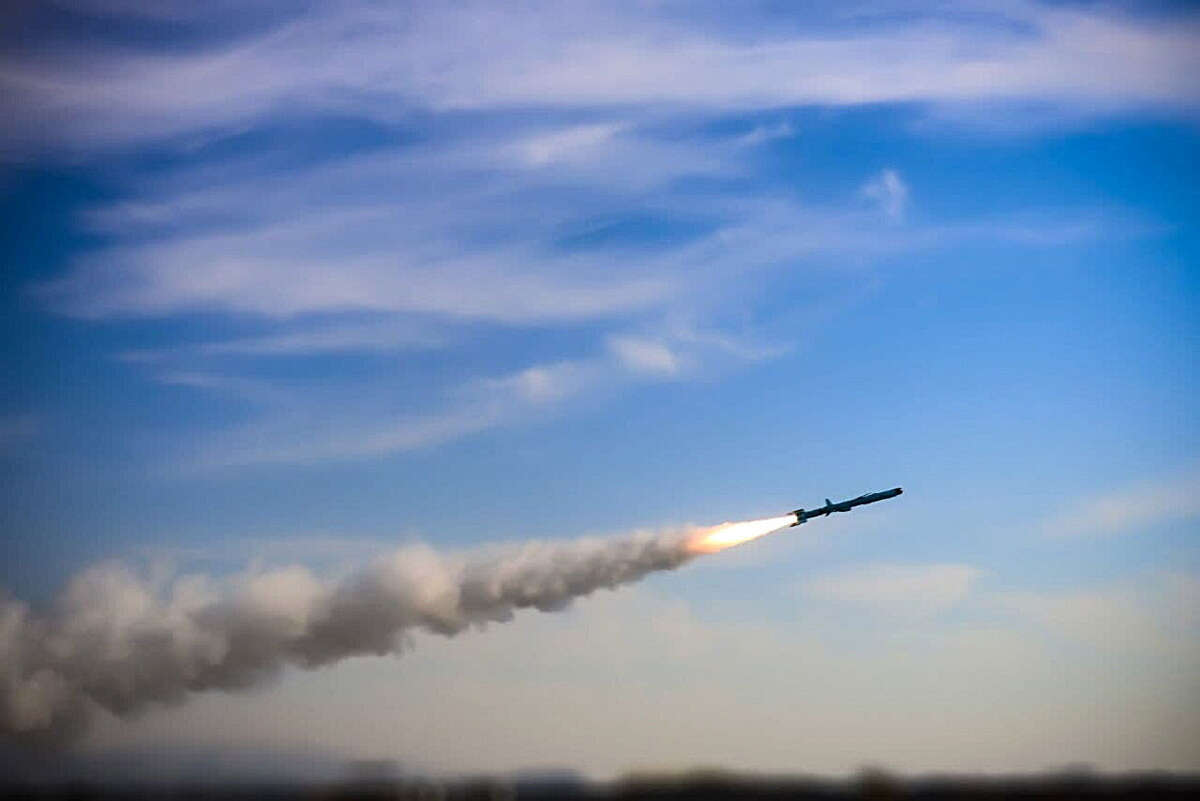
"In accordance with the expected threats, the army is preserving its strategic advantages and even reinforcing them, in order to enable rapid combat and deliver a crushing response against any aggressor," Hatami said.
On Wednesday night, an Iranian source told the Al-Mayadeen television network that in view of the US military buildup, negotiations were not a top priority and the focus was on defense. According to the source, Iran intends to raise its defensive readiness to the highest levels in a confrontation with US forces.
"If the Americans want negotiations without predetermining their outcome, Iran will accept that," the source said.
The source added that Iran was taking seriously the possibility of war and would not be distracted by US rhetoric. He said Iran would strike the base or location from which any aerial operations were launched, but would not target countries it does not consider hostile.
"The US cannot force us into negotiations through a military buildup," he said. "The US knows our response will be appropriate and not merely proportional."


