


"I admit I did not think we would reach this moment," says a senior official in the IDF Intelligence Directorate's Hostages and Missing Persons Command. "During the war, I assessed that we would not succeed in locating more than ten bodies, and that they would remain open cases for decades."
They served in a range of roles within the Intelligence Directorate's special operations, and spent their entire service in the shadows. This is the first time since the start of the war that the commanders responsible for intelligence, operations and all aspects related to the hostages are speaking publicly. Until now, and as long as their mission was unfinished, they did not allow themselves to do so. "There was always someone else to worry about, something else that could be done," the senior official says.
The Hostages and Missing Persons Command was established on the morning of October 7. Until then it had been a small department within the Intelligence Directorate, operating routinely and never prepared for such an extreme scenario, as became clear in the hours that followed. Hundreds of reservists, most of them Intelligence Directorate veterans, were mobilized under the command of the unit's head, an officer with the rank of colonel, who reported to the Hostages Directorate led by Maj. Gen. (res.) Nitzan Alon. In total, the unit included about 2,000 people who served in varying rotations over the past two years and more.
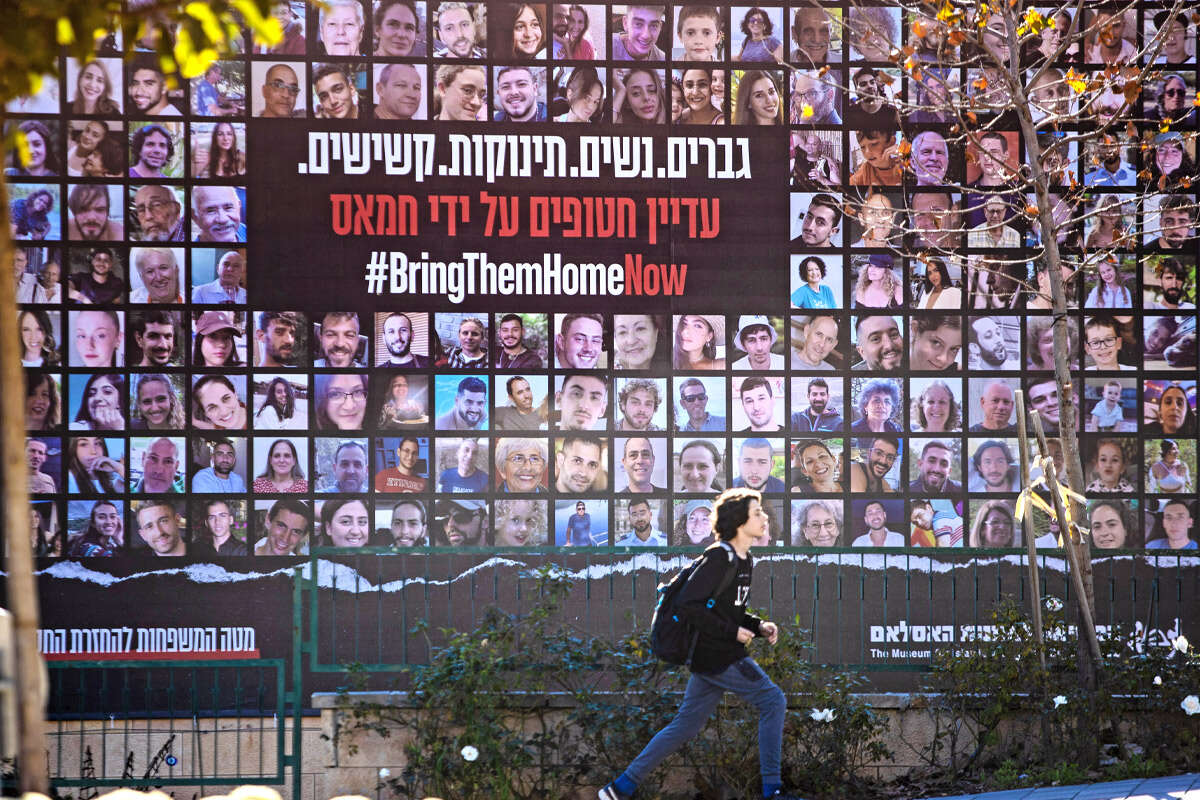
In the next stage, the unit worked to locate those who were definitively abducted to Gaza. This was done through the integration of a vast array of intelligence sources, from videos filmed during October 7, interrogations of terrorists captured inside Israel and during the ground maneuver, security cameras and more. Once the maneuver began, additional materials seized inside Gaza were added to the intelligence bank, including Hamas footage found on servers, terrorists' GoPro cameras and similar material. Signals intelligence from the Intelligence Directorate completed the picture, extracting additional information that could help trace the hostages' whereabouts. "The goal was to connect all the intelligence in order to tell the full story," the senior official says.
The unit's methods were based on classic intelligence disciplines but also incorporated elements of forensic science and investigative techniques used by the police and the Shin Bet security agency. One example involved a hostage who was filmed by Hamas terrorists' cameras as he was abducted from his home in one of the kibbutzim. Testimony from residents confirmed that he had been taken alive, but from that point his trail went cold.
Unit personnel reviewed every security camera recording they could find from the kibbutz and reconstructed a picture of all the vehicles that left toward Gaza on October 7. At a later stage, after the ground maneuver began, additional information allowed intelligence officers to identify the point at which the hostage was transferred from one vehicle to another belonging to Hamas. The identification was possible, among other things, because the hostage was wearing a distinctive item of clothing visible even in blurry footage. From that moment, it was possible to trace the continuation of his route, even though it was already clear at that stage that he had been murdered inside Israel.
Several months later, when IDF forces reached a specific area in Khan Younis, ground troops were directed to a particular house that the unit assessed the hostage had been held in for several days. Under the unit's guidance, soldiers were instructed to search the house for clothing, DNA remnants or cameras that could answer the question of where the hostage had been taken next. Instead, during a search of the yard, his remains were located and brought back to Israel. "A critical part of locating hostages was the interface with Southern Command and the maneuvering divisions, to direct them to locations and areas where we suspected hostages were present," the commanders explain.
Gradually, the intelligence picture took shape. At a relatively early stage of the fighting it became clear that there were no Israeli hostages left in northern Gaza, and later that none remained in the eastern part of the Strip either. Hamas, however, made efforts to separate the hostages and scatter them across wide areas under its control. "There were areas where we knew hostages were present but could not pinpoint their exact location. That is an extremely challenging situation. Hundreds of female and male analysts worked around the clock, in cooperation with the Shin Bet, to determine those locations.
"Throughout the war, there were living hostages in Gaza City, in the central camps and in Khan Younis. There were many cases in which we could say, they are in this tunnel or they are in that building. But we never had a precise location of all of them."
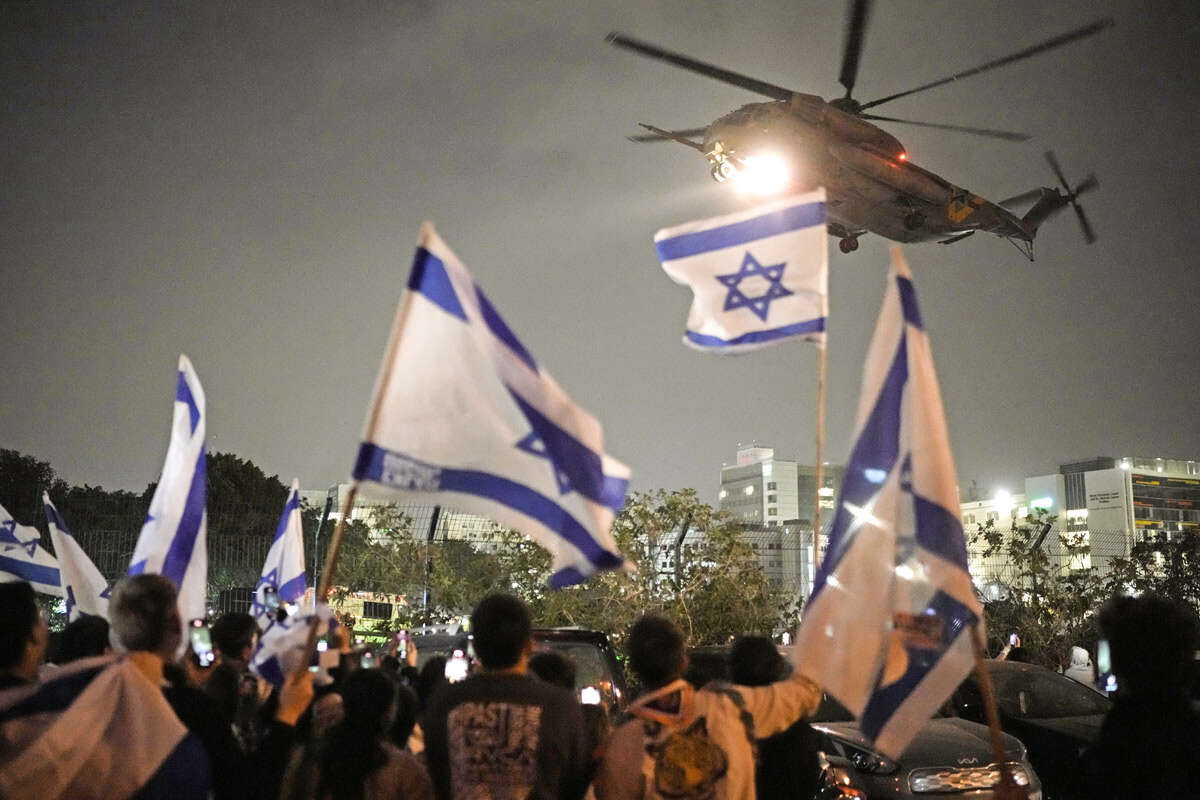
When possible, rescue operations were launched based on the intelligence gathered, but they were few. Out of 255 hostages, only seven were rescued in military operations. One additional hostage, Farhan al-Qadi, was found alive in a tunnel in Tel Sultan, in part due to the caution exercised by maneuvering forces after receiving guidance from the unit. A few days later, six hostages were murdered by their captors in a nearby tunnel after IDF forces approached the area. This was without question one of the most difficult moments for unit personnel.
After every incident in which hostages were harmed, the event was thoroughly reviewed in order to draw lessons for the future. These reviews were also essential to provide families with a detailed explanation of what had occurred. "It was important for us to sit with the families, take responsibility and say honestly this is what we knew, these are the decisions we made, here we made mistakes and this is what we learned," the senior official says.
During the war, several planned rescue operations for living hostages were canceled after the unit concluded that the risk to the hostages' lives outweighed the chance of saving them. In other cases, operations were postponed because negotiations for a hostage release were advancing and there was a reasonable chance they would be returned through an agreement.
Part of the difficulty in the unit's work was balancing two missions that sometimes conflicted: returning the hostages and defeating Hamas. "Our key, together with Southern Command, was to enable progress on both missions while minimizing the risk to the hostages as much as possible," he says. "Clearly there are situations where you refrain from certain actions or restrain the use of force because of the risk to hostages' lives. That balance was a daily, hourly task." According to him, there were also cases in which continued military pressure led Hamas to show greater flexibility in negotiations, meaning the two missions sometimes reinforced each other.
The psychological toll
The work in the Hostages and Missing Persons Command was not easy psychologically. Personnel lived and breathed the hostages constantly. "When you are responsible for a group of hostages or a specific hostage, at any given moment you are thinking where is he now, do I know where he is now, what can I do to refine the intelligence. You are always thinking about where the maneuver is relative to that hostage. The weight of responsibility is felt at every moment. When you realize we failed in the mission and hostages were harmed, it is of course an extremely difficult feeling."
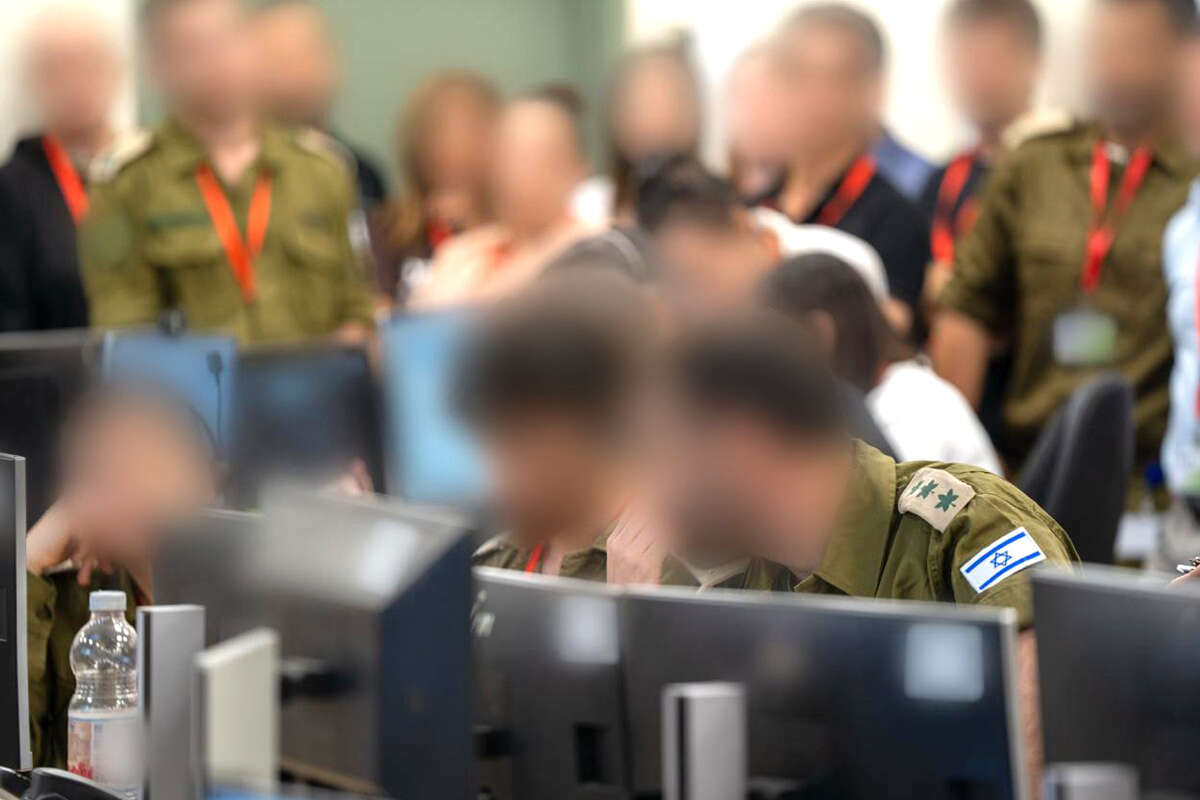
Unit members received and continue to receive mental health support to cope with the harsh images and emotions that arose during their work. According to the commanders, however, the heaviest psychological burden did not stem from exposure to atrocity videos. "The sense of urgency is the central component of the cumulative strain," one of them explains. "You are constantly attached to your military phone, there is no Friday or Saturday when you do not come in. It is literally day after day, without breaks. That is because we operated with the feeling that if we did not do our absolute best right now, we might miss an opportunity. The fear of missing the chance to bring them back, or of destroying a tunnel they are in, or of killing the last terrorist who knows where they are buried and losing the lead. That sense of responsibility is the heavy burden."
For example, had the operation to locate and return Ran Gvili not been carried out now, it is quite possible that in the near future the operational lines in Gaza would have shifted or strategic and tactical conditions would not have allowed the IDF to act. The same was true in the case of Oron Shaul, whose body was recovered from Gaza more than a decade after his death.
During the war, with intelligence from the unit, more than forty abducted bodies were recovered. Part of the unit's work involved what became known as the formal determination process, intended to establish that a hostage had indeed been killed. This process is intelligence based but has an official and final dimension, ending with the issuance of a death certificate. As a result, in determining the fate of each deceased hostage, unit personnel proceeded with extreme caution. The primary reason was to provide families with certainty that their loved one was no longer alive. "The worst thing is to tell a family member maybe your loved one is dead," the senior official says. "We wanted to deliver the hardest news of all, but together with certainty."
As part of this process, three committees were established. The first consisted of intelligence professionals who located, cross checked and repeatedly examined intelligence items that could indicate the hostage's fate. Only once an airtight picture was formed were the findings transferred to a second committee of pathologists and physicians. At times, the medical committee required additional data to conclude that the hostage had indeed died in captivity. The next stage involved a halachic committee headed by Israel's chief rabbi in the case of civilians, and the IDF chief rabbi in the case of soldiers. Only if all committees unanimously determined that the hostage had died was he declared fallen.
The work of these committees intensified mainly during ceasefires that included the return of some living hostages, enabling the extraction of intelligence from them. During the first hostage deal, for example, it was determined that two abducted women had been killed in captivity based on information that emerged during the pause. Today it can be stated with certainty that, despite the difficulty and complexity, all decisions made by the three committees regarding determinations of death were correct.
An outsider would not understand
Within the unit, it was understood that returning Ran Gvili, whose death had already been determined in January 2024, would be one of the hardest missions to complete. One reason was that even Hamas did not know what had happened to Gvili. For nearly two years, unit personnel tried unsuccessfully to trace the route of his abduction.
Only recently was information received that directed them to a cemetery in Shujaiyya, where he was ultimately found. Even as IDF forces searched the cemetery during Operation Brave Heart, unit personnel continued working to provide more precise information about his location within the cemetery itself.
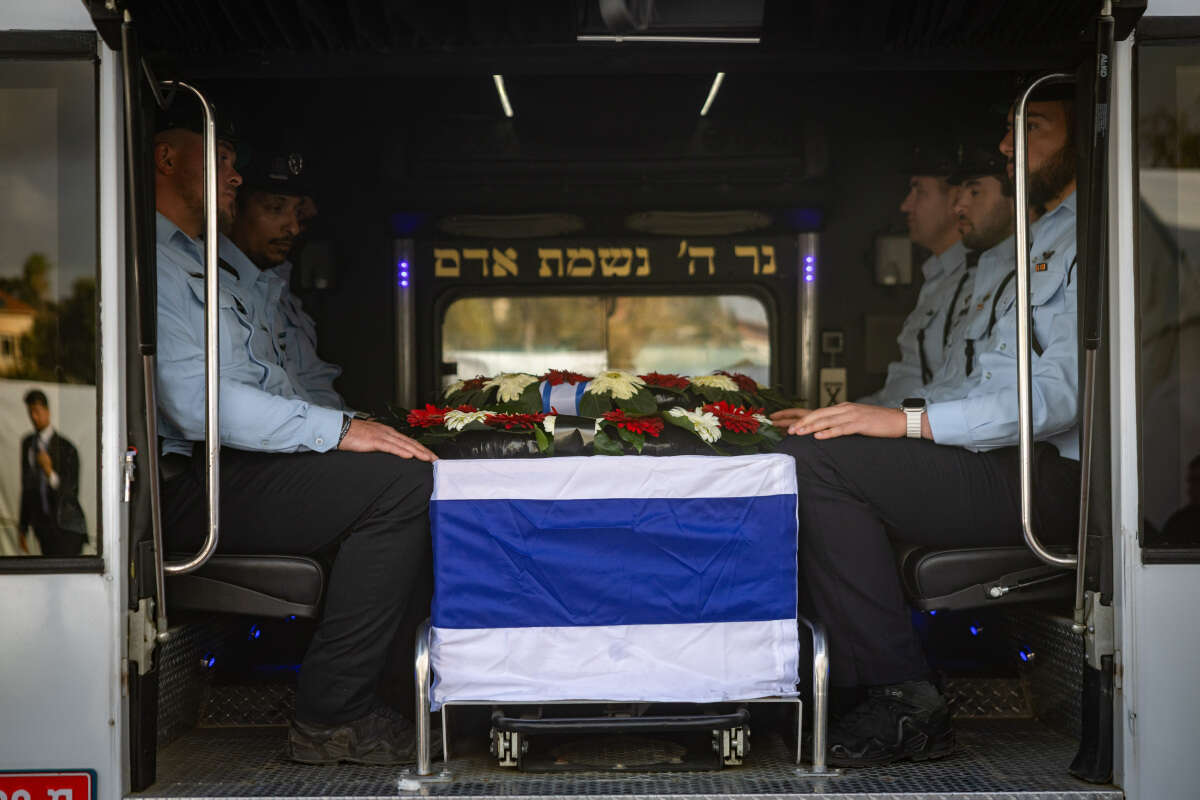
The senior official arrived at the cemetery after Ran Gvili was located together with IDF Chief of Staff Lt. Gen. Eyal Zamir. After a long time, the two had reason to smile. Zamir patted him on the shoulder and said with a smile, "You're fired." The day after Gvili's recovery, the last hostage, everyone who had worked on the complex case gathered at the hostages command, which had finally reached its conclusion.
"We knew within the command that there were no good words to describe what we did," they say. "Clichés always sound like clichés, and we do not like using them. The truth is there were many cases where clichés were too small to describe what happened. Yesterday we gathered, the team that worked on Rani's case, just to be together. Because among those who worked on this, togetherness needs no explanation. It was a moment when we understood we were part of a major event in the history of our people and our nation."
"You could say the mission has been completed," the senior official allows himself a smile. "I do not think there is another army or country in the world that would invest what we invested to bring back all the hostages, or that would cling to and persist in this mission the way we did."


