


Trump continues to seek to leave his mark not only on US policy but also on the physical landscape of Washington.
Over the weekend, the president reiterated his plan to construct the enormous arch, a project expected to become one of the most prominent architectural symbols of the celebrations marking the 250th anniversary of US independence. Reports say the structure would reach a height of up to 250 feet, or roughly 76 meters.
By comparison, the Arc de Triomphe in Paris rises to about 50 meters, while the Lincoln Memorial stands at roughly 30 meters. If built to its full proposed dimensions, the new structure would also surpass the Monument to the Revolution in Mexico City, currently considered the tallest triumphal arch in the world.
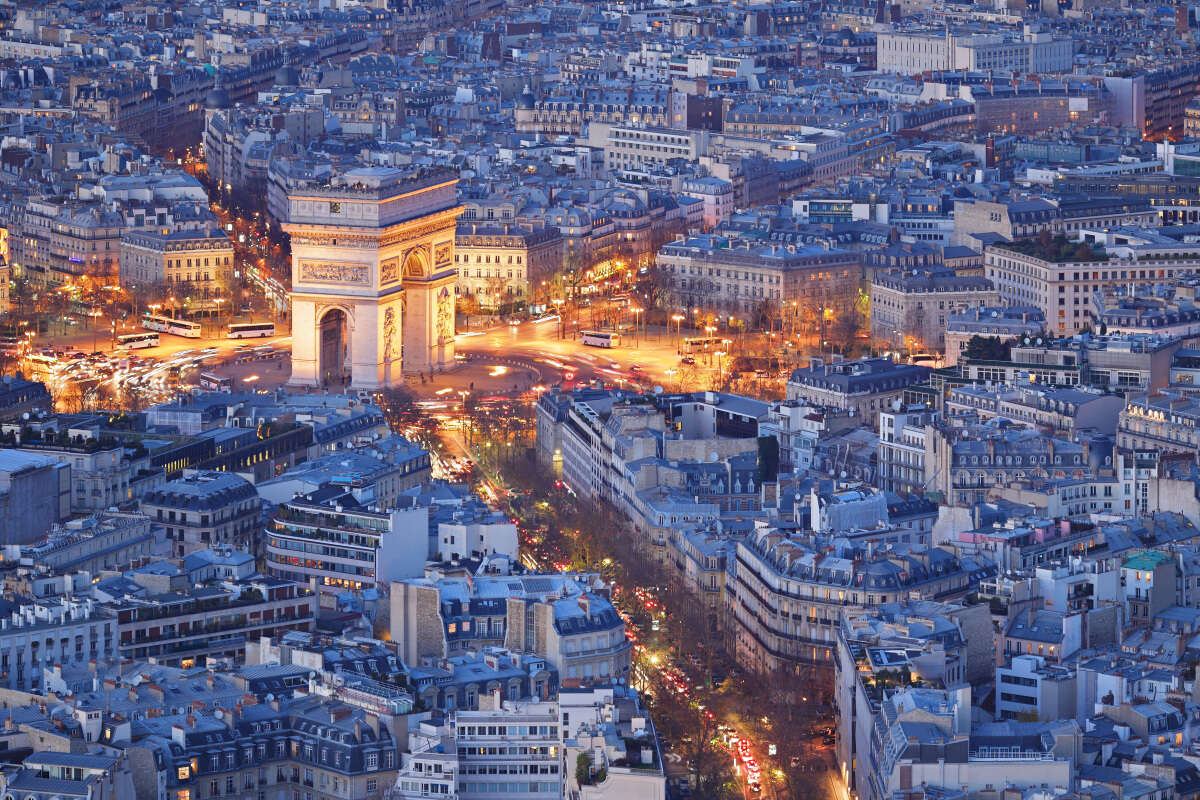
The project has been unofficially dubbed the "Trump Arch" or Arc de Trump, and officially named the "Independence Arch." It is intended to commemorate the 250th anniversary of the US Declaration of Independence.
According to the White House, the structure is expected to become "one of the most iconic landmarks in the world" and a central element of Trump's legacy ahead of the jubilee year. Trump himself said the height was no coincidence. "250 for 250. It just sounds right," he said.
On Monday, the president also addressed the issue on his Truth Social platform, where he posted an image of the Gateway of India and wrote, "India's beautiful Triumphal Arch. Ours will be the greatest of them all!" The post suggested that Trump views the project as a symbolic competition with other iconic sites around the world.
Not everyone is impressed. Architects and historians, including art and architecture critic Catesby Leigh, former senior architectural historian in the state of Virginia Calder Loth, and John Haigh, head of the architecture program at Benedictine College, warned in US media that a structure on such a scale could overwhelm the surrounding historic sites and disrupt key symbolic sightlines. Some argued that a triumphal arch of this magnitude does not fit the symbolic character of the area.
The project is expected to be funded through private donations, including leftover funds raised for another Trump-backed architectural project, the construction of a new White House ballroom. That ballroom, now under construction following the demolition of the White House's East Wing, has sparked sharp controversy over its scale and its impact on the historic complex. Architects and preservation experts have opposed the project, arguing that it constitutes a serious blow to the historic fabric of one of the most prominent symbols of American democracy.
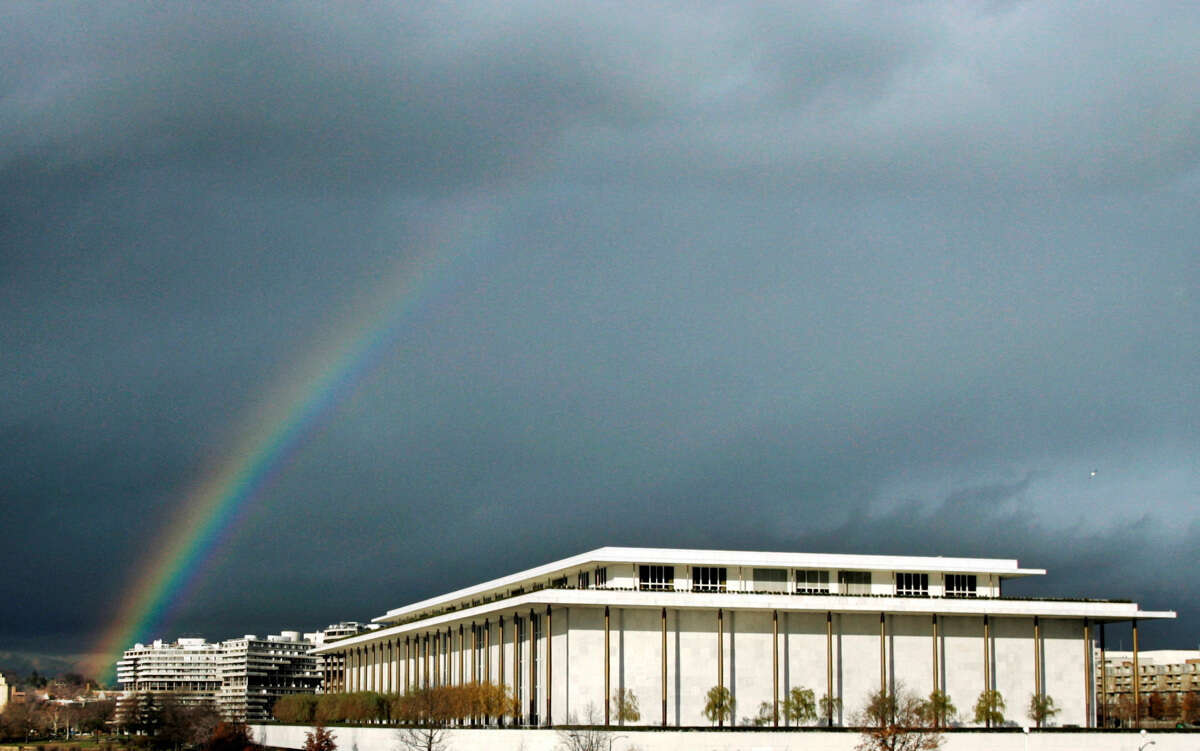
At the same time, Trump has also announced a comprehensive renovation of the Kennedy Center for the Performing Arts, one of the most important and prestigious cultural institutions in the US, which has borne his name since December. The planned renovation, announced on Sunday, is expected to last about two years starting in July. Democratic lawmakers accused Trump of acting "with complete disregard for Congress," arguing that the decision was made without sufficient transparency, without presenting a clear budget and without fully detailing the scope of the work or the need for a prolonged closure of the institution.


