In negotiations, one concept is particularly important: ZOPA, the Zone of Possible Agreement, the range of outcomes in which both sides can reach a deal. When the ZOPA is empty, no matter how many rounds of talks take place, an agreement is simply impossible. A clear look at the differences between the US and Iran after the latest round of talks points to an unmistakable conclusion: there is no ZOPA.
The US launched the current round of escalation in an attempt to undermine the Iranian egime and encourage protests, which for now have faded. Alongside military threats, the Americans signaled a willingness to negotiate. Iran, for its part, has said it is willing to discuss only the nuclear issue. Even if Washington were to make a dramatic retreat and limit the talks strictly to the nuclear file, it is hard to see a scenario in which it would allow uranium enrichment on Iranian soil. Conversely, Iran, deeply suspicious of the Trump administration, will not agree to anything less than the capabilities it had under the Joint Comprehensive Plan of Action. As a result, the current talks are essentially a stalling tactic. No good or even reasonable agreement can emerge from them.

What happens when there is no agreement?
Another key concept in negotiations is BATNA, the Best Alternative to a Negotiated Agreement. In other words, what is the alternative if there is no deal?
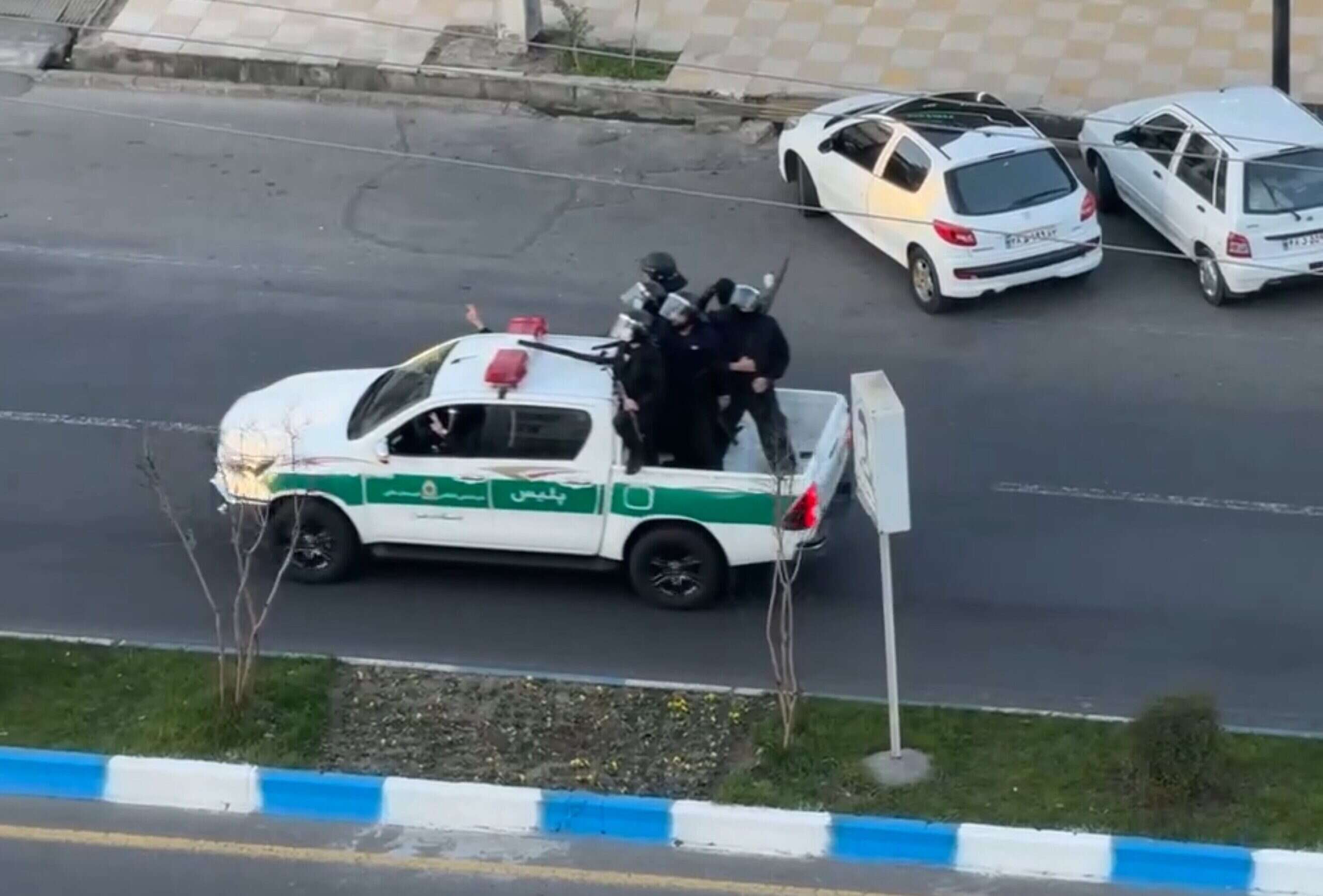
From Iran's perspective, the alternative is a continuation of the status quo under sanctions that have been intensified with the activation of the snapback mechanism. Over the medium and long term, this offers no good news for the regime as the Iranian economy continues to deteriorate. In the short term, however, the regime knows how to survive, especially after demonstrating to its own population a willingness to use brutal repression without restraint.
The Americans say the military option is on the table and have moved significant forces into the region. Although they have been on the brink of a strike, it has not yet taken place. The delay is likely due to a combination of insufficient operational readiness and uncertainty about the desired outcome: either the attack would not cause enough damage, or it could drag the US into a prolonged war it does not want.
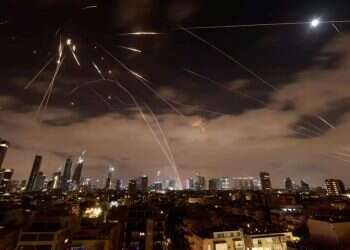
There are also more prosaic reasons for postponement, such as waiting until after the Super Bowl. Iran, for its part, has already declared that any attack would be treated as a full-scale war and would be met with missile strikes on all US bases in the Middle East and on Israel. We know how this would start; we do not know how it would end.
Four possible scenarios
First scenario: A new nuclear agreement in exchange for sanctions relief and the removal of the threat of attack. The chances of this are slim, and if such an agreement were signed, it would be a bad one.
Second scenario: Endless stalling. With negotiations or without them, it makes little difference. Pressure on Iran would continue, and in the absence of a political horizon, a new wave of protests or another internal threat to the regime's survival could emerge. It is also possible that time and nature will take their course, and that under a different Iranian leader, some options could reopen.

Third scenario: A token strike, perhaps even coordinated with the Iranians. Trump would declare victory and shift his attention elsewhere. The Iranian problem, of course, would not disappear.
Fourth scenario: A significant US attack. For it to be effective, its goal would have to be a serious destabilization of the regime, up to and including its collapse. To achieve that, the strike would need to include the elimination of Supreme Leader Ali Khamenei, or at least be an action on a comparable scale. Such an event would shake the regime to its core.
In the meantime, Iran still has about 440 kilograms of uranium enriched to 60 percent, not under effective oversight and sufficient to produce ten nuclear bombs. Tehran now understands more clearly than ever that nuclear weapons are the only insurance policy for the regime's survival. All that remains is to hope that Israeli intelligence monitoring is good enough, because once Iran becomes a nuclear state, the strategic calculus will change completely.