


As Israel's ruling coalition struggles to advance legislation due to the Haredi parties' refusal to vote with the government until progress is made on the Haredi draft law, another internal clash is brewing inside Likud. This time, the dispute centers on reform of the dairy market. The confrontation, pitting ministers and Knesset members from within the coalition against one another, threatens to further undermine the stability of both the party and the coalition as a whole.
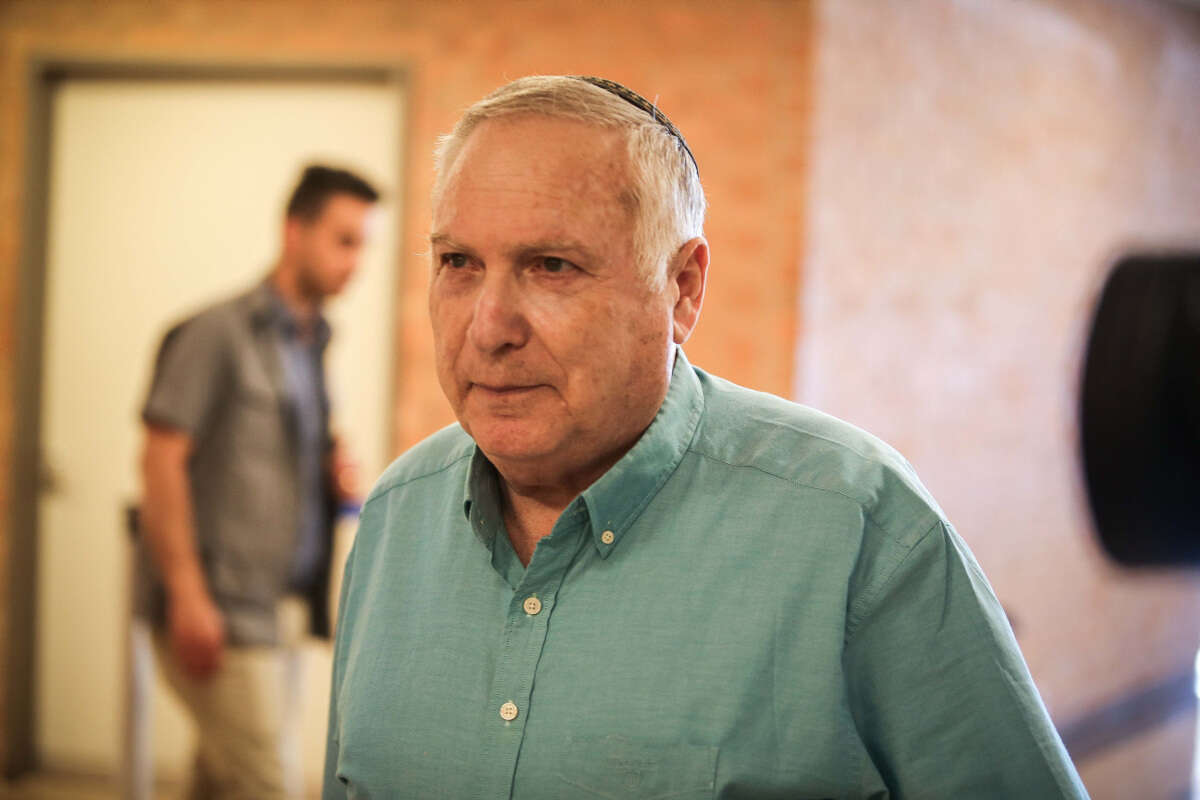
An especially unusual scene unfolded Monday in the Knesset, when Agriculture Minister Avi Dichter was seen inside the Shas party room, wearing a skullcap and explaining to party members why they should oppose the dairy market reform being promoted by Finance Minister Bezalel Smotrich. The meeting was held behind closed doors, but Israel Hayom obtained a photograph from the event.

Dichter did not limit himself to behind-the-scenes persuasion. Last night, he abstained from voting with the coalition on splitting the Arrangements Law and transferring part of it to a committee chaired by MK Ohad Tal. According to Dichter, the move was a protest against what he described as the continued aggressive promotion of the dairy reform over the head of the regulator responsible for dairy farms, the Agriculture Ministry.

On Tuesday, Natan Eshel, a close associate of Prime Minister Benjamin Netanyahu, also joined the fray, publishing a sharply worded critique of the finance minister's policy. "Smotrich, stop harming those who are easy and convenient to hurt. Not farmers, not manual laborers and not the dairy market," Eshel wrote. "The real problem lies with the middlemen. That is where the enormous gap sits between what the farmer receives and what the public pays." He added that "serious policy does not kick the weak but breaks up concentration and tackles centers of power."
In a conversation with Israel Hayom, Eshel explained that the battle currently unfolding within Likud is not over whether there should be a reform, but over who will bear its cost. In his view, middlemen in the dairy market are the ones harming both farmers and the general public, and that is where the struggle should be focused.
The clash over the dairy reform adds to the political difficulties already facing the coalition. With Haredi parties refusing to vote with the government, and Likud itself grappling with an internal crisis over sensitive economic policy, the coalition now finds itself confronting yet another upheaval that further complicates efforts to advance its legislative agenda.


