


After two years in which Ramadan passed relatively quietly under the shadow of war, Israeli security officials now warn that this year's observances could prove especially volatile. The central concern is a combination of lone-wolf terrorist attacks, renewed activity by Hamas and other terrorist organizations' infrastructure in Judea and Samaria, and the potential for broader unrest among a frustrated Palestinian public.
Many Palestinians had expected a return to normal life following the end of fighting in Gaza. That expectation, security officials believe, has not been met, deepening public disappointment and anger.
Israeli officials describe this year's "entry angle" into Ramadan as more troubling than in recent years. Two years ago, shortly after the outbreak of the war, Ramadan remained relatively calm amid widespread Palestinian concern over a harsh Israeli response. Last year, the month fell shortly after the IDF launched a large-scale operation in refugee camps in northern Samaria, a move that deterred terrorists and disrupted their operations.
This year, despite a relatively low number of significant attacks in recent months, the assessment is that friction potential is higher.
Iran, the Temple Mount and settlement moves
One major factor is the timing of Ramadan, which coincides with growing reports of a possible US strike on Iran. Security officials say Tehran has recently intensified efforts to transfer weapons and funds and to recruit terrorist operatives in Judea and Samaria, intending to activate them when ordered.
There is concern that a direct confrontation with the Islamic Republic of Iran could inflame the Palestinian street, already on edge, particularly if Tehran's proxies, including Hezbollah and the Houthis, join the fighting.
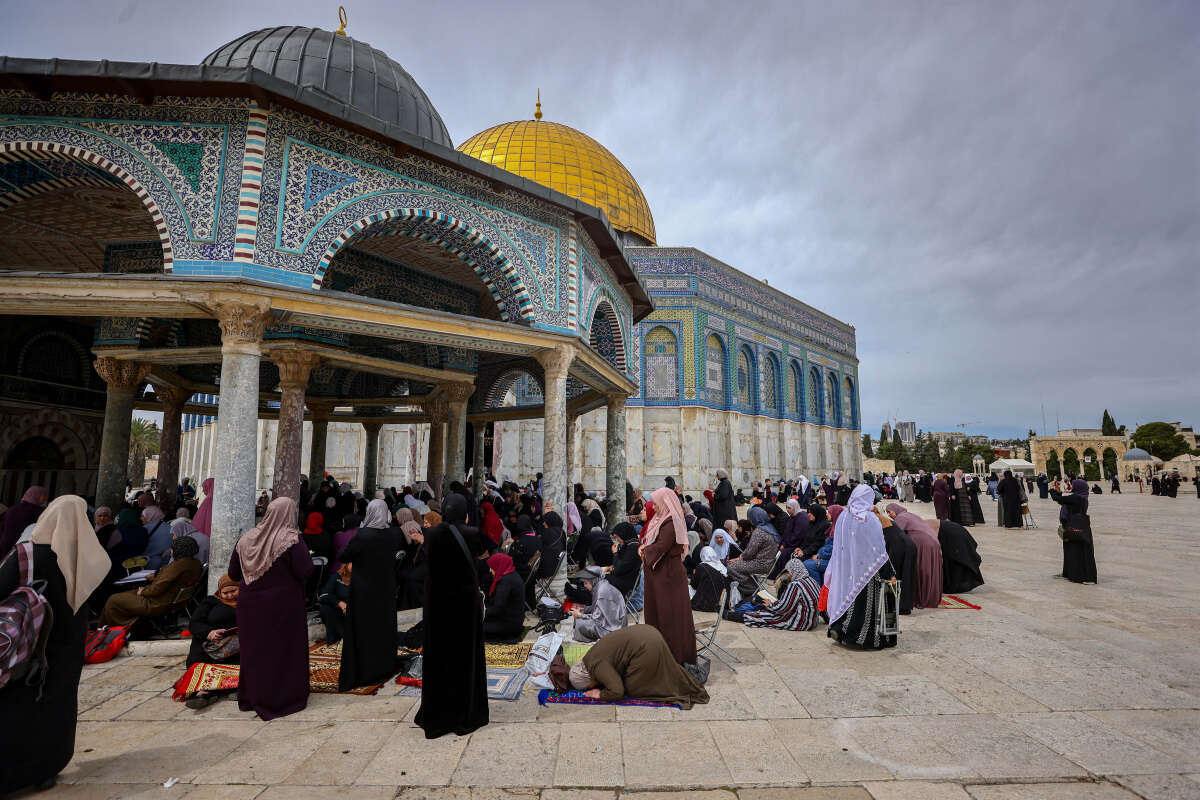
At the same time, recent decisions by Israel's political leadership have been poorly received among Palestinians in Judea and Samaria. The decision not to lower the minimum age for Muslim worshippers permitted to enter the Temple Mount during Ramadan, and not to increase the quota of entrants, has sparked anger. Many Palestinians had expected broader easing of restrictions following the end of the Gaza war and a return to policies in place before October 7.
Tensions are also fueled by renewed talk in Israel of annexation and by a government decision to reestablish the community of Sa-Nur in northern Samaria. The government has said that the renewed presence there will take place by the Jewish holiday of Purim, which this year falls during Ramadan, a convergence that adds to the strain.
Economic despair and security concerns
The economic situation in Judea and Samaria adds another layer of pressure. Unemployment, which stood at about 13% before the war, has risen to roughly 29%. Israel is not currently permitting Palestinian laborers to return to work inside its territory. Palestinian officials and residents speak of growing economic despair, compounded by a sense of political stagnation.
The delay in moving to phase two of the Gaza framework has also affected public sentiment in Judea and Samaria. Many had anticipated a different reality by now, and disappointment is mounting. This is compounded by the presence of hundreds of terrorists released in hostage exchange deals over the past two years. Experience following the 2011 Gilad Schalit deal showed that many released prisoners returned to terrorist activity in various forms. Security officials fear that heightened religious fervor during Ramadan, combined with the physical strain of fasting, could accelerate radicalization processes.
Officials also point to a recent rise in what they describe as "hate crimes" by elements within the Jewish population. Increased friction raises the risk of casualties, and a single "successful" attack could further destabilize the situation.
Tension mounts as IDF reinforces
Although no large-scale, successful terrorist attacks have been recorded recently, largely due to ongoing counterterrorism operations, data from recent weeks show an uptick in stone-throwing and Molotov cocktail attacks, seen as an indication of renewed agitation on the ground.
The IDF is preparing for Ramadan with reinforced forces. The Commando Brigade is expected to operate in the sector and remain on immediate standby for any incident. The Judea and Samaria Division will receive several additional companies, mainly in the seam zone and at crossings around Jerusalem. Security officials anticipate attempts to infiltrate into Israeli territory with the aim of reaching the Temple Mount. The Israel Police's Judea and Samaria District is also bolstering its presence along the seam line.
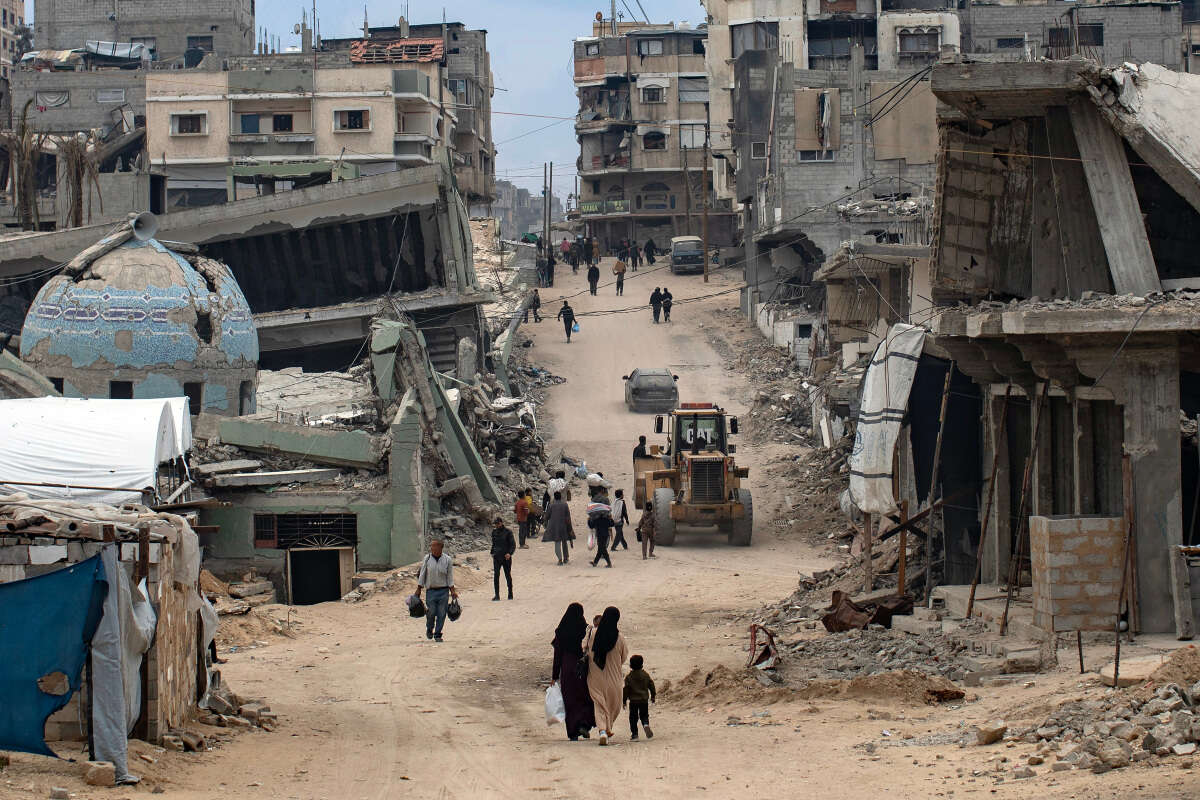
Over the past week, the division intensified operations, arresting 104 suspects and seizing nine weapons, including a machine gun, a shotgun, a long gun, two pistols, a hunting weapon and an M-16 rifle, as well as two airsoft guns. Authorities also confiscated terror funds totaling 1,560 shekels, 15,430 shekels and 2,200 dinars, along with gold worth approximately 3 million shekels and a BMW vehicle valued at around 200,000 shekels.
The IDF has stressed that operational activity will continue as usual during Ramadan, unlike in previous years when non-urgent operations were reduced out of consideration for the fasting month. A significant test is expected this coming Friday, the first Friday of Ramadan. The military will deploy reinforced forces, expressing hope that despite the destabilizing factors, the month will pass without escalation and without Israeli casualties.


