


Army commander Rodolphe Haykal is scheduled to present the results of his trip to Washington at a cabinet meeting in Beirut. The visit was widely seen in Lebanon as unsuccessful. During the trip, US Sen. Lindsey Graham reportedly cut short a meeting with Haykal after the general declined to define Hezbollah as a terrorist organization.
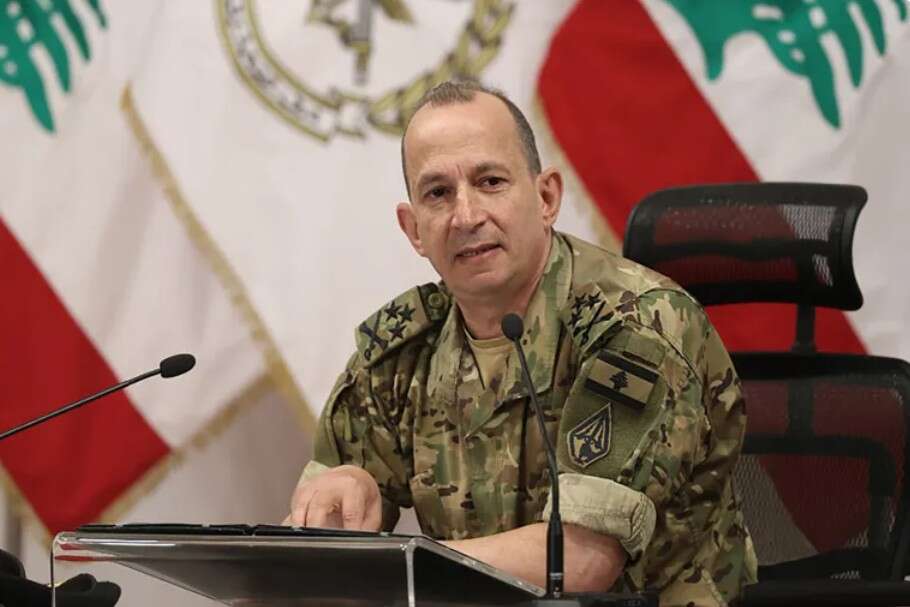
Haykal is also expected to outline preparations for an international conference on assistance to the Lebanese army, due to be held in Paris on March 5, and to submit a periodic report on efforts to concentrate weapons in the hands of the state. In addition, he will present a plan to collect weapons north of the Litani River.
According to US military sources quoted by the Lebanese newspaper Nidaa al-Watan, the Lebanese army has so far deployed about 10,000 troops in the area south of the Litani. North of the river, a brigade and a battalion numbering some 3,000 soldiers are currently stationed. Most of the forces, the sources said, are concentrated east of the city of Sidon.
Sources told the Lebanese daily Ad-Diyar that the ultimate decision on collecting weapons is political rather than military. The government is therefore expected to inform the army whether to move into the northern sector of the Litani or to wait until Israel "fulfills its commitments" under the ceasefire agreement.
However, the sources added that the government and all political factions understand that stopping the weapons-collection process is not an option, as doing so would effectively cancel the international assistance earmarked for the Lebanese army at the March conference.
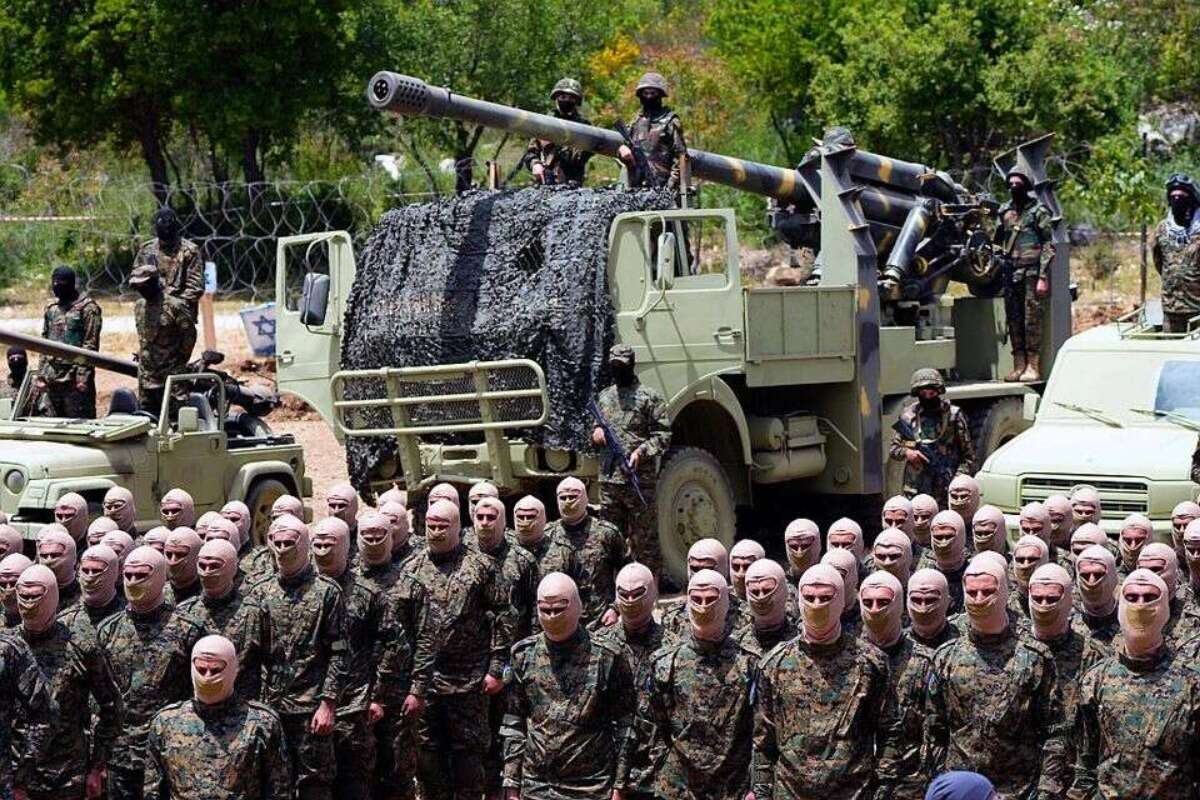
Meanwhile, Hezbollah lawmaker Hassan Fadlallah called on the government to freeze all commitments and to condition any further steps on Israel "adhering to the ceasefire," setting terms for an Israeli withdrawal from southern Lebanon, securing the release of detainees affiliated with the terrorist organization, and allowing residents to return to border villages.
Despite Hezbollah's firm refusal to disarm, sources said the terrorist organization appears willing to cooperate on a compromise formula that would allow the Lebanese government to avoid what they described as a "major minefield." The reasoning, they said, is that a collapse of the process would further damage Lebanon's already fragile economic situation.
In any case, Lebanese President Joseph Aoun is reportedly seeking a solution that would allow him to balance between competing pressures while maintaining stability.


