

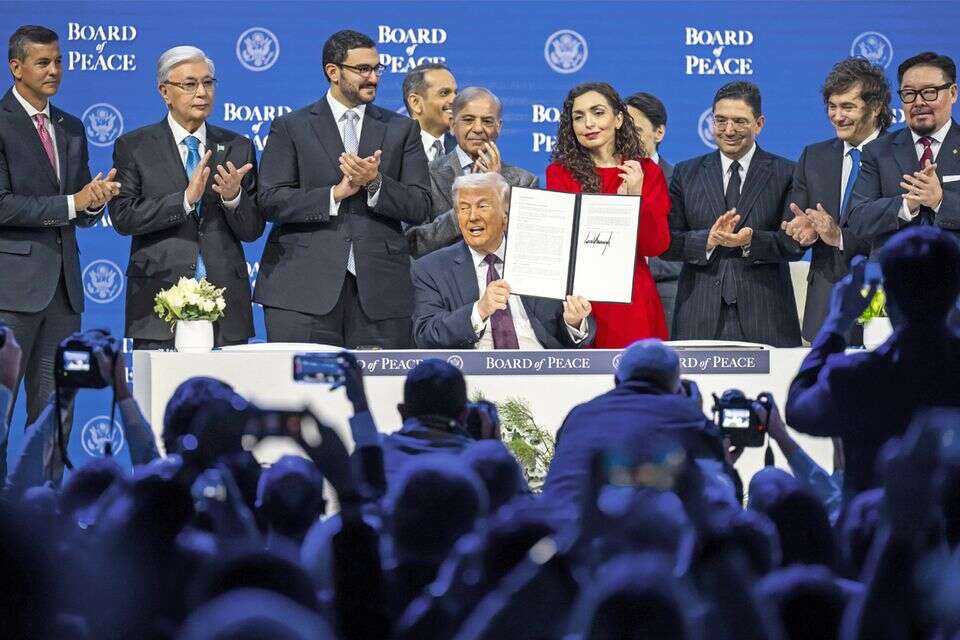
President Donald Trump's Board of Peace is set to convene in Washington on Thursday to debate Gaza's future, as competing interests and unresolved security questions cast doubt over the viability of the American plan for the Strip.
The board, which has been tasked with overseeing Gaza's governance and reconstruction after the war, is expected to discuss the entry of a Palestinian technocratic committee and the deployment of international forces. Yet even before the session begins, Hamas, still wielding de facto control in large parts of Gaza, is rejecting disarmament and placing obstacles in the path of any alternative authority, allowing a safer and more stable reality to emerge in Gaza.
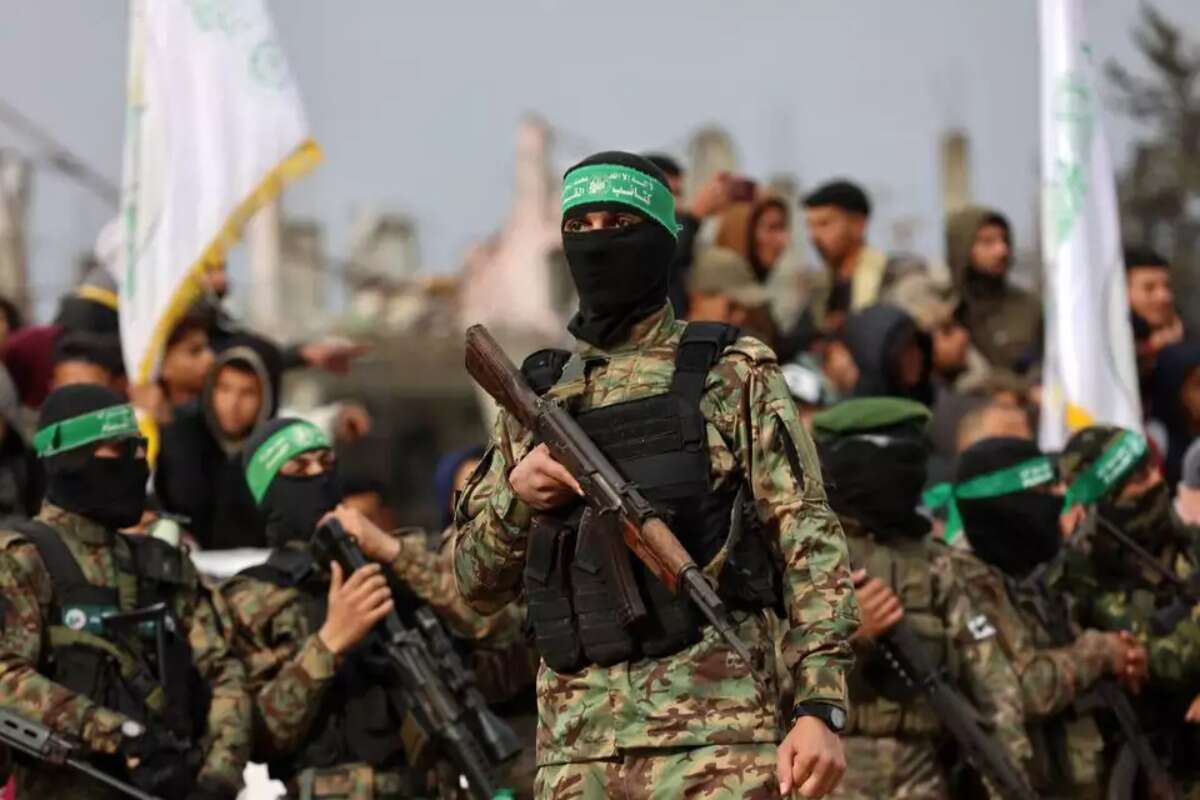
The most significant hurdle remains Hamas' categorical refusal to relinquish its weapons. The terrorist organization has floated alternative formulas such as "storing the weapons," "freezing the weapons," or refraining from using or displaying them. In each scenario, however, Hamas would retain its military capabilities and the option to resume terrorist activity at a time of its choosing.
To date, Hamas maintains more than 20,000 operatives and members in its military wing and internal policing mechanisms.
Osama Hamdan, a senior Hamas official based abroad, recently declared that the group would not lay down its arms until the complete end of what it calls the "occupation," referring to the State of Israel. In practical terms, that stance signals that Hamas' ambition to carry out further massacres has not disappeared. The organization also continues to use schools and hospitals as command centers and military positions, according to Israeli assessments.
Tough conditions for the technocrats
Beyond refusing to disarm, Hamas is also seeking to constrain the planned Palestinian technocratic committee that is supposed to assume administrative responsibilities in Gaza.
Hamas is demanding that members of its own police apparatus be integrated into the committee's security framework and continue receiving salaries. It is also insisting that the committee "focus on specific issues" and avoid confrontations with elements affiliated with Hamas.
In addition, Arab media reports say Hamas has vetoed Sami Nseman, who was slated to head the committee's security portfolio, citing his involvement in the killing of Islamic Jihad terrorists two decades ago. Critics view these demands as an effort to preserve Hamas' monopoly over policing and armed force in Gaza.

Complicating matters further, Hamas has established a parallel body that includes representatives of several terrorist organizations, led by senior Palestinian Islamic Jihad official Khaled al-Batash. The body, known as the "Follow-Up Committee of the National and Islamic Forces in Gaza," has declared that it intends to "oversee" the work of the technocratic committee.
Al-Batash recently said the technocrats' main role should be to deliver humanitarian aid and spearhead reconstruction efforts. He stressed that their mandate is not a "blank check" but contingent on tangible progress and the provision of basic services.
A source within the technocratic committee said the official date of its entry into Gaza would be announced after Thursday's Board of Peace meeting. "There is still no set date for entering Gaza, and it could take a week or a month," the source said, adding that the committee had received assurances of "good news" from the Washington summit.
Alongside governance issues, the Board of Peace is also expected to address the deployment and authority of international stabilization forces.
Indonesia's limitations
Indonesia recently announced preparations to deploy thousands of troops to Gaza as part of a proposed international stabilization force. According to an Indonesian military spokesman, the Muslim-majority country will prepare 1,000 soldiers by early April for possible deployment, pending a final decision by President Prabowo Subianto. By June, up to 8,000 troops could be ready for assignment.
However, Jakarta has made clear that its forces would not engage in combat operations. Indonesia's Foreign Ministry said the mandate would be limited to "non-combat humanitarian missions," and only with the consent of the Palestinian Authority. The troops would have no authority to disarm any faction.
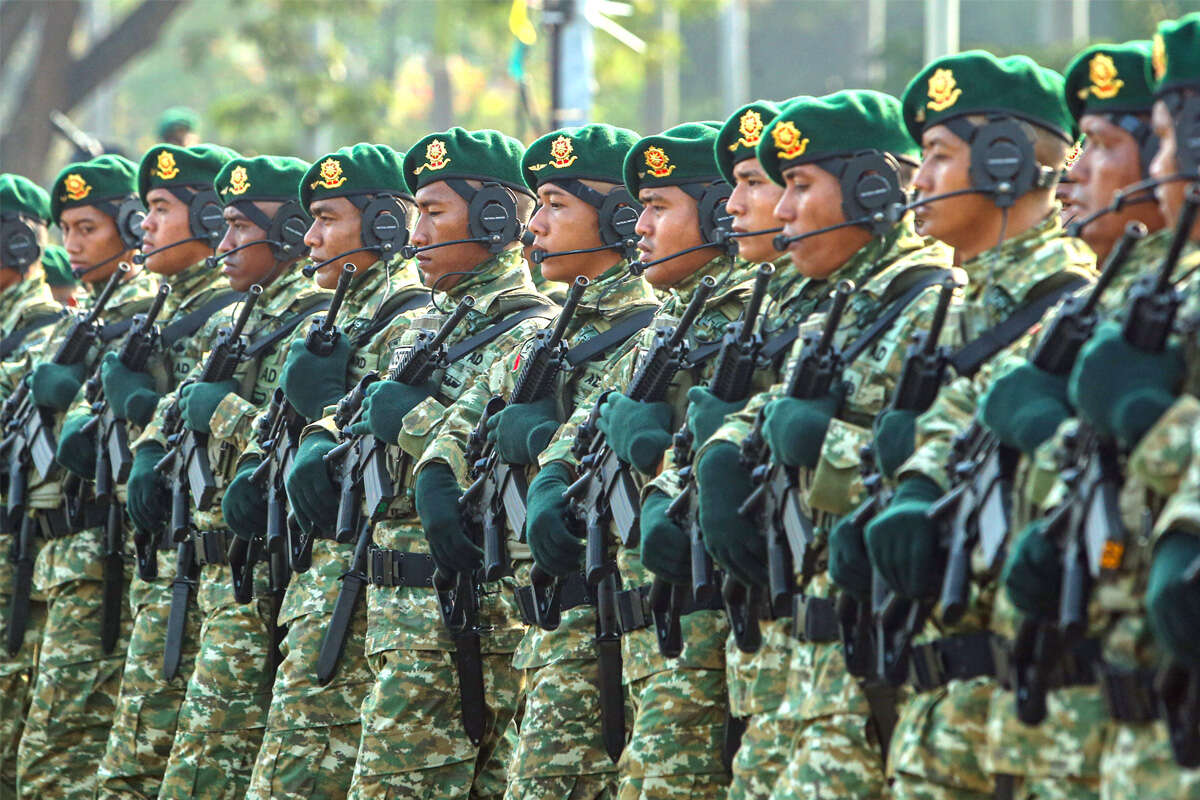
In effect, this means Indonesian forces would not be tasked with dismantling Hamas' military capabilities, leaving the central issue of disarmament unresolved. President Subianto is expected to travel to Washington to participate in the Peace Council's inaugural session chaired by Trump.
The rise of militias
Amid the uncertainty, armed militias opposed to Hamas have stepped up their activities. In recent weeks, Gaza has seen an escalation in operations carried out by gunmen led by former commanders in the Palestinian Authority's security apparatus.
Over the past 24 hours alone, residents reported militia operations in Shujaiyya in eastern Gaza City and in Beit Lahia in the northern Strip. At least five militias are currently active, stretching from east of Rafah in the south to the northeastern edge of the Strip.

"Hamas cannot dare to come near us. On the contrary, we will reach them, even into their tents," said Hossam al-Astal, head of an armed group in the Khan Younis area, in remarks published over the past day. "Our message to Hamas and to our people is clear – we promise to lift the oppression from you, and victory over Hamas is near."
Another militia leader in Rafah, Ghassan al-Duhaini, recently threatened to pursue and torture Hamas terrorists.
International officials are voicing growing concern about the future of the "red zone," areas that remain under Hamas' effective control beyond the designated lines inside Gaza. As of now, it remains unclear who is both willing and capable of collecting Hamas' weapons.
Given the glaring gap surrounding Gaza's demilitarization, it is increasingly plausible that local militias – backed heavily by Israel – could eventually be tasked with confronting Hamas and seizing its arms, a mission that no foreign actor appears eager to undertake.


