One sailor missed the death of his great grandfather. Another is considering leaving the Navy after spending nearly a year away from her toddler daughter. Two others said problems were discovered in the ship's sewage system. Behind the geopolitical headlines surrounding the arrival of the USS Gerald R. Ford in the Middle East lies a crew that has not seen home for months.
President Donald Trump decided to extend once again the deployment of the Ford's crew, a move that is exacting a steep personal price from sailors and their families. In interviews with The Wall Street Journal, some spoke of their longing for home and of milestones that will never be reclaimed.
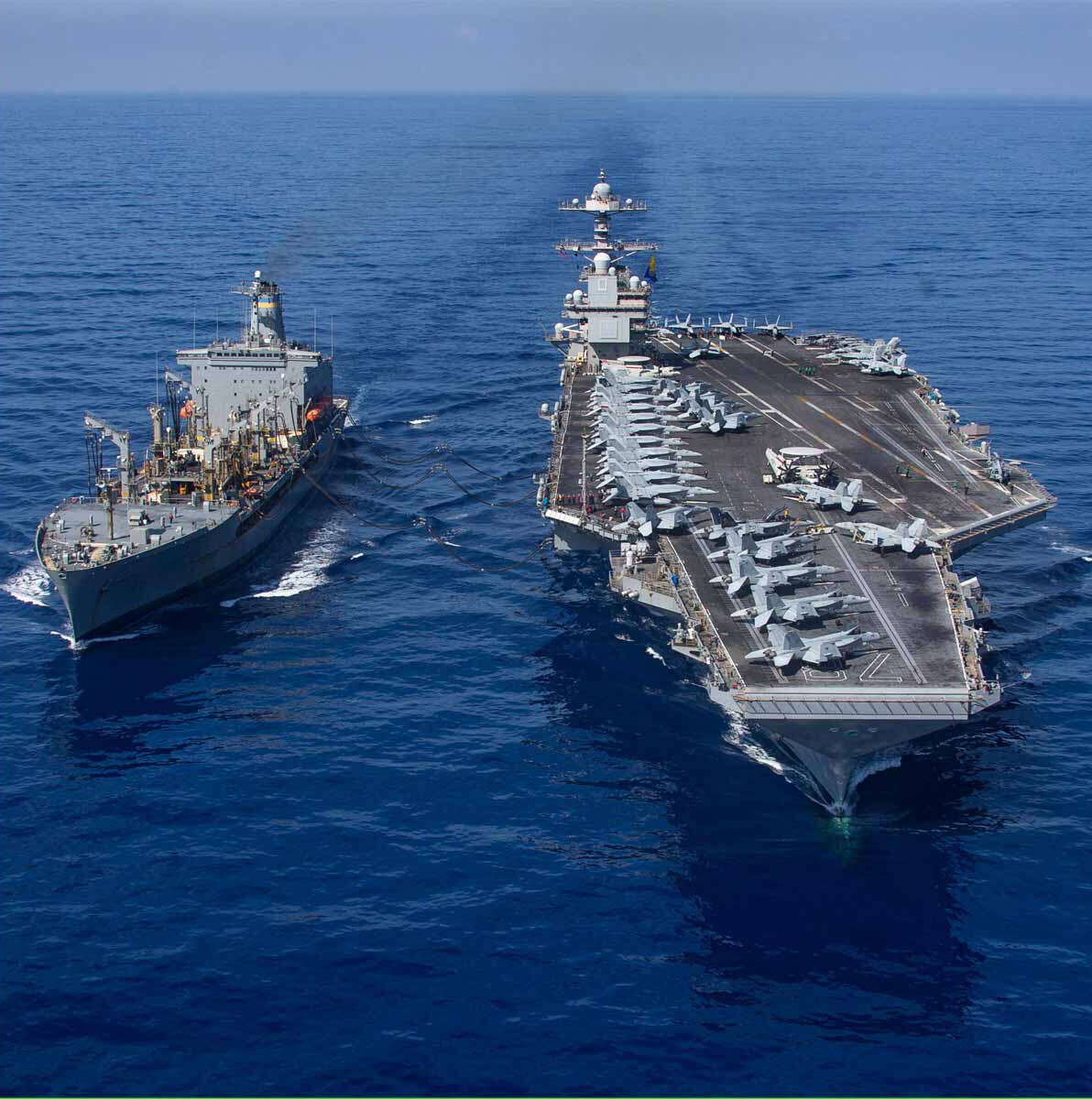
The Ford, the largest warship in the US fleet, has been at sea since June last year. In October, the War Department redirected it from a planned Caribbean mission to the Middle East. The carrier had previously been part of the support infrastructure for a special operation aimed at capturing former Venezuelan president Nicolas Maduro. Earlier this year, the crew was informed that their deployment would be extended again and that they would be sent back to the Middle East in case a US airstrike against Iran is carried out.
In peacetime, aircraft carrier deployments typically last six months, with planners leaving several additional months of flexibility in case of unforeseen developments, retired Rear Adm. Mark Montgomery told the Journal. The USS Gerald R. Ford's sailors have already been away from home for eight months, and the deployment could stretch to 11 months. If that happens, it would break the US Navy's record for the longest continuous carrier deployment.
The US Navy operates 11 aircraft carriers, all functioning according to schedules planned long in advance. At any given time, some are deployed to different regions around the world, others are engaged in training and others are undergoing maintenance. In addition to the Ford, the USS Abraham Lincoln and its strike group have also been dispatched to the Middle East.
One female sailor aboard the Ford told the Journal that many crew members feel anger and frustration, and some have said they intend to leave the service once the deployment ends. She herself is seriously considering doing so. She misses her daughter, but above all, she said, the uncertainty over when she will be able to return home is the most painful part.
Extended deployments can mean missing birthdays, weddings, funerals or even the birth of a child.
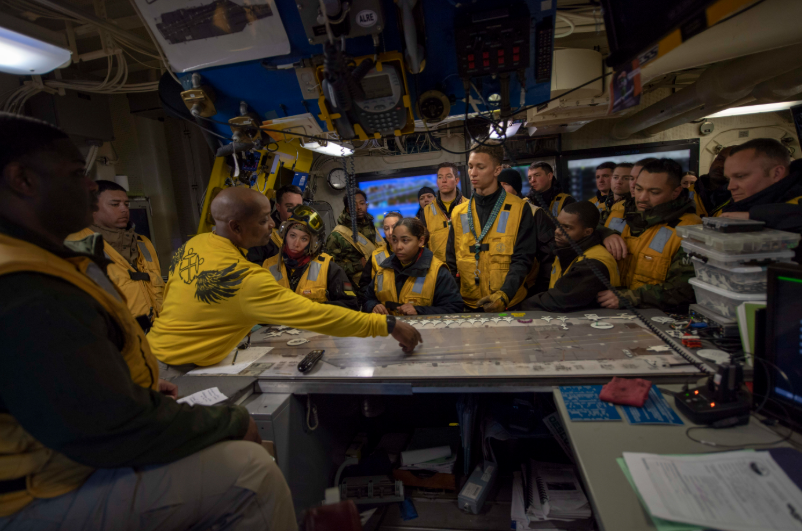
Not all members of the roughly 5,000 strong crew accept the sacrifice without reservation. Many of the sailors aboard the Ford are in their early twenties and miss their parents and home cooked meals. Others are parents themselves. They try to stay in touch through phone calls and WhatsApp messages, but the secrecy surrounding aircraft carrier movements means communication is often sporadic and unpredictable.
Some sailors see prolonged periods away from home as an integral part of military service. One told the Journal that although the extension was difficult and fatigue is evident throughout the ship, every sailor knew what they were signing up for when they enlisted. Their mission, he said, is to ensure that war does not reach the home front, and that sometimes requires long and demanding deployments.
If anyone feels the strain acutely, it is those left behind. Rozrin McGee, whose husband is serving aboard the Ford, said she has been alone for eight months while he remains at sea. Communication is sporadic and fragmented. She regularly sends him letters and small care packages containing snacks and items to remind him of the home awaiting his return. "When I heard that Donald Trump had decided to extend the crew's deployment, my heart broke," she said.
The Ford is the newest aircraft carrier in the US Navy and the first built in the Ford class. It entered service in 2022 and first saw operational activity when it sailed to the Mediterranean to help protect Israel following the October 7 Hamas terrorist attack. Compared with the previous Nimitz class, Ford class carriers can sustain a much higher sortie rate, operate with a smaller crew and rely on significantly greater automation for launching and maintaining aircraft.
The Gerald R. Ford leads a task force that includes missile destroyers and cruisers capable of firing dozens of cruise missiles at targets hundreds of kilometers away and intercepting ballistic missiles, drones and cruise missiles with high precision. These ships could provide an additional layer of defense against Iran's missile capabilities.