


The "career personnel crisis in the IDF" is no longer an empty slogan. It has become a direct and acute threat to the national security of the State of Israel, no less serious than the Iranian threat. Tanks and fighter jets alone do not win wars. Decisive achievements are always secured by the men and women who operate them, generate targets, guide aircraft, and maintain them on the flight line or in workshops.
The backbone of the military is its career service corps. Career personnel train and command conscripts and reservists and are ultimately responsible for carrying out every mission. In today's IDF, there is a shortage of high-quality career soldiers, both officers and noncommissioned officers, particularly at the ranks of captain and major.
Compromising on senior appointments
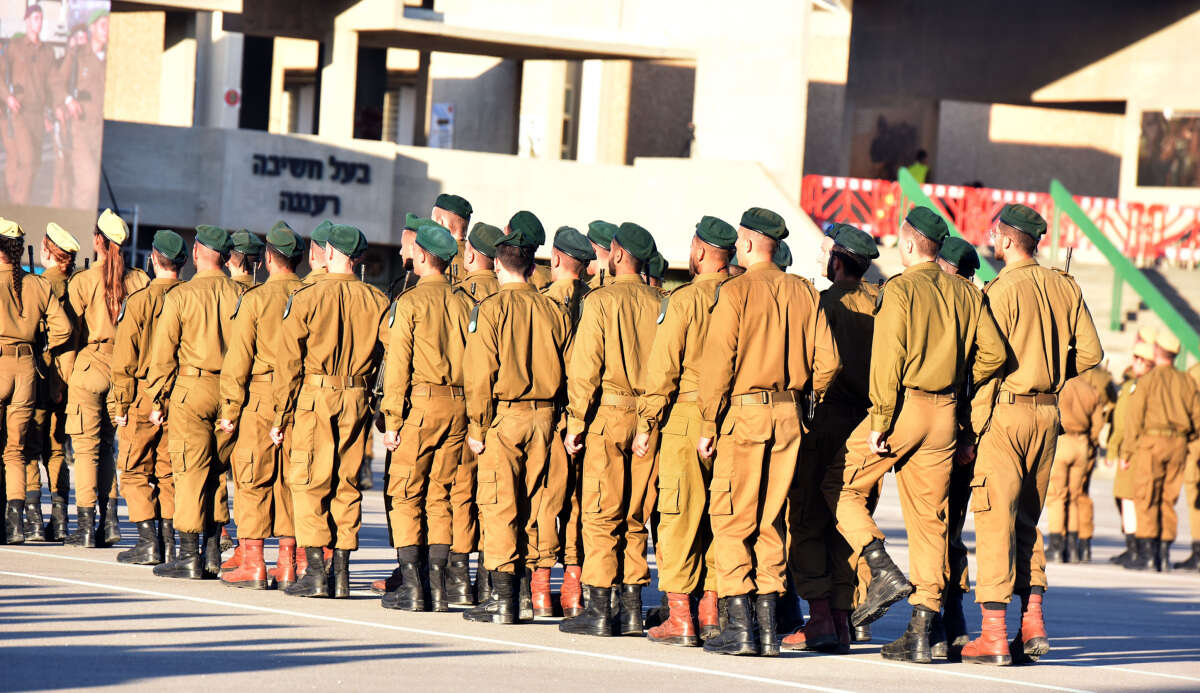
The shortage stems from a mass departure trend that began even before the war and has since intensified, as well as from the high number of casualties among officers during the fighting. The problem is compounded by the army's simultaneous need to expand its ranks in the wake of lessons learned from the war and to establish new units.
The direct result is that the IDF is sometimes forced to compromise on the quality and experience of those promoted, a move that could have long-term consequences.
IDF data show that 2025 ended with 543 majors leaving the service voluntarily, compared to 550 in 2024 and 428 in 2023, a year in which resignations were temporarily curbed because of the war.
However, the IDF entered the war already mired in a deep crisis within its career ranks. In 2022, 609 majors left the army. In both 2024 and 2025, approximately 4,100 captains left the service each year.
At the rank of lieutenant colonel, the number of departures is lower, but between 2023 and 2024 there was an approximately 30% increase in resignations at that rank, followed by a roughly 50% increase between 2024 and 2025.
Officers wounded and removed from futy
To the shortages caused by mass resignations and the expansion of the army must be added the disproportionate number of casualties among commanders who led from the front, shouting "Follow me" as they charged at the head of their troops. Many of them are no longer fit for duty, further deepening the manpower gap.
Even those commanders who were not physically injured have suffered significant burnout after two years of intense combat. To provide them with necessary respite, the IDF has sent many to academic studies or reassigned them to less demanding roles outside the operational core.
The worsening resignation trend follows years in which the IDF itself closed units and dismissed thousands of career personnel, reflecting public sentiment and firm demands from the Finance Ministry to cut the standing army and divert resources to non-defense sectors.
As is now well known, the reality that struck Israel on October 7 forced the IDF to pivot sharply, establish new units, reopen previously shuttered ones and reinforce formations that had been thinned out. Before the war, the IDF had just over 40,000 career personnel. Now, at the current stage of the war, which some say has effectively ended, the number stands at around 50,000. Some are on short-term career contracts, a direct result of the shortage of regular conscript combat soldiers. The expansion includes roughly 600 new standard senior officer positions, mainly at the ranks of major and lieutenant colonel, and about 500 new noncommissioned officer posts.
Fewer candidates per position
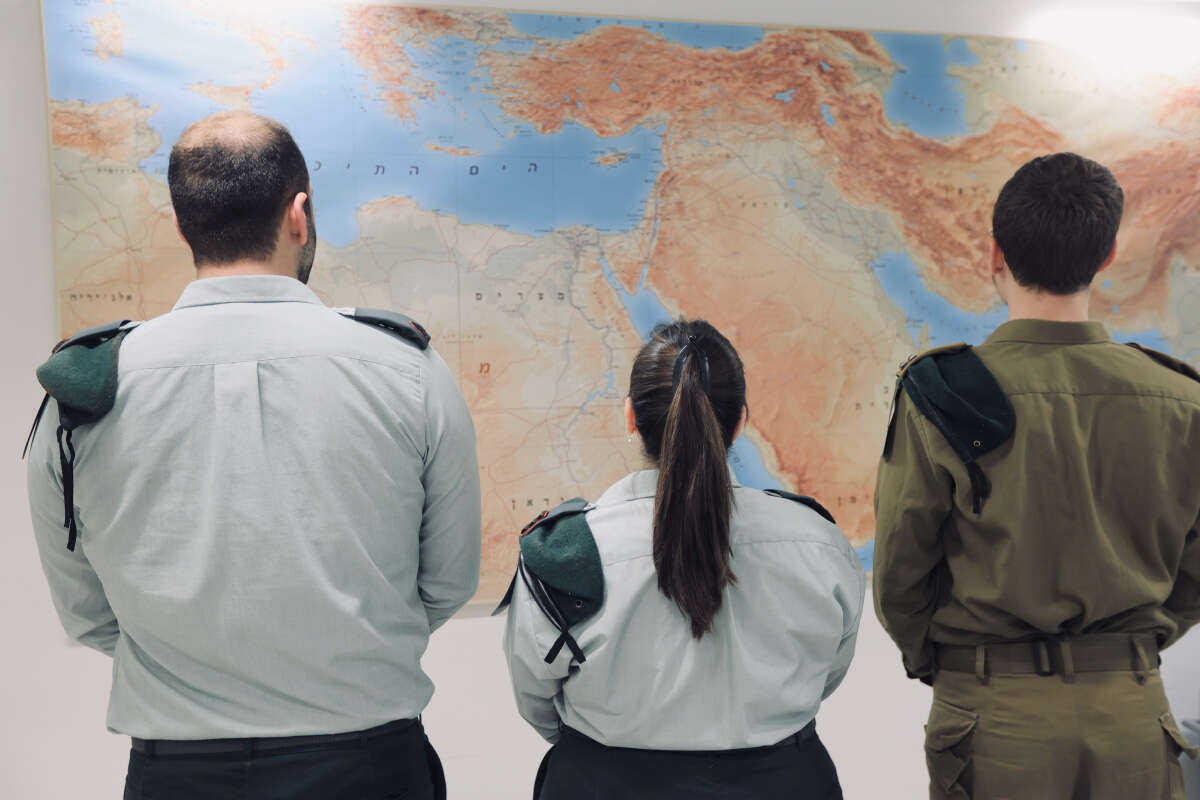
The simultaneous trend of rising departures and the growth of the career army has led to a steady decline in the IDF's candidate-to-position ratio. In other words, the pool of candidates is shrinking. In some cases, there is only a single contender for a given role.
Moreover, to bridge the gap, officers are being promoted earlier, before they are fully ready for the responsibilities involved. This only exacerbates the problem: they burn out faster, and the IDF struggles to retain them.
To put the numbers in perspective, about four years ago roughly 800 officers competed for around 400 lieutenant colonel positions. Today, the same number of positions attracts only about 500 candidates, an average of 1.25 candidates per opening.
Majors, too, are being promoted more quickly and often lack sufficient experience. As a result, even if most positions in the IDF are currently filled, there is no guarantee that they are staffed by the most qualified, suitable and experienced officers available.


