


As the aircraft carrier USS Gerald R. Ford makes its way toward the eastern Mediterranean, near Israel's coast, US refueling planes are stationed at Ben-Gurion Airport and the world's most advanced fighter jet, the F-22 Raptor, has been spotted at Ovda Air Force Base in southern Israel in satellite images. Taken together, the reports, imagery and official statements suggest that the US military has completed preparations in case President Donald Trump orders military action against the Islamic Republic of Iran.
The scale of the buildup appears to be the largest in the region since the 2003 Gulf War.
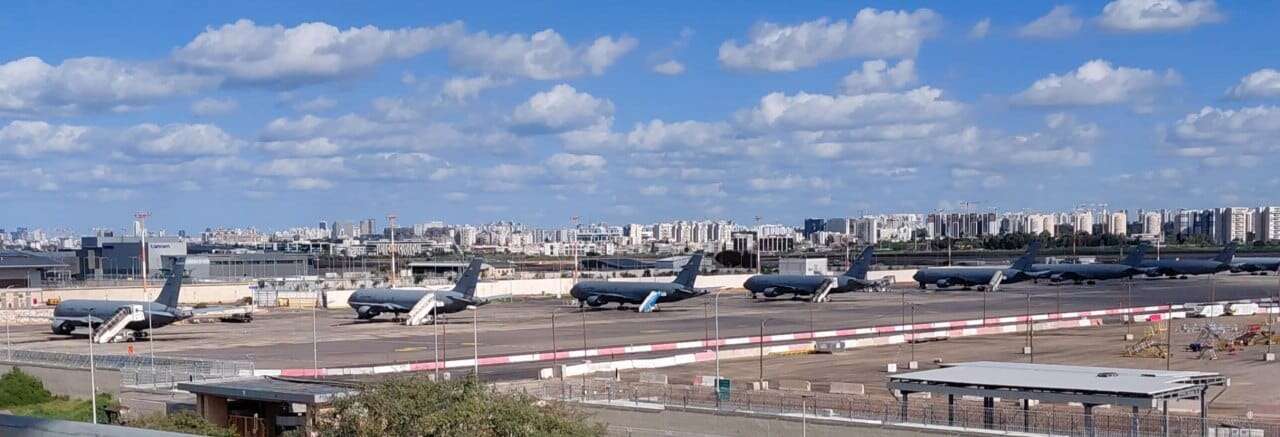
In Israel, in what is considered a highly unusual move, both offensive and defensive US assets have been deployed. Eleven F-22 Raptors have been stationed at Ovda Airbase in southern Israel. Satellite images from the Chinese company MizarVision show the aircraft at the base, including on taxiways in photos published Thursday. US refueling aircraft have also been observed at Ben-Gurion Airport.
According to The New York Times, the Trump administration is weighing two options: a limited strike on Iran's nuclear and missile facilities aimed at forcing Tehran back to the negotiating table, an option reportedly preferred by Trump, or a broader campaign against multiple targets, including a possible attempt to topple Supreme Leader Ayatollah Ali Khamenei's regime. If Iran does not yield following a limited strike, Trump could escalate to the wider option, the report said.
Naval power
At the heart of the US reinforcement are two aircraft carriers that have entered the region amid rising tensions, after a period during which no US carrier was present.
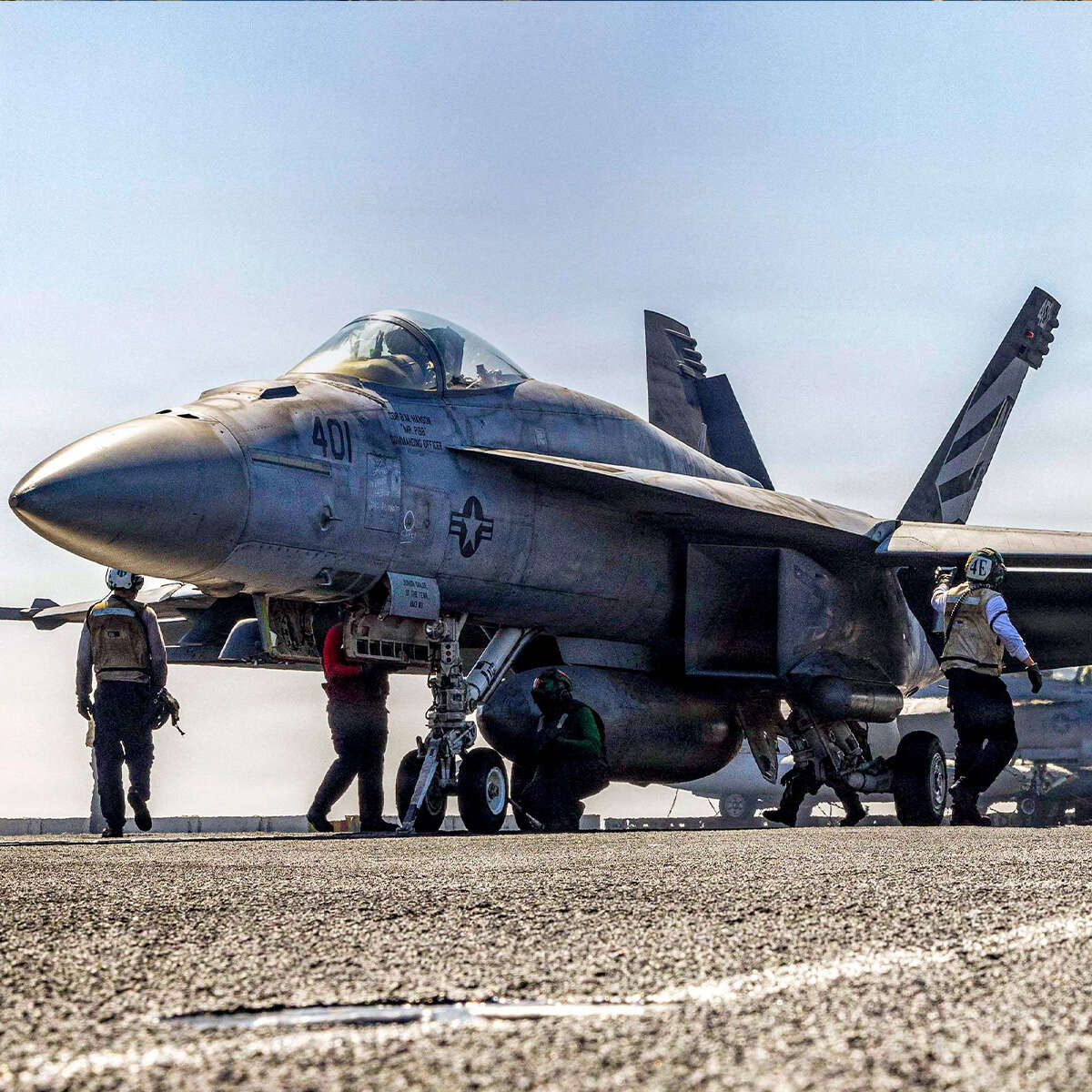
The USS Gerald R. Ford, the largest and most advanced aircraft carrier in the world, left Crete on Thursday en route to the eastern Mediterranean. According to sources who spoke with The New York Times, the carrier will deploy near Israel's shores to help defend against potential Iranian retaliation. On board are four F/A-18 squadrons, an EA-18G Growler electronic warfare squadron, E-2D early warning aircraft and helicopters.

In the Arabian Sea, the USS Abraham Lincoln has been operating since late January, after being redeployed from the South China Sea following the suppression of protests in Iran that month. Its air wing includes F/A-18 squadrons, an F-35 squadron, EA-18G electronic warfare aircraft, E-2D early warning planes and helicopters.
The second pillar of the naval deployment comprises 13 Arleigh Burke-class guided-missile destroyers. Three are accompanying the Ford in the Mediterranean, two are with the Lincoln in the Arabian Sea, and eight are operating independently: two in the Persian Gulf near the Strait of Hormuz, three in the Arabian Sea, one in the Red Sea and two in the Mediterranean.
Each destroyer carries dozens of Tomahawk cruise missiles with a range of 2,500 kilometers (1,550 miles), enabling deep strikes inside Iran. Their Aegis missile defense systems are capable of intercepting ballistic and cruise missiles, a critical capability for defending the carriers, US bases and Israel.
The aerial "tsunami"
Since January, waves of aircraft including fighters, transport planes, aerial refueling tankers, reconnaissance aircraft and electronic warfare jets have flowed into US air bases across the region. What has been observed in the skies and in satellite images resembles what analysts describe as an aerial "tsunami."
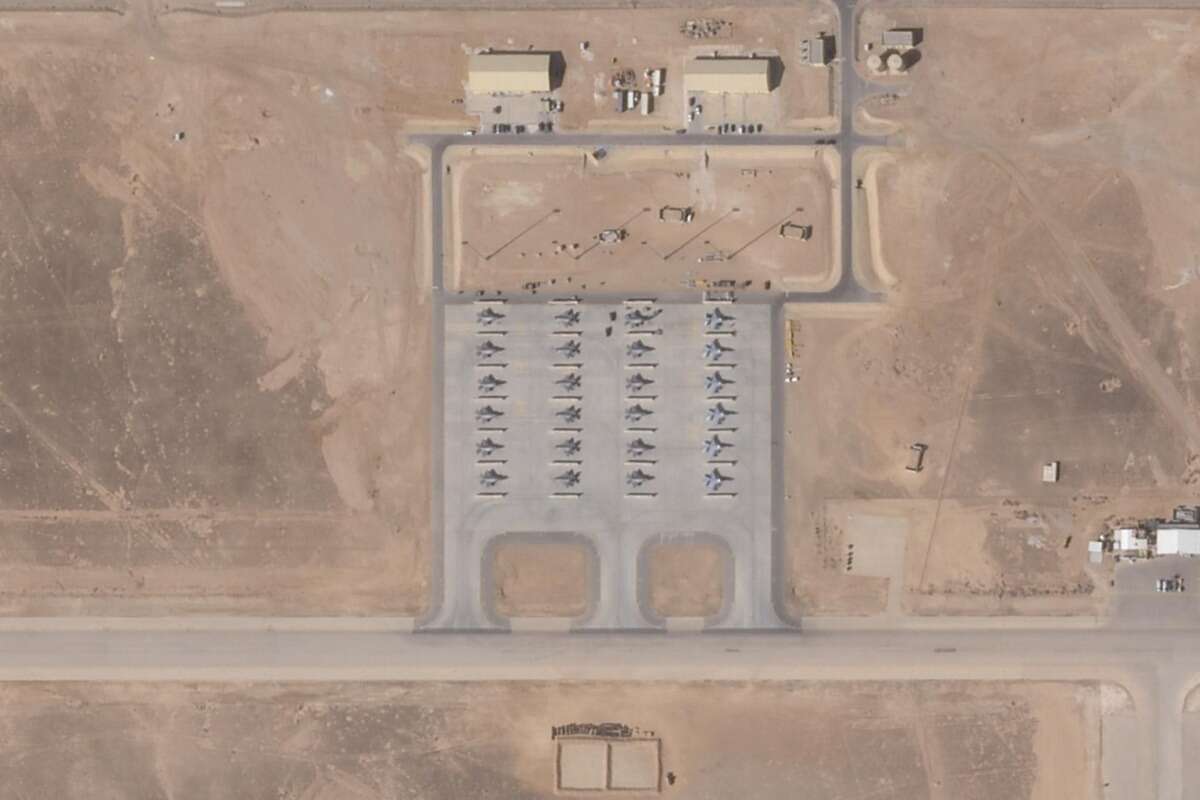
In Jordan, Muwaffaq al-Salti Air Base has become the Pentagon's most critical deployment hub after Saudi Arabia, the United Arab Emirates and other Gulf states reportedly refused to allow their airspace to be used for strikes on Iran. Satellite images taken by The Associated Press on Feb. 21 revealed more than 60 strike aircraft at the base, including F-35s, F-15E Strike Eagles and A-10 attack planes, alongside dozens of transport aircraft and EA-18G electronic warfare jets. The true number is likely higher, as some aircraft are parked in hangars and underground shelters not visible in the images.
At Prince Sultan Air Base in Saudi Arabia, 22 aircraft were recently documented: 16 refueling planes, six E-3 airborne warning and control aircraft and various transport planes. These assets are considered critical. The refueling aircraft enable fighter jets to conduct long-range sorties deep into Iran and return safely, while the command-and-control planes provide the aerial battle picture and manage operations.
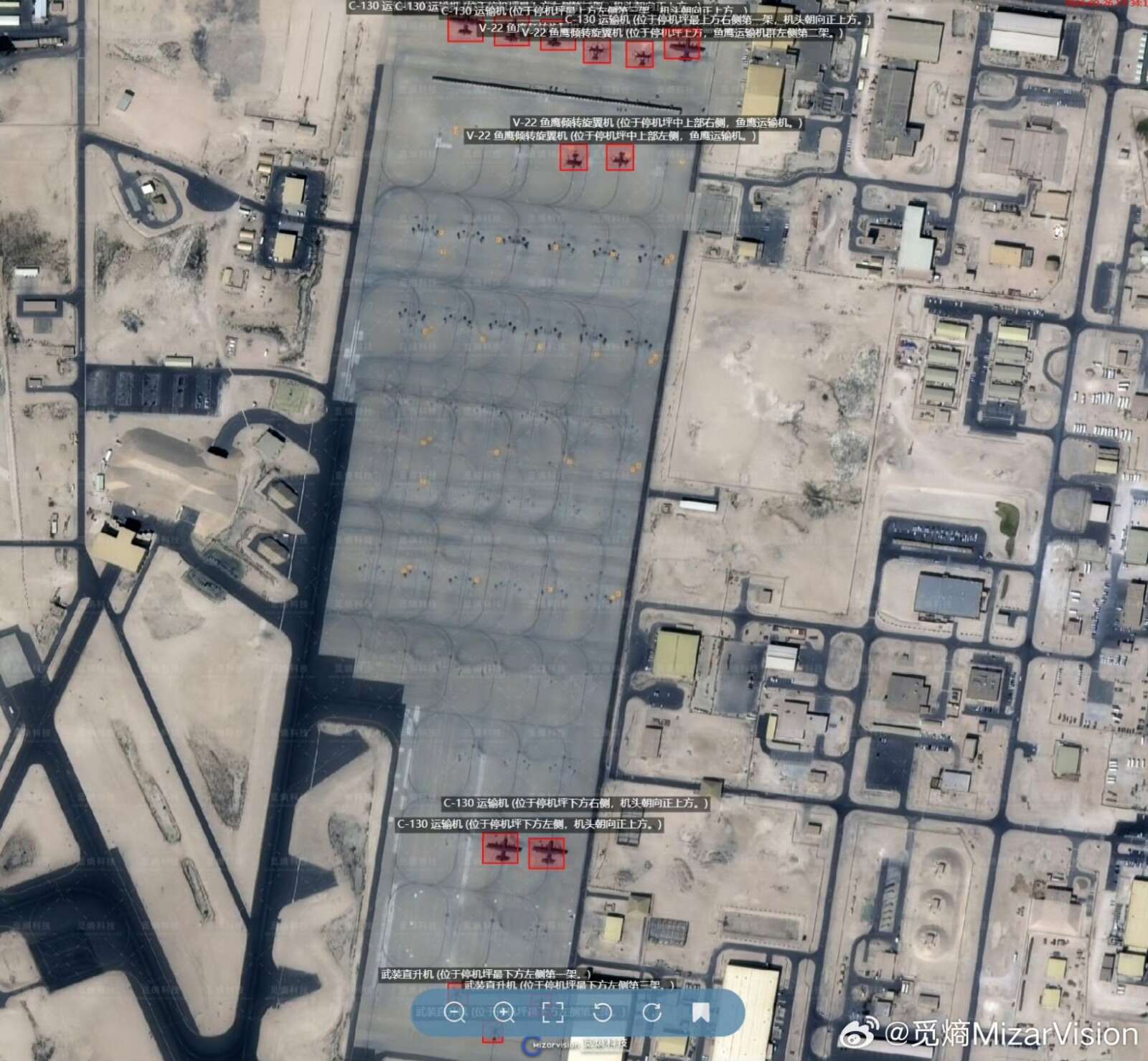
At Al-Udeid Air Base in Qatar, home to US Central Command's regional headquarters and the largest US base in the Middle East, the trend appears reversed. An analysis of satellite images showed that refueling aircraft were gradually evacuated from the base, from 15 planes on Feb. 9 to none by Feb. 26. The move likely reflects an effort to relocate key air assets to less vulnerable positions, as the base is exposed to potential Iranian attacks, demonstrated in Operation Midnight Hammer in June. What remains at Al-Udeid are primarily transport aircraft, V-22 Osprey tiltrotor aircraft and attack helicopters.
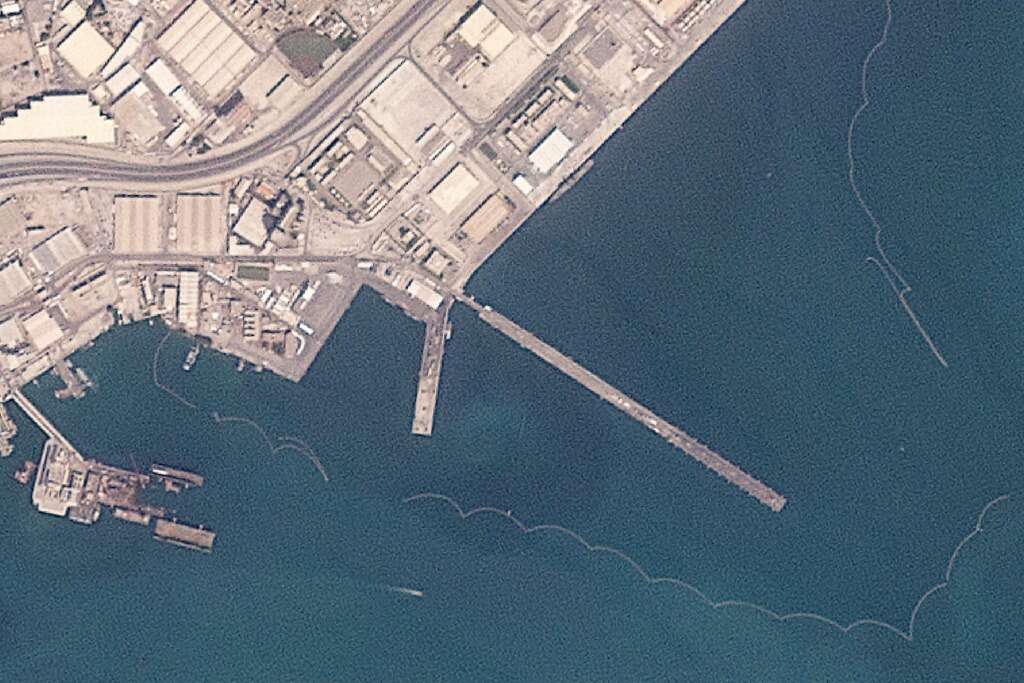
Beyond Qatar, the US maintains a presence at additional bases across the Gulf. In Bahrain, home to the US Fifth Fleet, which operates from the Strait of Hormuz to the Red Sea, satellite images taken Tuesday and Wednesday by Planet Labs and analyzed by The Associated Press showed that all US naval vessels normally docked at the base had moved out to open sea. An image from Saturday showed ships moored at the pier; by Tuesday, the pier appeared completely empty. The Fifth Fleet referred inquiries to US Central Command, which declined to comment.
In the United Arab Emirates, Al-Dhafra Air Base remains operational, though Emirati officials, like their Saudi counterparts, have made clear they will not allow their territory to be used for an attack. In Oman, air force bases and ports could provide logistical support to the Abraham Lincoln carrier strike group operating in the nearby Arabian Sea.
In Crete, the naval base at Souda Bay is serving as a logistics hub. The Ford docked there for four days for resupply before departing Thursday toward Israel's coast. F-35s, A-10s and refueling aircraft were observed at the base. Beyond its role as a staging point, Souda Bay could function as a central node in an aerial "refueling bridge," a chain of tanker aircraft stretching from Europe to the Middle East, allowing fighter jets to move into the theater without landing.
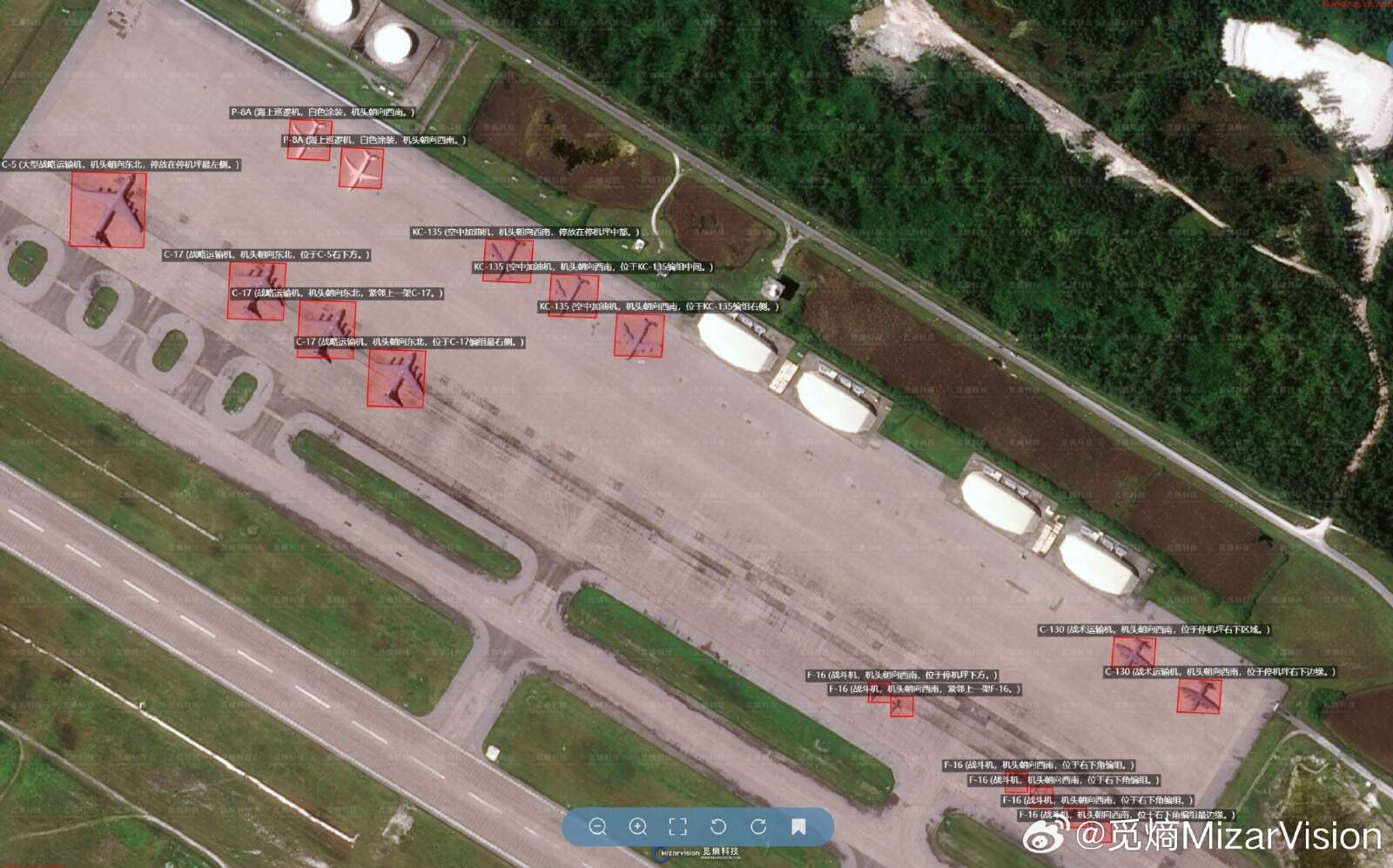
On Diego Garcia, a strategic US base in the Indian Ocean, preparations suggest the facility could receive strategic bombers. Satellite imagery from MizarVision dated Feb. 26 shows six F-16 fighter jets deployed to the island, along with three refueling aircraft, two maritime patrol planes, various transport aircraft and an Arleigh Burke-class destroyer docked at the pier.
Alongside its offensive posture, the US has deployed THAAD and Patriot missile defense batteries at bases across the region, from Jordan to Qatar, reflecting the understanding that in the event of a strike on Iran, US installations themselves could become targets, as occurred during Operation Midnight Hammer and as Tehran has publicly warned.


