


The Israeli Air Force struck more than 400 targets belonging to the Iranian regime in western Iran on Friday, including ballistic missile launchers and drone storage facilities. According to the IDF, the decline in the number of missiles launched at Israel is largely the result of damage inflicted on Iran's launcher network.
Air Force aircraft continued to operate across western Iran throughout the day, dropping numerous munitions on more than 400 regime targets in several areas. Among the sites hit were ballistic missile launchers and warehouses storing unmanned aerial vehicles.
During one of the strikes, an Israeli Air Force aircraft identified a truck carrying an Iranian regime air defense system in the Shahroud area as it attempted to move the system to another position inside Iran. After the vehicle was detected, it was attacked and the air defense system was destroyed.
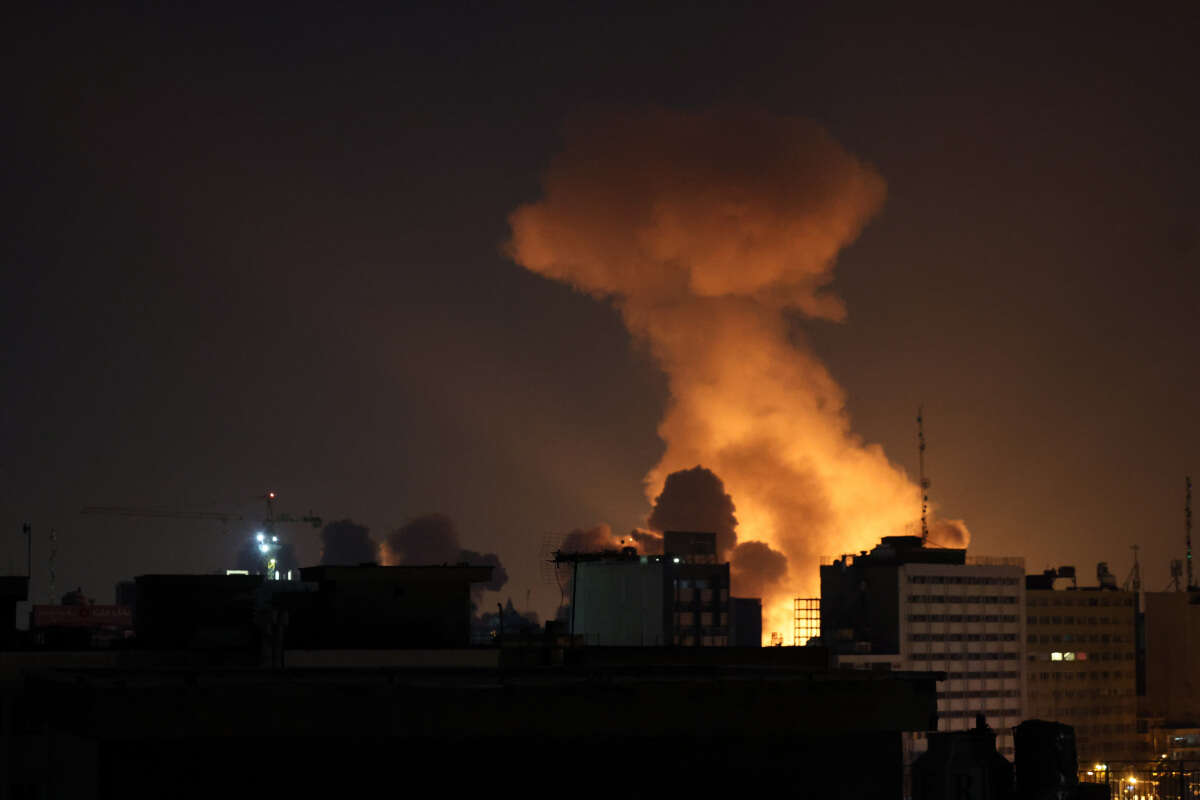
The IDF said that since the beginning of Operation Roaring Lion, its fighter jets have carried out about 2,600 sorties in 150 strike waves, dropping roughly 6,500 munitions. By comparison, in Operation Rising Lion last year, about 4,500 munitions have been deployed in total.
According to Israeli military assessments, more than 60% of Iran's missile launchers have already been neutralized, with some destroyed and others rendered unusable. Israeli officials estimate that Iran still possesses between 100 and 200 active launchers, and the IDF continues to operate against them.
Israeli security officials say the reduced scale of missile fire toward Israel is largely the result of damage to the launcher infrastructure. At the same time, the Israeli military has intensified strikes against regime targets and core components of the Iranian government's power structure.
Alongside the fighting in Iran, Israeli strikes are continuing in Lebanon. The IDF said about 500 Hezbollah terrorist organization targets have been attacked so far, including launchers, weapons and infrastructure belonging to the Radwan Force. On Friday, 10 targets were also struck in the Dahiyeh district of Beirut, including buildings used as command rooms and facilities for manufacturing drones.
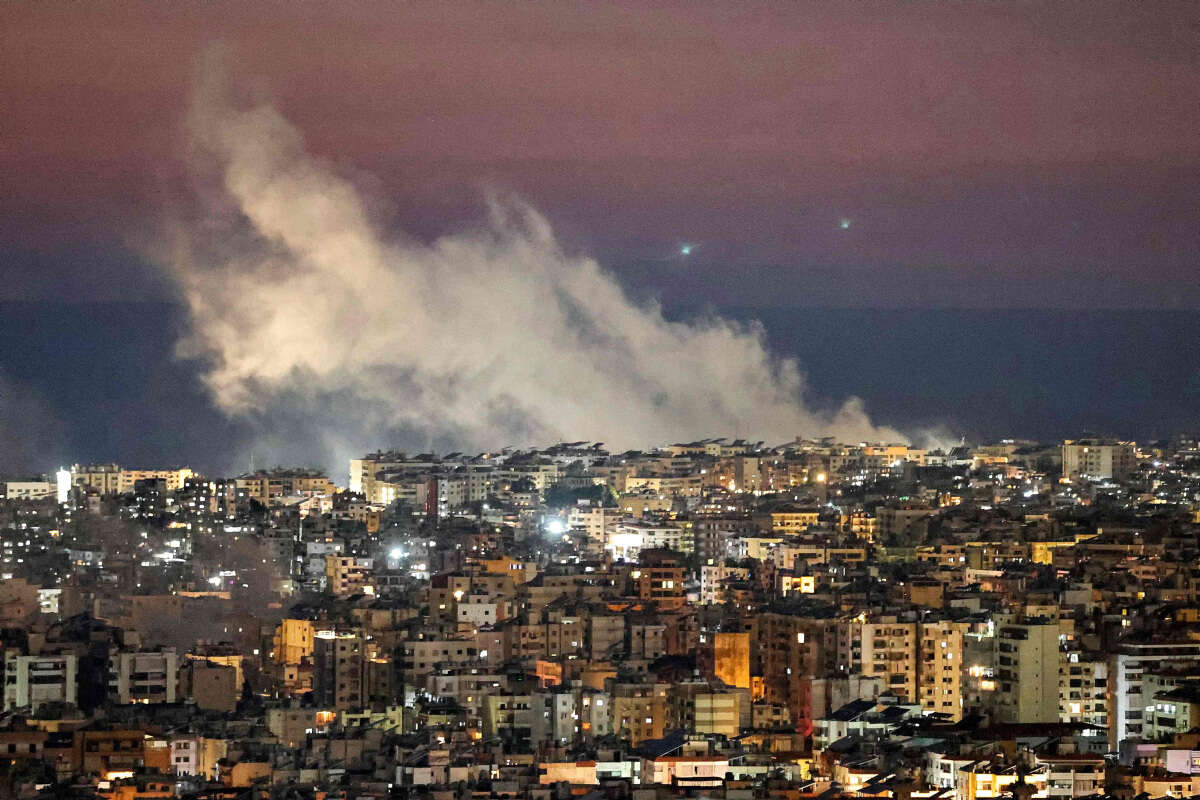
The IDF is also assessing the results of the strike on an underground bunker belonging to the Iranian regime. In addition, reports indicated that Ali Asghar Hijazi, described as one of the figures closest to Supreme Leader Ayatollah Ali Khamenei, was killed in the attacks. Israeli military officials said Hijazi served as a close confidant of Khamenei and that if his death is confirmed, it would represent a significant blow to the regime's leadership.
Meanwhile, waves of Israeli Air Force strikes against Iranian military industries and weapons production facilities are continuing, with the stated aim of reducing as much as possible the scale of missile fire directed at the territory of the State of Israel.


