


Iran's attempted strike on the US-British military base at Diego Garcia – located about 4,000 kilometers (2,485 miles) from Iran – has fueled Israeli claims that Tehran holds weapons capable of reaching London, Paris, or Berlin, igniting a political storm in London.
Secretary of State for Housing, Communities and Local Government Steve Reed made clear Sunday, in interviews with Sky News and the BBC, that Britain is determined to keep its distance from the war – despite reports of Iranian attacks on British bases and direct threats against European capitals.
Reed addressed US President Donald Trump's threats to "obliterate" Iran's energy infrastructure if the Strait of Hormuz is not reopened, noting that the president "speaks for himself."
He said Britain would not be drawn into the war but would act to protect its interests in the region and work with its allies to de-escalate tensions.
Responding to Israeli claims that Iran possesses weapons capable of reaching London, Paris, or Berlin, Reed said there was no assessment confirming that Tehran has such a plan or capability. He nonetheless emphasized, "We have systems and defenses in place to keep the United Kingdom safe." The minister confirmed that, according to the government's assessment, Iran fired two missiles at Diego Garcia; one failed and the other was intercepted.

The Conservative opposition
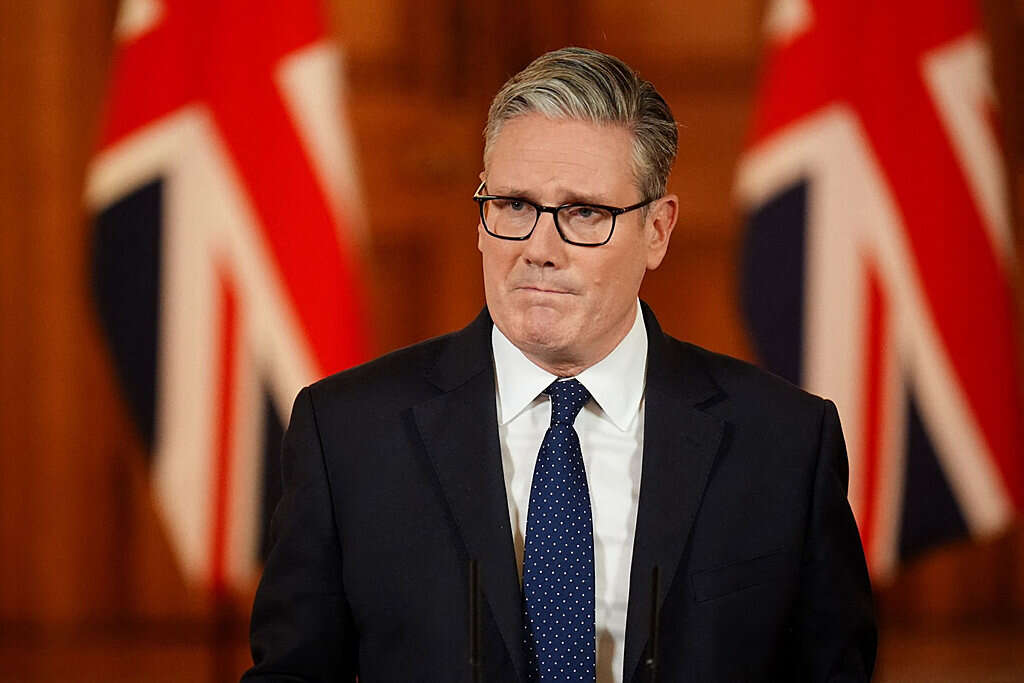
Former Foreign Secretary James Cleverly, now serving as Shadow Secretary of State for Housing, sharply attacked Prime Minister Keir Starmer's handling of the crisis. "Starmer's 'keep out of it' Iran strategy hasn't worked," Cleverly told Trevor Phillips. "We have pushed away some of our closest allies in the world."
Cleverly argued that Britain's decision to limit its involvement to defensive operations only was misguided. "When our British nationals are being targeted, when our military bases our being targted... it is a defensive action to take a military action in response to that." He added that the Conservative position had been clear from the start: the US should be permitted to use assets stationed at British bases to support the war effort.
The crisis with the White House
Tensions between London and Washington came to a head after President Trump called the British "cowards" for refusing to join the offensive. Reed dismissed the accusation, describing it as language Trump chooses to use, but stressed that the "special relationship" between the two countries is strong enough to survive such disagreements. "The prime minister has assessed the situation and the British people are behind him – it is not in our interest to join this war," Reed concluded. Cleverly, for his part, called Trump's words "deeply unfair" but argued that Starmer's indecisiveness had contributed to that impression in Washington.


