


Another diplomatic effort by the Gulf states to condemn Iran's aggression at the UN Security Council is expected to face a key test on Saturday, after a similar move last month won the backing of more than two-thirds of UN member states.
The new resolution deals with reopening the Strait of Hormuz, following weeks of intensive contacts and attempts to formulate agreed language among the major powers. According to a report in The New York Times, the draft has already gone through four different versions, each reflecting an effort to bridge deep gaps between the Gulf states, which are pushing for tough steps against the ayatollahs' regime, and Russia, China and France, which oppose authorizing the use of force.
The debate comes against the backdrop of Iran's closure of the Strait of Hormuz after war broke out with the US and Israel, a move that sent shockwaves through energy markets and drove up oil prices and marine insurance costs. About one-fifth of the world's oil and gas passes through the strait, and the disruption has already forced countries such as Qatar to halt gas production and declare force majeure, with losses amounting to billions of dollars. At the same time, Iran carried out a series of attacks against Gulf states, hitting civilian and military infrastructure and causing casualties.
'Stop the attacks'
The updated draft resolution seeks to "reaffirm the principle of freedom of navigation" in the Strait of Hormuz and to grant member states authority to act in order to "ensure the safe passage of vessels." At the same time, the resolution explicitly calls on Iran to "immediately cease attacks on civilian vessels" and "any attempt to disrupt freedom of navigation." It also broadens the demand to end harm to "vital civilian infrastructure," including water, desalination, oil and gas facilities. In addition, it encourages "the escorting of commercial vessels," establishes "regular reporting mechanisms to the Security Council," and stresses that any action would be taken "in accordance with international law."

By all means necessary
Even so, the core dispute remains the question of the use of force. A comparison of the various draft texts obtained by Israel Hayom shows that the earlier versions included authorization for the use of "all necessary means" under Chapter VII of the UN Charter, a framework that allows the Security Council to approve binding measures, including military force or sanctions, as it did in resolutions against Iraq after its invasion of Kuwait in the First Gulf War, and in the context of the international intervention in Libya.
But following opposition from Moscow, Beijing and Paris, the language was softened. The reference to Chapter VII was removed, the emphasis shifted to "defensive" means only, explicit references to sanctions were dropped, and oversight mechanisms and time limits on any action were added. At the same time, the resolution was expanded to include threats in other arenas, chiefly Bab el-Mandeb, as well as a call for de-escalation and a return to a diplomatic track.
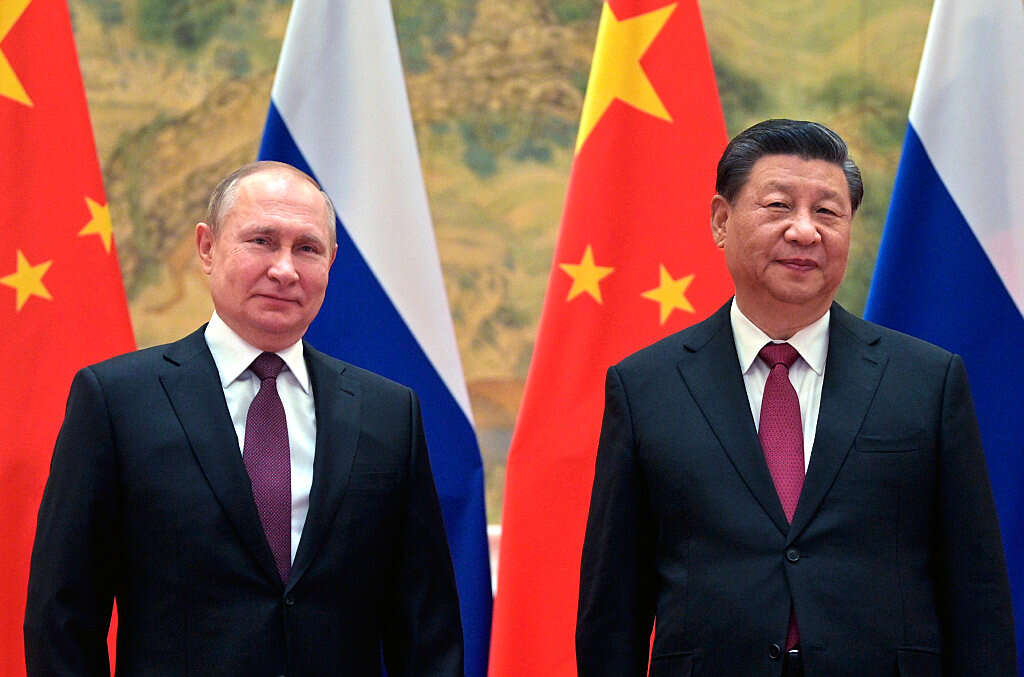
Despite early assessments that Moscow, Beijing and Paris were likely to veto the resolution, a diplomatic source familiar with the details who spoke with Israel Hayom said that at this stage the chances of approval remained low, but still existed, because of the significant softening of the language over weeks of negotiations. According to the source, Paris is prepared to withdraw its opposition in light of the diluted wording, Moscow is expected to veto unless further changes are made, and Beijing's position remains unclear for now.


