


After retreating from the ultimatum it had set, Iran began a new round of talks on Saturday in Islamabad with a US delegation, under Pakistani mediation.
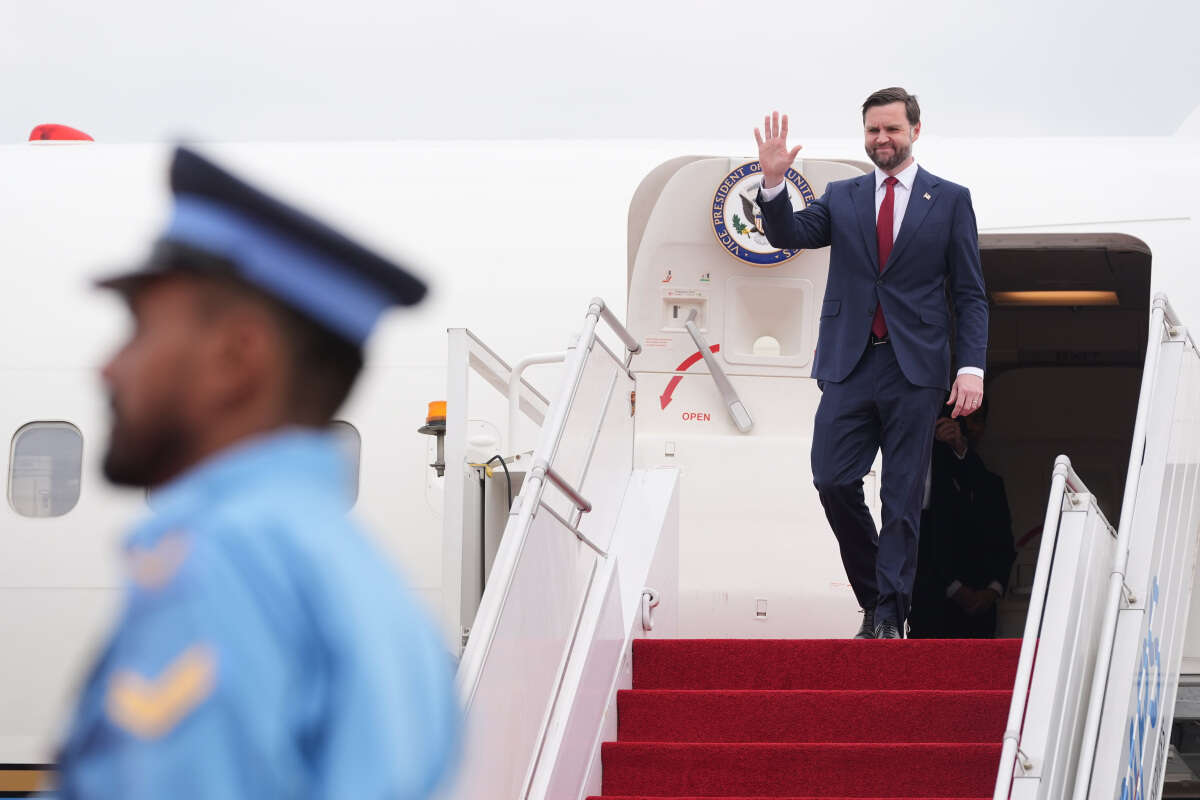
The negotiations opened with separate meetings between the delegations and the mediation team, which includes Pakistan's army chief, Field Marshal Asim Munir, and Foreign Minister Ishaq Dar. The US delegation includes Vice President JD Vance and envoys Steve Witkoff and Jared Kushner, while the Iranian side is represented by Parliament Speaker Mohammad Bagher Ghalibaf, Foreign Minister Abbas Araghchi and Vice President Mohammad Reza Aref.
Iran's Tasnim news agency reported that the talks between the US and Iranian delegations had entered technical discussions and detailed talks on certain issues. It also reported that experts from both sides were examining the details. According to Tasnim, the talks may be extended by an additional day to allow the expert-level discussions to continue.

A compromise on the nuclear issue
Despite the harsh rhetoric coming out of Tehran, a source familiar with the contacts held so far told Israel Hayom that surprising progress had been made: Iran's political leadership had put forward relatively conciliatory positions on the nuclear issue, to the point that the matter now appears capable of being resolved. In the initial meetings, the Iranians did not address uranium enrichment at all, instead focusing on demands for compensation for the damage caused by the strikes, guarantees of a long-term ceasefire through the UN Security Council, and an attempt to change the status of the Strait of Hormuz.
The Americans, for their part, laid down clear red lines. Israel Hayom has learned that the US made clear in advance that the issue of the Strait of Hormuz was not up for discussion, and that the critical waterway had to return to its state before the war. According to Gulf sources, President Trump personally gave that assurance to the region's leaders.
In addition, the US flatly rejected the Iranian demand to unfreeze assets as a condition for opening the talks. Diplomatic sources described Iran's claims on the matter as "false," and made clear that any release of funds, estimated at hundreds of billions of dollars frozen in part in the US and the United Arab Emirates, would be considered only at later stages and in accordance with progress in the negotiations.
Iran speaking in two voices
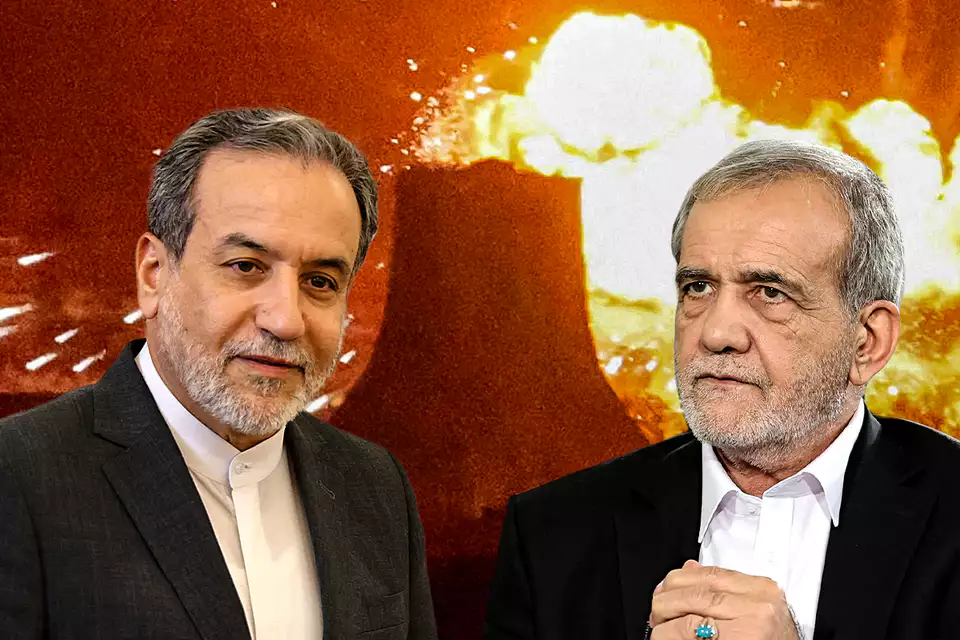
Sources involved in the talks point to troubling inconsistency on the Iranian side. While the political leadership has shown flexibility in the negotiating room, regime media outlets have been circulating false demands and conditions attributed to anonymous sources. "President Trump's remarks that Iran is speaking in two or three voices are absolutely correct," the source said, adding that this raises questions about the ability President Masoud Pezeshkian and Foreign Minister Araghchi to control the situation and implement understandings on the conservative camp and the Islamic Revolutionary Guard Corps.
From Israel's perspective, the nuclear issue, missiles and terrorist proxies remain at the top of the agenda. A senior Israeli political source stressed that there is no gap whatsoever between Israel's position and that of the US on these clauses. The ball is now in Iran's court: continued refusal could lead to tougher sanctions and the complete strangling of Iranian oil exports, while flexibility could bring about the gradual lifting of sanctions.


