

Fabricating genocide?
The truth has been turned on its head. Hamas, a genocidal terrorist organization whose charter calls for the murder of all Jews on the planet, this genocidal organization is given a pass.

The truth has been turned on its head. Hamas, a genocidal terrorist organization whose charter calls for the murder of all Jews on the planet, this genocidal organization is given a pass.
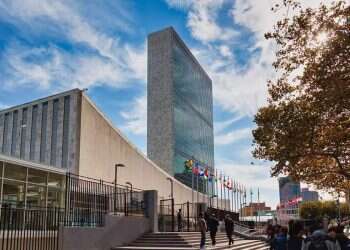
Western leaders face a dilemma: they seek a quick diplomatic win but in doing so, they undermine long-term regional stability. The coming years will likely see calibrated escalation increased militancy, emboldened terror groups, and the entrenchment of Hamas’s rule all under the legitimizing banner of statehood.

President Sisi faces an impossible calculus. His regime, one of the world's most authoritarian, is built on nationalist fervor and military control. By orchestrating confrontation, he diverts attention from profound domestic failures. Yet, this gambit risks triggering a conflict that could shatter Egypt's fragile economy and destabilize the entire region.
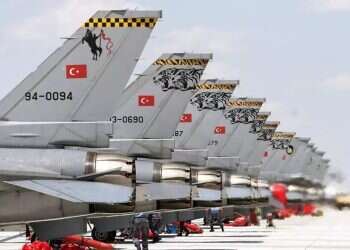
The war in Sudan has become more than just a regional tragedy; it is a challenge to international peace and security. The role of Turkish weapons in this picture forces a reevaluation of Ankara’s foreign policy.
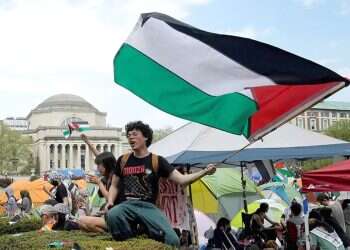
Despite the glaring and perilous flaws in the two-state paradigm, not everything that is not a two-state proposal is a better policy option. The “emirates” plan is a prime example of this.

Given France’s gruesome post-WW II colonial history—from North Africa through East Asia to Oceania—it has a feeble claim to any moral superiority and is hardly in a position to pontificate to Israel over Gaza.
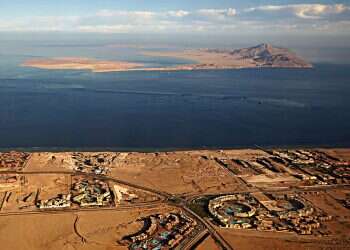
Red Sea stands at a crossroads of global strategic currents. For countries like Israel, which straddle the region’s nexus of trade and security, the stakes are high but nuanced: opportunities for cooperation exist alongside new vulnerabilities.
espite being a Muslim-majority country, Azerbaijan has cultivated a model of religious harmony. Its Jewish community – one of the oldest and most well-integrated in the Muslim world – continues to flourish, with synagogues, schools, and community centers receiving full state support.

The Eastern Mediterranean has once again become a focal point of global attention. Vast offshore gas discoveries—Israel’s Leviathan, Egypt’s Zohr, Cyprus’s Aphrodite—offered the promise of prosperity and cooperation. Yet instead of binding the region together, overlapping maritime claims, old rivalries, and new security threats have turned the basin into a contested region.

The opening of the Japanese market to US imports and the removal of tariffs on American products could boost growth in Japan and bring numerous other positive effects.