


It is still too early to analyze the results of the second Iran-Israel war, but there is no doubt that its end will have major diplomatic, military and economic ramifications, both regionally and globally.
This regime may decide that it needs a nuclear bomb in order to survive, that Iran can no longer remain a threshold state and must have a nuclear weapon like Pakistan and North Korea. The Iranian regime may also decide that it prefers several years of reconstruction and to postpone producing the bomb until a more convenient time.
Even so, under what is currently being defined as a ceasefire, and with the regime still in place, one thing can already be stated: it will not give up its ambition to destroy Israel or its practical efforts to achieve that goal. Operation Rising Lion did not uproot its satanic motivations.
The uranium issue
In the next two weeks, the US will conduct negotiations with Iran over an agreement. It is difficult to know how much influence Israel will have over the outcome, but it cannot allow itself to fail to insist on three red lines, because concessions on them will lead to an Iran that is strong, rebuilt and nuclear.
First, the removal of enriched uranium, about which much has already been written and said. This is obvious: Iran must not be allowed to retain the amount of uranium it currently holds, enough for 11 bombs.
Second, a ban on uranium enrichment and the removal of centrifuges from the territory of the Islamic Republic. Any concession on this would mean a return to the nuclear agreement from the Obama era. That is the most important lesson of the JCPOA. The Iranians already possess the know-how. This is a nation with a deep imperial consciousness and, above all, patience. It is possible that in a few years there will be a president in the White House to whom the nuclear issue is less important. If the Iranians retain the capability to enrich uranium, even to low levels, then all that will be required is a decision on their part to enrich it to 90%. Therefore, they must not be left with that capability.
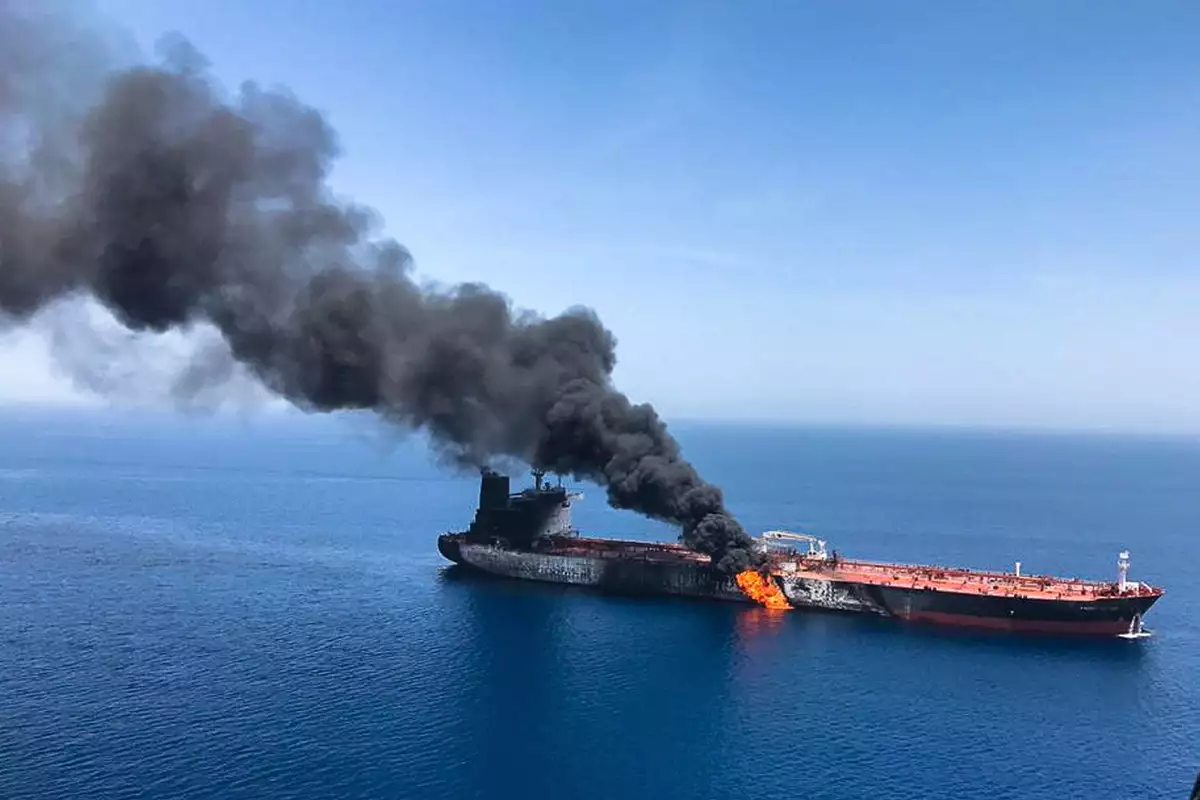
Third, the issue of the Strait of Hormuz. Iran's control over it is a strategic pressure lever on the global economy. There is no doubt that closing the strait accelerated the end of the war and enabled the regime to survive. That lever must be taken away from it.
And what should Israel do?
First, Iran must not be allowed to collect payment for passage through the strait. Control over it would strengthen Iran and the regime, generate revenue and allow them to rebuild. Collecting such payments, combined with sanctions relief, would effectively compensate the Iranians for what they endured in the war. In this context, anyone who believes the economic damage inflicted on Iran is too great for it to recover from is, in my view, simply underestimating the regime's patience and long-term ambitions. Beyond that, such a precedent, aside from raising the cost of global trade, could lead other countries to examine similar moves. Why should Egypt not charge for passage through the Straits of Tiran? Why should Spain and Morocco not charge for transit through the Strait of Gibraltar? Why should Yemen not demand payment for passage through the Bab el-Mandeb Strait?
Second, Israel should exploit the crisis surrounding the Strait of Hormuz and push with all its might for the construction of an oil and gas pipeline from the Gulf to Israel. Such a pipeline, from Saudi Arabia through Jordan and Israel, for example, would dramatically weaken Iran's power, strip it of its most significant pressure lever and, on the other hand, turn Israel into a country with major strategic capabilities for the entire world. The British Empire built such an oil pipeline at the beginning of the last century, from Iraq through Syria to Lebanon. If the British did it 100 years ago, there is no reason the Gulf states and Israel cannot do it today.
Whether one feels frustration and disappointment over the war ending at this stage, or believes Israel has achieved significant gains, there is no dispute that the way the negotiations are conducted and their outcome are critical to our future. Giving up these red lines will, within a short time, lead to the outbreak of a third Iran-Israel war.


