


Israel's recognition of Somaliland will soon be challenged at a special session of the UN Security Council. The charges are predictable: violation of sovereignty, destabilization of Africa, erosion of international law. Yet these criticisms conceal a more troubling reality. Israel's decision does not undermine global norms; it exposes how selectively and politically they are applied.
The real question is not whether Somaliland satisfies an abstract legal checklist of statehood. It is why political entities that clearly fail such tests are routinely recognized, while one that has met them in practice for more than three decades has been systematically excluded.
Israel's decision is rooted first and foremost in strategy. Somaliland lies on the Gulf of Aden, adjacent to the Bab el-Mandeb Strait, one of the world's most vital maritime chokepoints. In an era marked by Houthi attacks, piracy, and intensifying great-power competition, the Red Sea has become a core arena of Israeli security interest. Somaliland offers something rare in the Horn of Africa: territorial control, internal stability, and leadership openly seeking alignment rather than ambiguity.
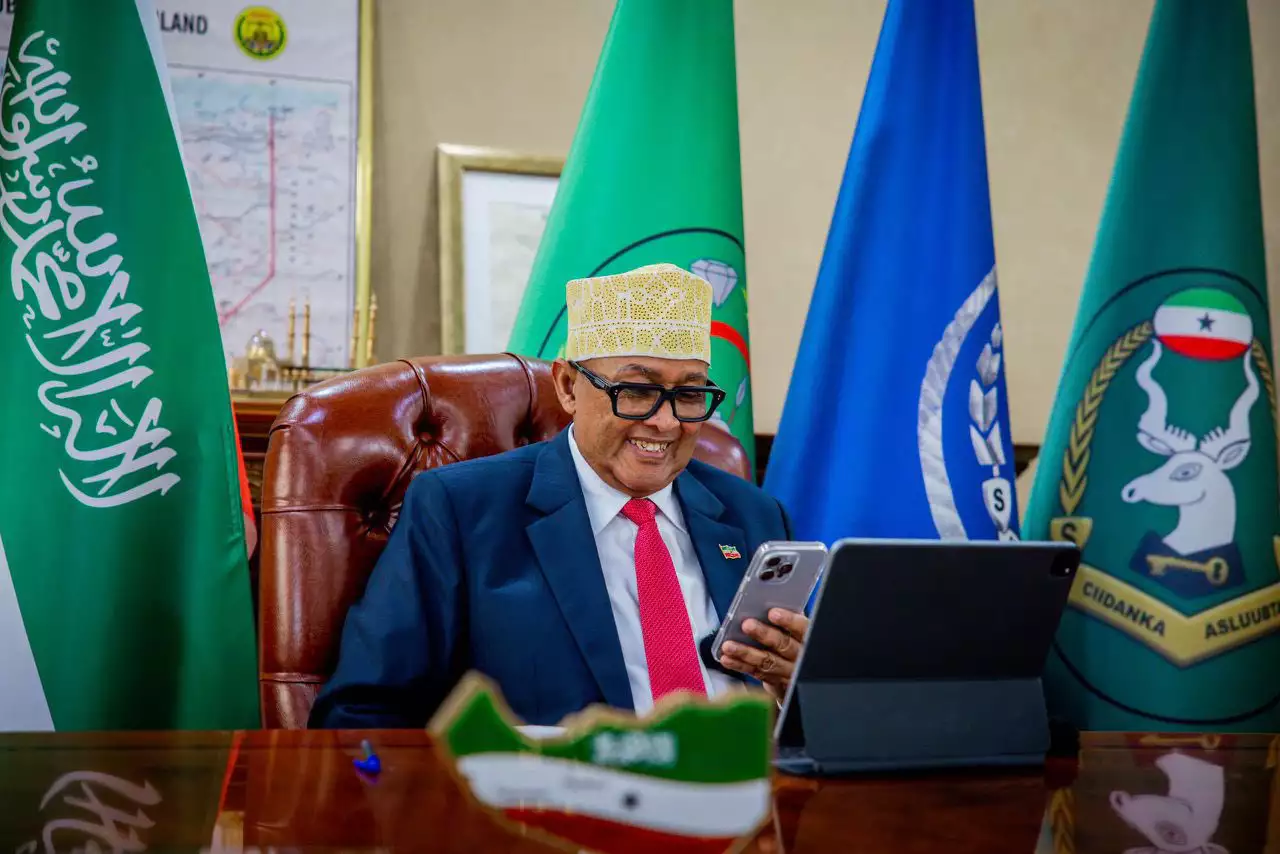
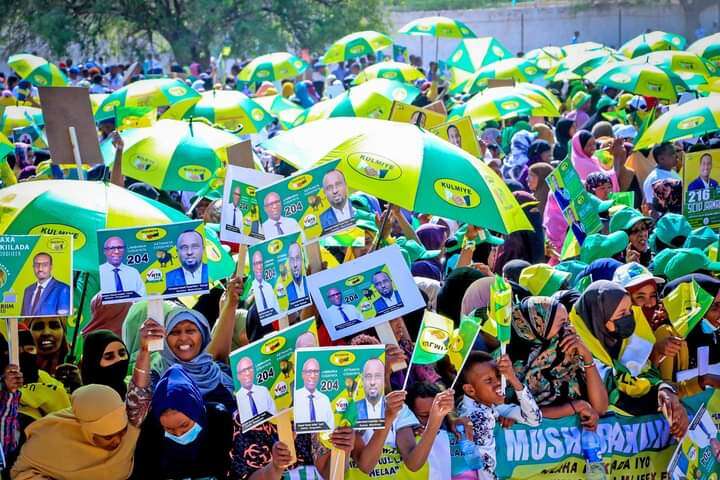
Recognition did not conjure a new political reality. Somaliland has governed itself since 1991. It has maintained internal order, held elections, enforced the rule of law, and delivered basic services without international trusteeship or peacekeeping forces. Israel did not create Somaliland's statehood; it acknowledged a durable fact that much of the international community has preferred to sidestep.
The move also reflects a broader reassessment of diplomacy in an era of symbolism. Over the past year, dozens of states have extended recognition to a Palestinian state despite the absence of unified governance, agreed borders, or effective sovereign authority. Recognition has increasingly become a political gesture rather than a reflection of statehood. Israel has chosen to demonstrate that recognition can also be grounded in interests and realities.
At the Security Council, Israel will be accused of violating Somalia's territorial integrity. Yet territorial integrity has never been absolute. In international practice, it is balanced against effectiveness, consent, and governance. The UN itself has recognized states born of unilateral secession when political conditions warranted it. Somalia has not exercised sovereign authority over Somaliland for more than thirty years. Invoking territorial integrity in this context is less a defense of law than a defense of diplomatic inertia.
Israel will also be warned that it is setting a dangerous precedent. But precedents already abound. More than 150 UN member states recognize Palestine, even as its institutions remain divided and its leadership lacks effective control over much of the territory it claims. Somaliland, by contrast, governs a defined population and territory and has done so peacefully for decades. If recognition is meant to reflect statehood rather than political fashion, the disparity is difficult to justify. This is not a legal contradiction; it is a political double standard.
That Israel currently stands alone in recognizing Somaliland says less about Somaliland than about international risk aversion. Most states prefer ambiguity: maintaining representative offices, security cooperation, and economic ties while stopping short of recognition to avoid friction with Somalia, the African Union, or regional blocs. Great powers, in particular, have opted for engagement without commitment. Israel calculated that the strategic benefits outweighed the diplomatic costs. That judgment can be debated, but it is neither impulsive nor unprecedented.
Somalia's reaction must also be seen in context. For decades, Israel's relations with Somalia have been minimal to nonexistent. Somalia aligned early and consistently with the anti-Israel camp in multilateral forums and never established diplomatic ties. Israel is not forfeiting an ally in Mogadishu. It is, however, inviting Somalia to mobilize diplomatic pressure, something Israel must manage carefully as the issue moves to the Security Council.
Comparisons with Israel's recognition of South Sudan are instructive but limited. South Sudan emerged from a UN-backed process culminating in a referendum and broad international endorsement. Israel's recognition aligned it with overwhelming global consensus. Somaliland followed a different path: de facto independence without international sponsorship. That makes recognition more controversial, but not inherently less legitimate.
Critics also ask why Israel recognizes Somaliland but not Kabylie, Cyrenaica, or other independence movements. The answer lies in strategy, not sentiment. Somaliland exercises territorial control, operates functioning institutions, and seeks reciprocal relations with Israel. Kabylie does not exercise sovereign authority and lies within a powerful state whose reaction would be immediate and destabilizing. Recognition without governance is symbolism; recognition of Somaliland is a strategic choice.
Is Israel also sending a message to states that rushed to recognize Palestine? Probably. But the message need not be framed as retaliation. It is corrective. Recognition divorced from facts empties the concept of meaning. If recognition is to remain more than political theater, it must be anchored in governance, stability, and responsibility.
The real test begins now. Recognition is easy; strategy is not. Israel will be judged on whether it can translate this decision into constructive cooperation while containing diplomatic fallout and avoiding escalation. At the UN, Israel will be told it broke the rules. The truth is that Israel has forced a long-overdue reckoning with how unevenly those rules are applied.
Dr. Emmanuel Navon is a foreign policy expert who lectures at Tel Aviv University and is a fellow at the Jerusalem Institute for Strategy and Security (JISS).


