

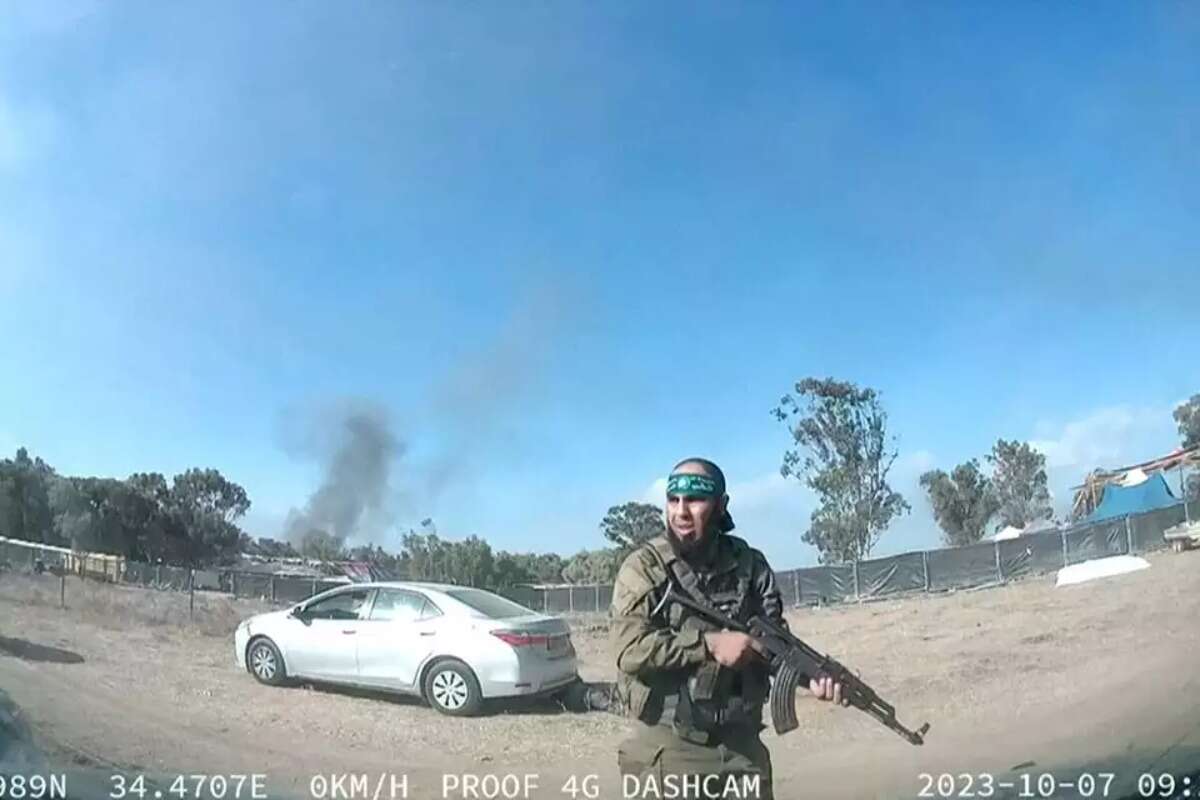
Since the events of October 7, a fierce debate has been taking place in Israel. It is not only about responsibility, failures and the appropriate response, but also about the words used to describe what happened.
Some seek to avoid the term "massacre," preferring softer or more technical phrasing such as "attack," "terrorist incident" or "large-scale raid." On the surface, this may appear to be a linguistic nuance. In reality, it is a debate over narrative and over the right and obligation to shape, even now, how the event will be remembered in the history of the Jewish people and the State of Israel.
In Jewish history, words play a formative role in collective memory. We all remember history lessons in which we learned about "pogroms," "riots," "decrees" and "destruction." Each tragic event was assigned its precise term, and we were taught to distinguish between the meanings embedded, for example, in the difference between "pogroms" and "riots."
Historical weight
These expressions are not merely factual descriptions of violence. They are concepts that imbue events with moral and historical meaning. When speaking of the Kishinev pogrom, the 1929 Hebron massacre or the destruction of the Second Temple, the words shaped consciousness. These were not "clashes" or "incidents," but acts of violence deliberately directed against a Jewish population because of its identity. When such events occurred in the 19th and early 20th centuries, when the Jewish people were scattered across the Diaspora, the term "pogrom" was used.
With the consolidation of the Jewish community in Mandatory Palestine, especially during the period of the British Mandate, the term "riots" became entrenched. After the establishment of the state, new expressions came into use to describe attacks on the Israeli population, such as "terrorist attack" or "murder," not out of empty pathos but to draw a clear moral line between war and the deliberate targeting of the defenseless.
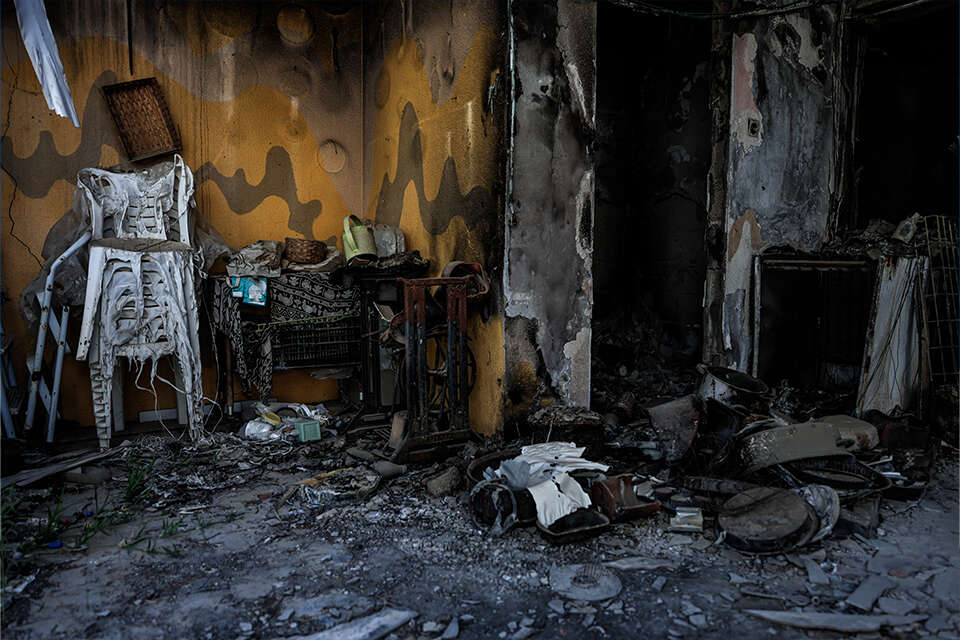
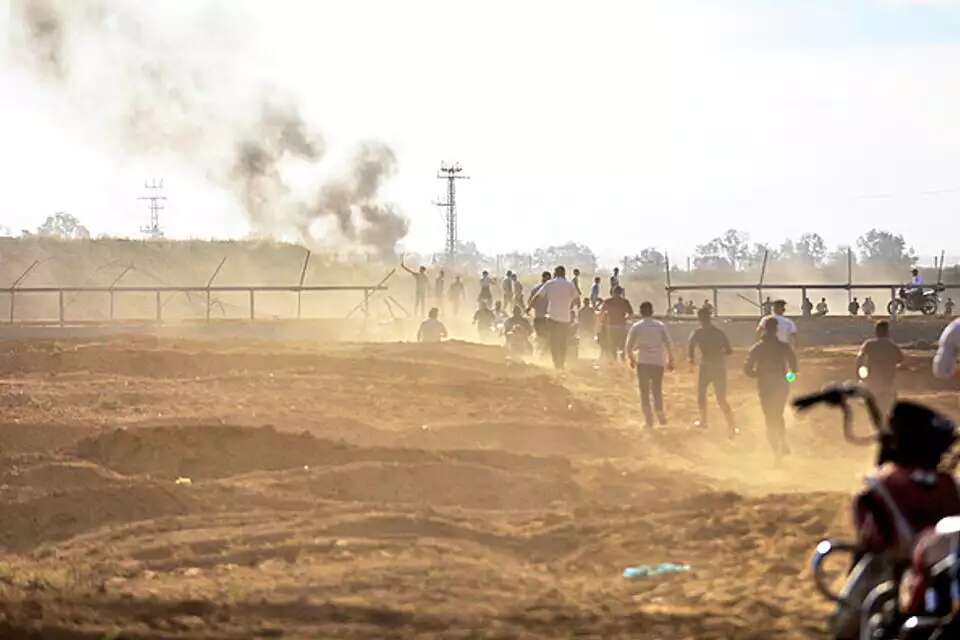
The term "massacre" is not an emotional slogan. It defines a pattern of action: systematic, deliberate and indiscriminate killing of civilians, including children, women and the elderly, in the most intimate of spaces. On October 7, there was no battle between armies. Hamas terrorists carried out a deliberate killing campaign in civilian communities, in homes, at a music festival and in areas that were not combat zones. In this sense, the use of the term "massacre" is not hyperbole but precision.
Indeed, the argument over terminology reveals a deeper struggle: a struggle over writing the historical narrative while it is still unfolding. Some fear that using charged terms will cement an overly "emotional" narrative, constrain future debate or inflame political positions. Yet Jewish history teaches that linguistic blurring is often the first step toward moral blurring. When the language is softened, the severity of the act is softened as well. The decision about what to call an event is not merely a matter of style; it determines what will be regarded as a line that must not be crossed.
Precisely because we are so close to the event, conceptual clarity is required. Future historians will rely, in part, on the language we chose to describe what happened. If we opt for language that is too neutral, we will lose not only the factual truth, but the moral truth as well.
October 7 is a new chapter in the Jewish history of deliberate attacks against civilians because of their identity. The word "massacre" is not a comfortable one. But at times, history demands words that are not comfortable, but correct.


