Holocaust survivors have endured everything. Ghettos, camps, hunger, flight, hiding, the loss of entire families. They survived the full force of human evil and prevailed. They built new lives, raised families and communities, and believed, or at least hoped, that antisemitic hatred belonged to the past.
On October 7, that hope cracked.
The images of the brutal massacre in Israel hurled them back 80 years. The fact that it happened in the State of Israel struck them with shock and indescribable pain. But it was not only the atrocities committed against innocent civilians that broke them. It was also what followed. A global wave of antisemitism, blatant and shameless. Justifying the massacre. Glorifying Hamas, the terrorist organization. Calls for the destruction of Jews. Daily attacks on Jews. Antisemitism reached monstrous proportions.
In the past year alone, 20 Jews were murdered in antisemitic attacks in Colorado, Washington, Manchester and Bondi Beach in Australia. Each was a world unto themselves, each a reminder of the age old hatred of Jews that does not disappear, only changes form.
At the March of the Living organization, we hear the resounding cry of Holocaust survivors around the world, and they are all saying similar things. Very similar. They are angry, frustrated, in pain. And they are afraid. Not for themselves. They can no longer be frightened. But they are cautious. Holocaust survivor Mark Spiegelman of Sydney says, "I no longer give the Jewish museum as my destination when I order a taxi. I give a nearby building instead."
They fear for their grandchildren. They, who saw how words turn into violence and incitement turns into murder, recognize the patterns. They hear the language. They see the silencing. They feel the fear returning. Not for themselves, but for the next generation. Their pain is deep. Their anger is justified.
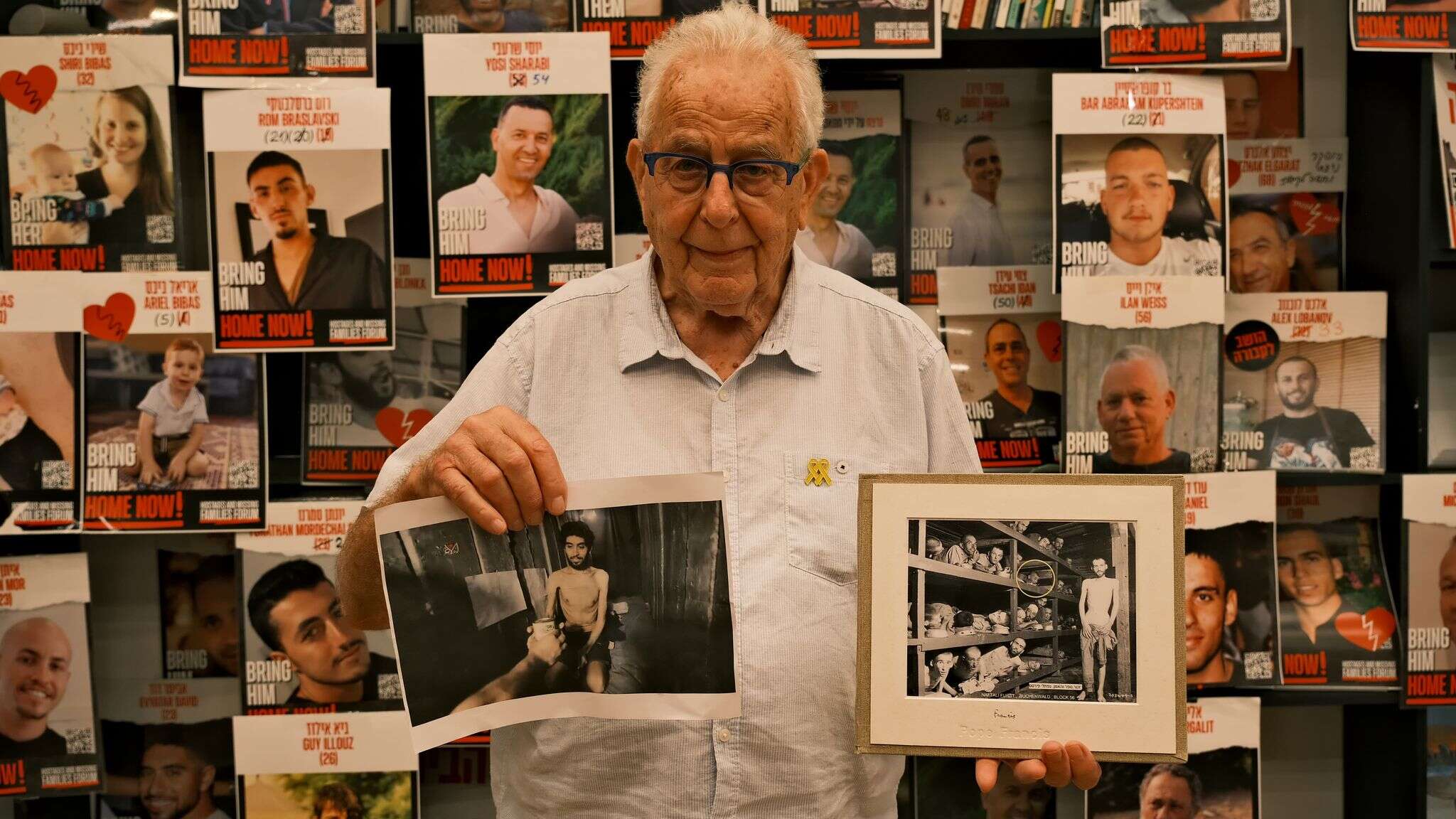
And despite everything, perhaps precisely because of this dark wave, they are strong. Proud of their Jewish identity and more committed to it than ever. They refuse to withdraw. They do not surrender to silencing, incitement or threats. Eva Cooper of Canada said that not only did she not stop going to synagogue or Jewish community events, but the opposite. "I go more often, with greater devotion and determination." Sammy Steigman of New York, whose lecture at a school was canceled because of his support for Israel, fought the decision. Under public pressure, the cancellation was reversed, and he will speak to students and tell his story.
Some of them admit painfully that they are no longer sure antisemitism can be defeated, but they believe hope lies with the younger generation and with the State of Israel. With teenagers and young adults who choose to listen, to ask questions, to march alongside them in the March of the Living. "Education, education, education," they repeat. Not as an empty slogan, but as an answer, even as a remedy. "We will defeat hatred and ignorance only when we get people to see and accept the other as a human being, not as an enemy," says Eva Cooper.
Despite leadership that has failed to eradicate antisemitism, they still believe in humanity. They believe in compassion. "In the face of hatred, we must cling to our humanity and stand against extremism, intolerance and hatred," says Jack Weiser of the UK.
Despite the pain and the fear, they do not lose hope. Ahmed al-Ahmed, who stopped the attack at Bondi Beach, gave them hope. The residents who came to shop at a Jewish bakery in New York after employees of a major chain called to sever ties with Israel give them hope. The State of Israel gives them hope. A state that did not exist 80 years ago, when the world they knew shattered into pieces. A state that gives the Jewish people a voice, strength and protection. An anchor of security and hope, even when the world loses its way.
In the final years of their lives, they ask us a simple and unsettling question. What can we promise them that we can truly keep?
It matters to them that their voices be heard. It matters to them that the Holocaust never be forgotten. It matters to them that its lessons be learned. And the responsibility, now, is ours.