Friday Dec 5, 2025
NEWSLETTER
www.israelhayom.com
  • Home
  • News
    • Israel
    • Israel at War
    • Middle East
    • United States
  • Opinions
  • Jewish World
    • Archaeology
    • Antisemitism
  • Lifestyle
    • Food
    • Travel
    • Fashion
    • Culture
  • Magazine
    • Feature
    • Analysis
    • Explainer
  • In Memoriam
www.israelhayom.com
  • Home
  • News
    • Israel
    • Israel at War
    • Middle East
    • United States
  • Opinions
  • Jewish World
    • Archaeology
    • Antisemitism
  • Lifestyle
    • Food
    • Travel
    • Fashion
    • Culture
  • Magazine
    • Feature
    • Analysis
    • Explainer
  • In Memoriam
www.israelhayom.com
Home Analysis

The Arab sector has high expectations

While Israeli Arabs see the Joint Arab List's electoral success as a turning point, some wonder whether its MKs will turn political success into tangible achievements for their constituency.

by  Daniel Siryoti
Published on  09-18-2019 12:36
Last modified: 02-17-2020 11:30
The Arab sector has high expectationsMichel Dot Com

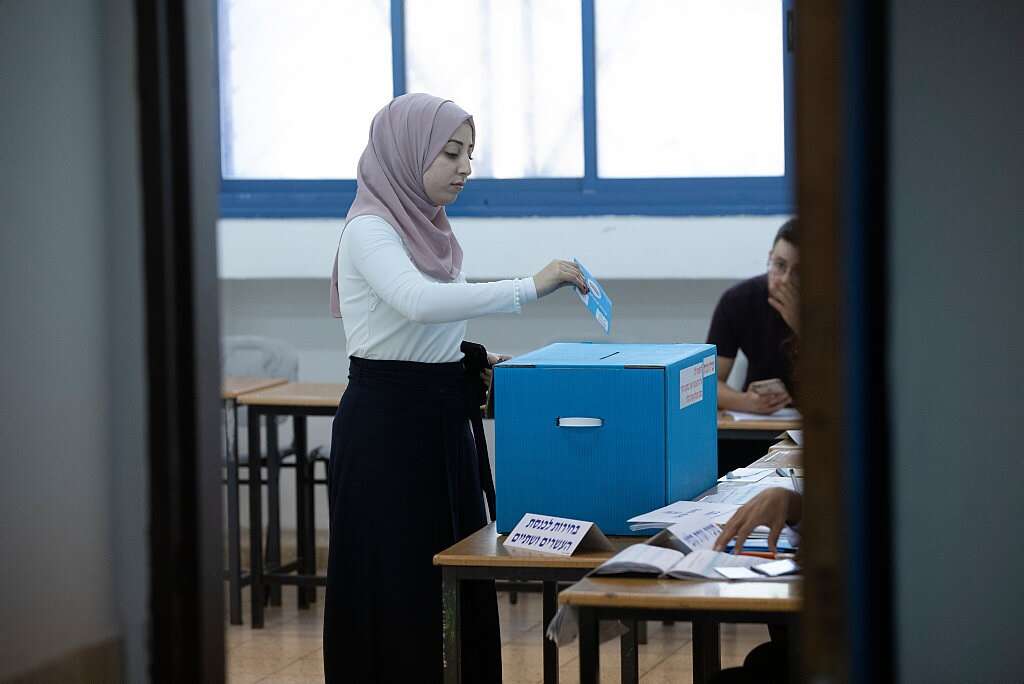
An Arab woman casts her ballot in the Septment 2019 election | File photo: Michel Dot Com

Share on FacebookShare on Twitter

Aside from the cries of joy and hugs among heads of the Joint Arab List after the exit polls in the 2019 do-over election were announced Tuesday night, party representatives heaved a sigh of relief.

Despite the chilling predictions that the Arab sector would see even lower voter turnout than it did in the election for the 20th Knesset (under 50%), it was clear starting early Tuesday that Arabs were showing up to vote. Long lines could be seen at polling stations in Arab communities from the North to the Negev.

Follow Israel Hayom on Facebook and Twitter

While many Arab voters admitted freely that they had been encouraged by the reunification of the Joint Arab List, they were mainly encouraged to vote by a campaign that they said put anti-Arab incitement in the center of public discourse, and tried to characterize the sector as working to "steal" the election.

After its success in the election, the Joint Arab List faces a number of major challenges. First and foremost, the Arab Israeli public expects the Joint list to work on behalf of its constituency.

The Joint Arab List will be the party mainly responsible for addressing crime, illegal weapons, and murder in the Arab sector, as well as poverty and strengthening the Arab school system, and adding classrooms and clinics in Arab communities and mixed cities.

The Arab public truly feels that Tuesday was a historic day, one that will change the political map in Israel.

However, many wonder if the Joint Arab List will be able to channel its electoral success into political achievements that benefit the Arab sector, or whether its representatives will get bogged down in political battles and conflicting interests between the members of the four parties that comprise the list: Hadash, Ta'al, Ra'am, and Balad.

Tags: Arab sectorcrimehealth careillegal weaponsJoint ARab Listvoter turnoutvoting

Related Posts

The fall of Abu Shabab

The fall of Abu Shabab

by Shachar Kleiman

As conflicting accounts circulate in Gaza and Hamas supporters celebrate, the uncertainty around Abu Shabab’s fate exposes deeper fractures within...

The nightmare scenario: What a Iran-Hezbollah retaliation could look likeReuters

The nightmare scenario: What a Iran-Hezbollah retaliation could look like

by Orna Mizrahi

Ali Tabataba'i's assassination may be the breaking point for the terrorist group. From missiles aimed at the home front, through...

Israel's 10-year dilemma: Can it live with a weakened Hezbollah?AFP / Ibrahim AMRO

Israel's 10-year dilemma: Can it live with a weakened Hezbollah?

by Shachar Kleiman

Hezbollah is playing the long game, betting that Lebanon's demographic trends will make it more Shiite and pro-Iranian. Israel managed...

Menu

Analysis 

Archaeology

Blogpost

Business & Finance

Culture

Exclusive

Explainer

Environment


Features

Health

In Brief

Jewish World

Judea and Samaria

Lifestyle

Cyber & Internet

Sports


Diplomacy 

Iran & The Gulf

Gaza Strip

Politics

Shopping

Terms of use

Privacy Policy

Submissions

Contact Us

About Us

The first issue of Israel Hayom appeared on July 30, 2007. Israel Hayom was founded on the belief that the Israeli public deserves better, more balanced and more accurate journalism. Journalism that speaks, not shouts. Journalism of a different kind. And free of charge.

All rights reserved to Israel Hayom

Hosted by sPD.co.il

  • Home
  • News
    • Israel at War
    • Israel
    • United States
    • Middle East
    • Sports
  • Opinions
  • Jewish World
    • Archaeology
    • Antisemitism
  • Lifestyle
    • Food
    • Travel
    • Fashion
    • Culture
  • Magazine
    • Feature
    • Analysis
    • Explainer
    • Environment & Wildlife
    • Health & Wellness
  • In Memoriam
  • Subscribe to Newsletter
  • Submit your opinion
  • Terms and conditions

All rights reserved to Israel Hayom

Hosted by sPD.co.il

Newsletter

[contact-form-7 id=”508379″ html_id=”isrh_form_Newsletter_en” title=”newsletter_subscribe”]

  • Home
  • News
    • Israel at War
    • Israel
    • United States
    • Middle East
    • Sports
  • Opinions
  • Jewish World
    • Archaeology
    • Antisemitism
  • Lifestyle
    • Food
    • Travel
    • Fashion
    • Culture
  • Magazine
    • Feature
    • Analysis
    • Explainer
    • Environment & Wildlife
    • Health & Wellness
  • In Memoriam
  • Subscribe to Newsletter
  • Submit your opinion
  • Terms and conditions

All rights reserved to Israel Hayom

Hosted by sPD.co.il