

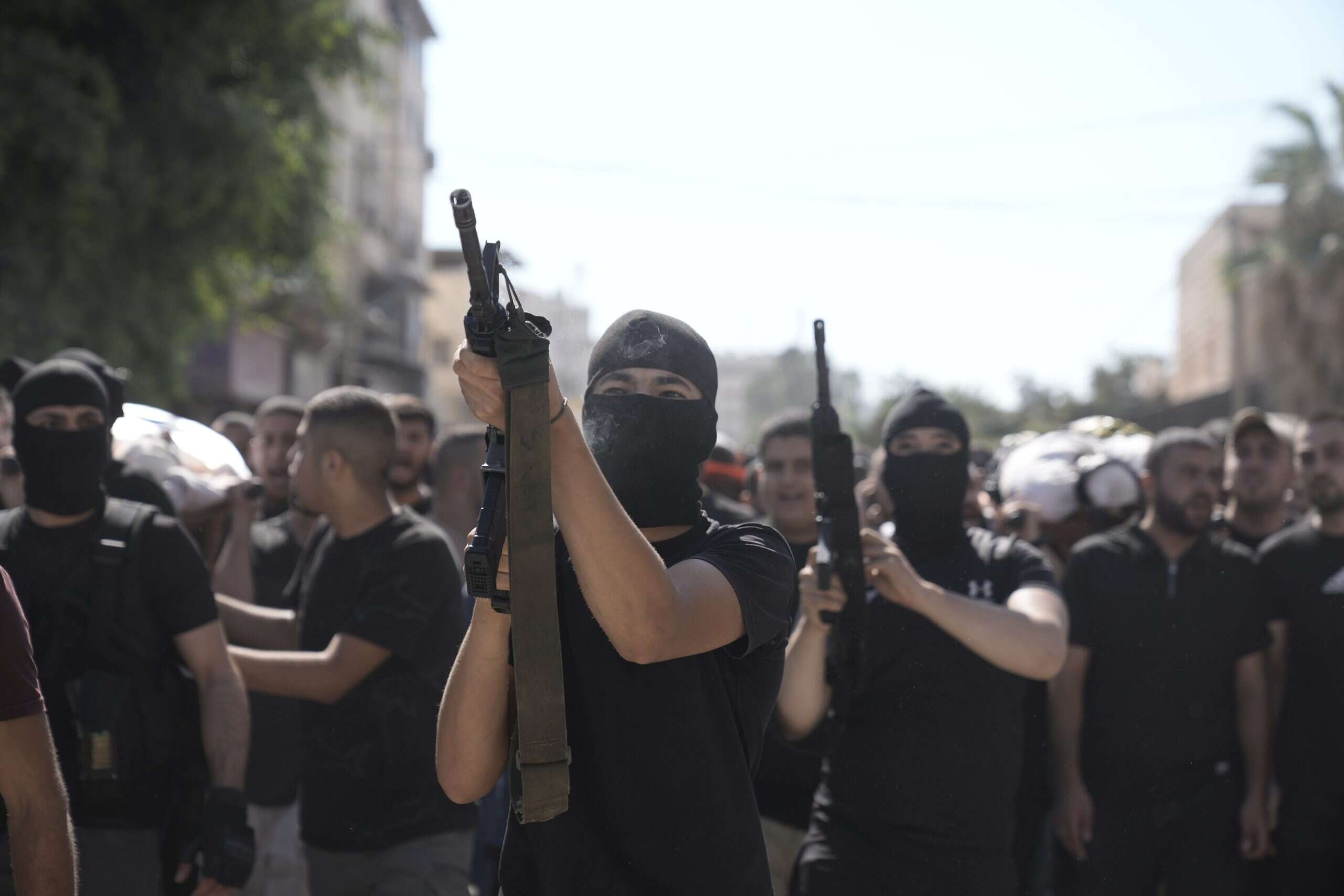
Recent events have triggered a major policy shift in Israel's approach to the West Bank, Israel Hayom has learned. Previously designated as a "secondary arena" requiring stable maintenance since the war's onset, recent attacks have convinced top officials that this stance is no longer tenable. The Israel Defense Forces (IDF) now operate under a new paradigm, viewing the West Bank as the second most critical front, immediately after Gaza.
While this directive is still in its initial stages, with substantial changes on the ground expected to take time, a series of operations across the West Bank are imminent. "The Jenin operation is just the beginning," security officials emphasize.
In late August, Operation "Summer Camps" in the northern West Bank was launched, the IDF's most extensive operation since Defensive Shield in 2002. Two brigade combat teams are currently deployed in the Jenin refugee camp and Tulkarem, with the operation set to continue in the foreseeable future. The recent spate of severe attacks, including the double attack in Gush Etzion, the incident in Tarkumiya, and the thwarted attack in Ateret, underscores the need for comprehensive action across the entire sector. In a mere 48 hours, the West Bank transformed from a powder keg to a region on the brink of explosion.
The security establishment faces a particular dilemma in the Hebron area, the origin of two significant recent attacks. While there's unanimous agreement on the need to dismantle Hamas in the West Bank, officials are wary of causing unintended consequences.
Palestinian security mechanisms, driven by self-interest rather than goodwill towards Israel, have been cooperating substantially with Israeli forces, including during Sunday's attack. A heavy-handed operation risks triggering a broader escalation, which Israel seeks to avoid. However, there's a growing consensus that aggressive action against the severe terrorism emanating from the city is necessary. As a result, we may see large-scale, intelligence-driven operations, coupled with encirclements around the city, a strategy already in play.
Meanwhile, local authorities in the West Bank are calling for more decisive action, a sentiment echoed by Minister of Settlement Affairs Orit Strock. She has urged the Diplomatic-Security Cabinet to implement emergency measures, including declaring a state of war in the West Bank. Strock pointed to a recent incident: "Two weeks ago, five Hamas leaders in Hebron were released from detention. These individuals were arrested at the war's outset as part of efforts to prevent an outbreak in the West Bank. Merely two weeks after their release, a double bomb attack was carried out in Gush Etzion, with the perpetrators originating from Hebron. We narrowly averted a catastrophe."
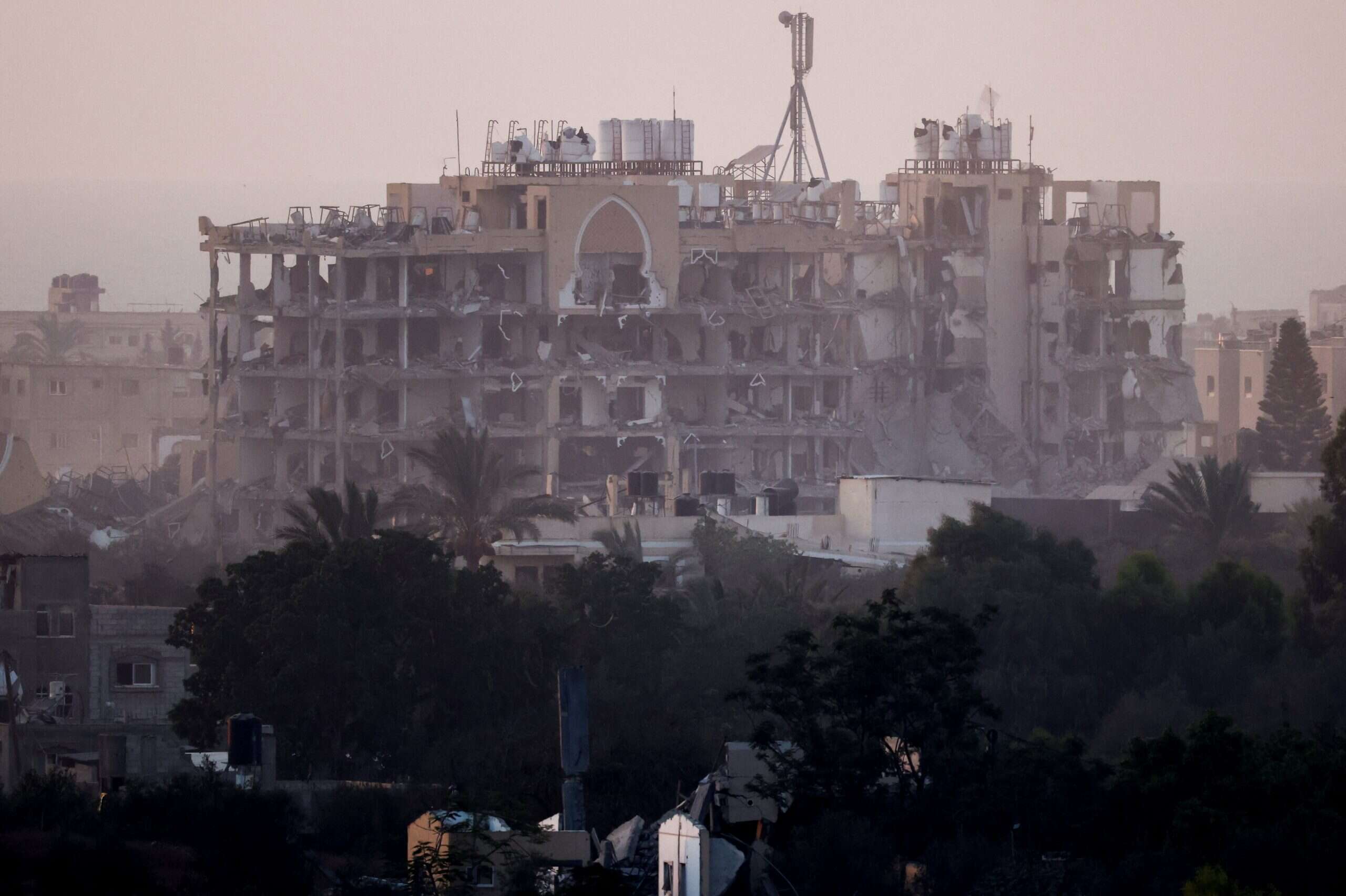
"The war's outbreak triggered a wave of arrests targeting key terrorist operatives in the sector," Strock added. "Their release is part of a series of releases that have occurred or are slated to occur soon, due to legal hurdles and a shortage of detention facilities. Neither of these reasons can justify the looming bloodshed."
The IDF aims to reach October, the month of major Jewish holidays, with a calmer West Bank than the current mini-uprising unfolding on the ground. While a full-scale war across extensive areas is unlikely, Operation "Summer Camps" is expected to expand to other West Bank regions soon. The security establishment also advocates for the arrest of inciting elements throughout the West Bank, a measure also demanded by the Minister of Settlement.
The shift in approach is palpable on the ground. A year ago, discussions centered on maintaining the fabric of daily life; now, the focus has shifted to the level of aggressive action required. Security officials recommend launching extensive operations, emphasizing the confiscation of terror funds throughout the area, not just in the northern West Bank, and dismantling Hamas as a primary objective. One security source described it as "not just mowing the lawn, but uprooting the problem at its source."
Yahya Sinwar, Hamas leader in Gaza, is reportedly attempting to inflame the situation, presumably operating under the assumption that the hostage deal is on the verge of collapse. His strategy appears to be escalating tensions in the West Bank to divert attention from Gaza. Iran is also implicated, allegedly funneling millions of shekels into the West Bank. With Palestinian workers unable to enter Israel for employment, terror funding has become a significant source of available money in the Palestinian Authority, further fueling the unrest.
A recent targeted operation was conducted to seize terror funds. The security establishment is advocating for similar determined operations throughout the area. Senior security officials have repeatedly recommended expanding this focus beyond just the northern West Bank. Some security experts posit that the recent attacks are a consequence of intense activity in the northern West Bank and may subside in the future. Others view these actions as the very explosion the IDF has been striving to prevent, indicating a trajectory towards further escalation.
The prevailing assumption is that a major attack could be imminent. While last week's incident occurred in Gush Etzion, security officials warn that future attacks could target Jerusalem, Beersheba, or Tel Aviv.


