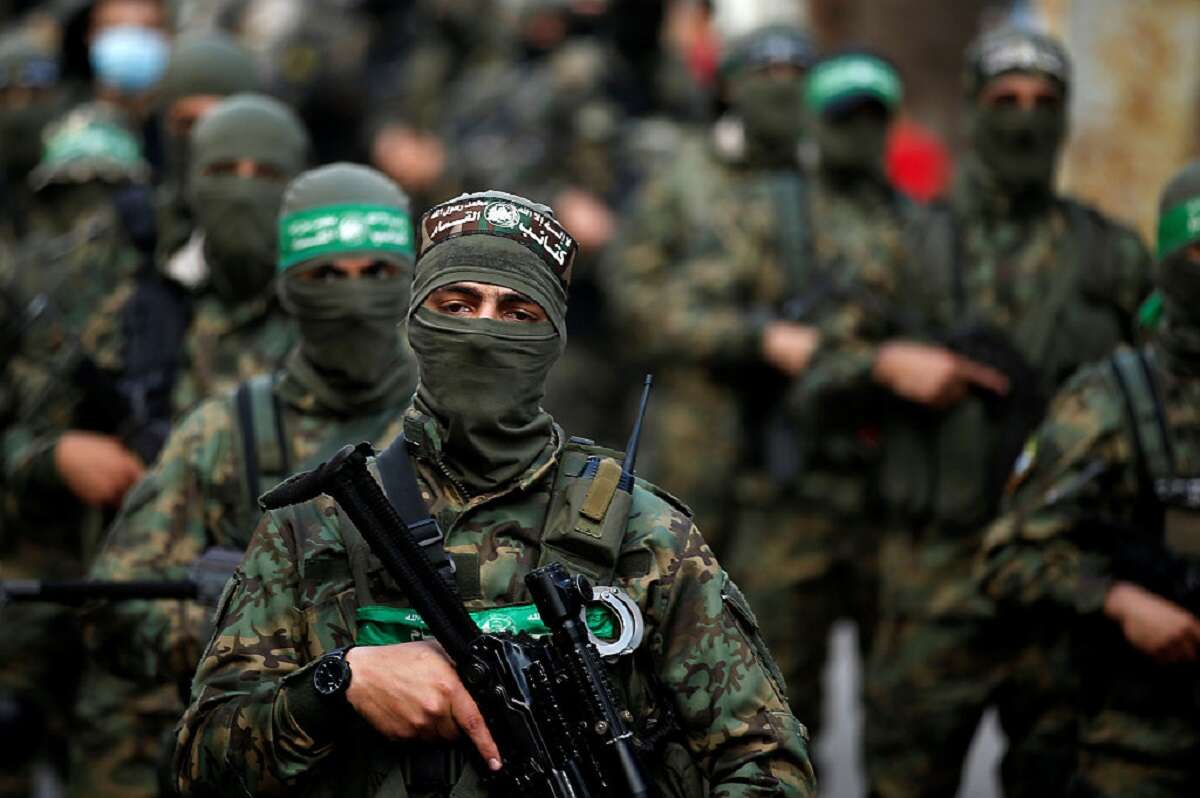
For the first time, the full contents of a strategic document prepared by Hamas' military intelligence for the group's leader Yahya Sinwar have come to light. The German newspaper Bild first broke the news of its existence, setting off a firestorm in political and security circles across Israel and beyond.
Seized during operations in Gaza, the document offers a window into the recommendations made by mid-level Hamas officials to Sinwar. It delves into the political ramifications of a potential deal, examining its impact on both Hamas and Israel, with particular emphasis on Israeli citizens and families of hostages. For those who believed Hamas was merely engaged in tactical skirmishes with Israel, the document reveals a deeper layer of strategic thinking – one aimed at undermining Israel from both outside and within.
The authenticity of the document is undisputed, even by those who tried to prevent its publication. In Israel, the IDF faced criticism for allegedly keeping the information from decision-makers. However, security sources maintain that the Military Intelligence Directorate has amassed numerous such documents since the outbreak of the war, and insights gleaned from them have been presented to political leadership, including discussions on hostage negotiations.
Now, for the first time, Israeli readers can examine the document firsthand. Written on April 11, it addresses the mediators' ceasefire proposal from that month. Israel Hayom's Arab affairs correspondent, Shachar Kleiman, has translated the document.
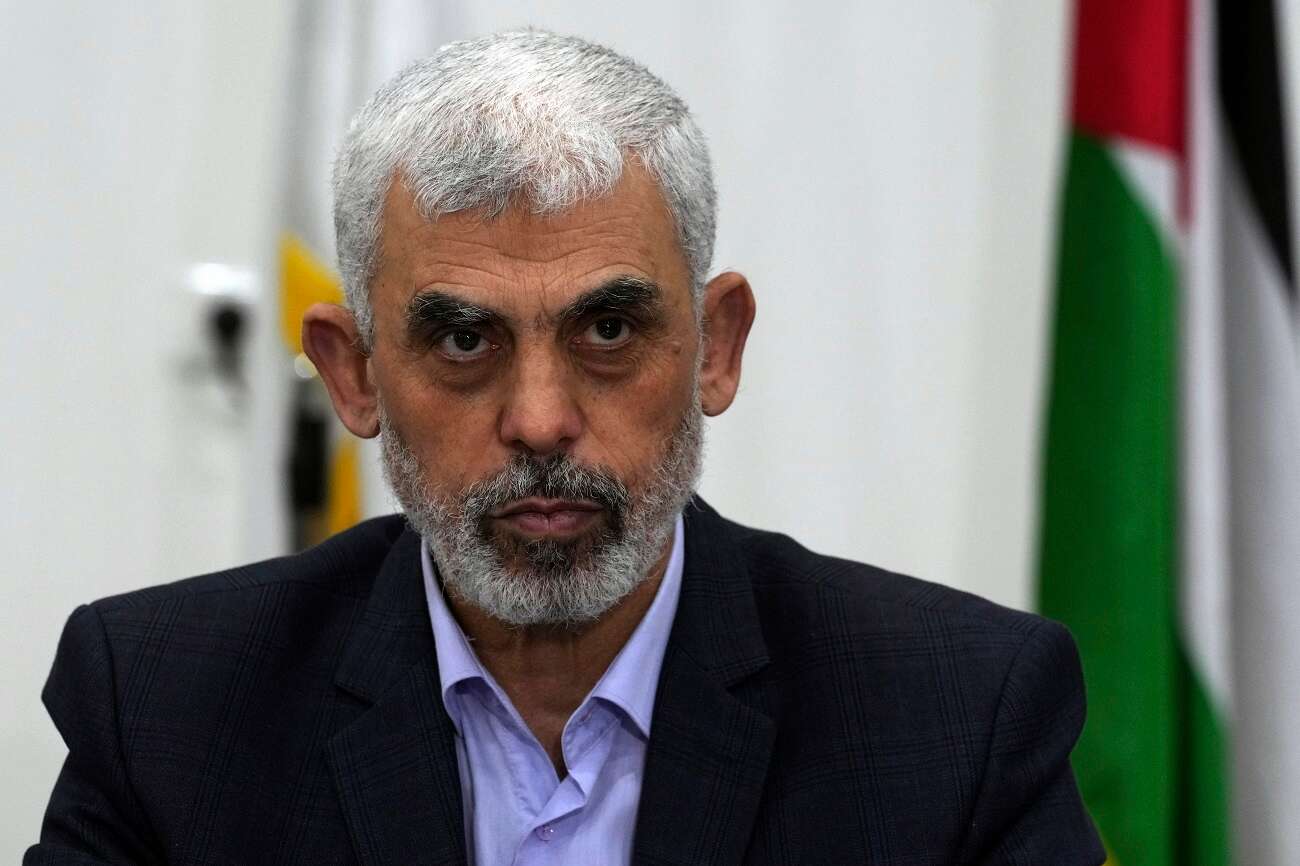
"We received the latest proposal from the mediators dated April 8, consisting of three pages under the title 'Key principles for an agreement between the Israeli side and the Palestinian side in Gaza on the exchange of hostages and prisoners and a return to sustainable calm.' There appear to be several factors to consider when making a decision and its negative and positive impacts," states the document intended for Sinwar. "These factors are: the level of resilience of the internal front, the ability of our forces to persist and act; the level of adherence and attrition on the enemy's internal front, its political regime and its army; the level of international pressure and the legitimacy of the war; the role of other fronts (Hezbollah, Iran, the Houthis)."
Sinwar's name is not mentioned in the document, but those who intercepted, analyzed, and accessed it believe it was intended for the head of the terrorist organization. Nevertheless, it cannot be ruled out or confirmed whether the document reached its destination. The conclusions drawn by the authors suggest not rushing into a deal in hopes of improving positions, but to act with "flexibility" so that responsibility is not placed on Hamas.
"In general, flexibility should be expressed so that Hamas does not bear responsibility for the failure to reach an agreement. We estimate that it will be possible to improve some of the substantive terms of the agreement, even if negotiations continue for a longer period, as we benefit from the pressure factors on the enemy."
The document's authors continue: "Agree to the proposal with some comments, making it difficult to regard Hamas as the party obstructing the agreement. These comments include Hamas' conditions: Hamas' right to name 100 life-sentence prisoners, the return of internally displaced persons (to northern Gaza), and the opening of al-Rashid and Salah al-Din streets (main longitudinal routes in the strip) with the delivery of the first phase of Israeli prisoners, provided that this occurs on the first or second day of the agreement. Delete the phrase 'gradual return,' and delete the phrase 'unarmed.'"
In other words, even in negotiations that took place months ago, Hamas demanded to reject Israeli requirements for only civilian passage to northern Gaza. As we know, the pressure worked, and in the new draft, Hamas received its demands regarding free movement on the Netzarim route.
"It is possible," write Hamas' "military intelligence" officials, outlining their plan to preserve the organization's rule, "as a political maneuver and to throw the ball into the enemy's and mediators' court – to propose the idea of a complete withdrawal from the Gaza Strip at the end of the first stage – in exchange for agreeing to deploy Arab forces on the eastern and northern borders, provided that they deploy at the end of the first stage, so that the Arab force will be a barrier preventing the enemy from invading the Gaza Strip after the end of the war, until the reorganization of Hamas' ranks and military capabilities."
Regarding the aid issue, the document's authors write, "Do not agree to the number of 500 trucks, but rather refer to it as the minimum requirement for aid, so that it does not include private sector trucks, or add the phrase 'in a manner that meets the essential needs of Gaza Strip residents.'"
Hamas adds more comments, reminiscent in their wording of the organization's senior officials' statements regarding the deal, "The media phrasing should reflect the enemy's stubbornness. That is, the enemy insists on and rejects the American proposal that Hamas accepted in mid-March. There is a need to consult with Hezbollah, the Revolutionary Guards, and Ansar Allah (the Houthis) regarding the ceasefire negotiations (in case Hamas decides on a hudna of only six weeks or if negotiations on the second phase fail). Continue psychological pressure on the families of prisoners now, and during the first phase (of the deal), so that popular pressure on the enemy's government increases."