

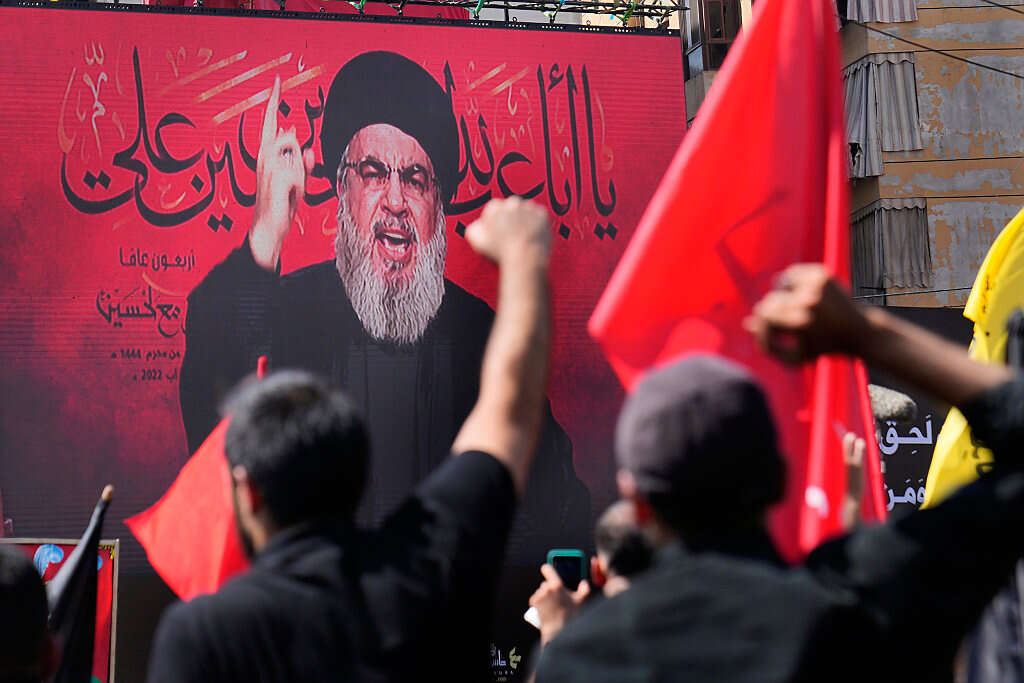
Hassan Nasrallah, 64, was appointed Secretary-General of the terrorist organization in February 1992 and has since led it through wars and terrorist attacks.
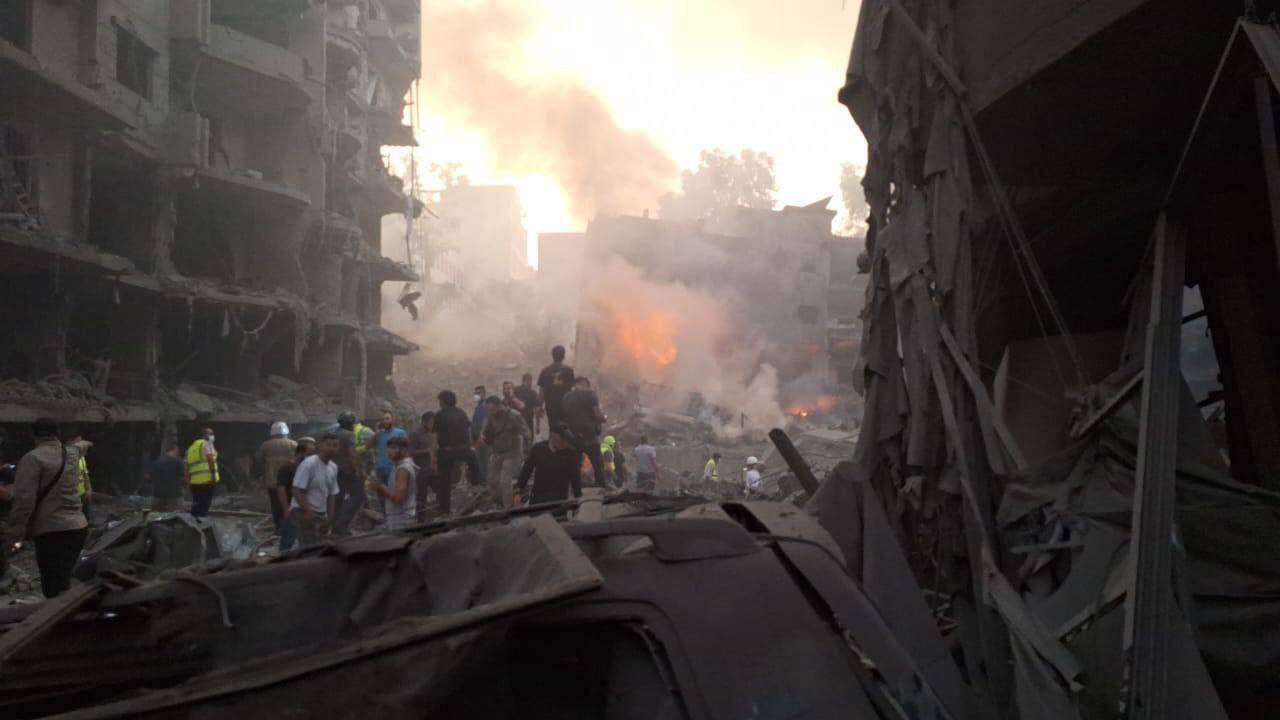
Born in August 1960 to a Shiite family in southern Lebanon that later moved to Beirut, Nasrallah's family was associated with the Shiite Amal movement. In 1982, Israel launched the First Lebanon War to secure the Galilee region from Palestinian terrorist organizations affiliated with the PLO. Iran seized this opportunity and sent advisors from the Revolutionary Guards, the military organization loyal to the country's leader, Ruhollah Khomeini. These advisors laid the groundwork for Hezbollah.
Nasrallah is the ninth of ten children. His father was a greengrocer. As a teenager, when the Lebanese Civil War broke out, he was forced to move from Beirut back to Bazuriyah near Tyre, where he was born. Nasrallah officially joined the Amal movement and even served as its local representative. Under the guidance of the local mosque's imam, Nasrallah continued his religious studies and even traveled to Najaf, Iraq, one of the most important Shiite centers. In 1979, he was forced to return to Lebanon but advanced through Amal's ranks as a member of its political bureau.
In 1982, Iran sought a Shiite movement more loyal to its interests and established Hezbollah. Against the backdrop of the war, Nasrallah held several positions in the organization, including being responsible for the Beirut area, a senior member of the executive mechanism, and finally a member of the Shura Council. In 1989, he left for religious studies in Qom, Iran.
In 1992, after the assassination of Abbas Musawi, then Hezbollah's secretary-general, Nasrallah was chosen to succeed him. Since then, he has survived several assassination attempts in the 1990s and 2000s. During his tenure, the connection with the terrorist organization Hamas was strengthened through hundreds of terrorists that Israel expelled to Lebanon. Additionally, he claimed credit for Hezbollah's role in Israel's withdrawal from southern Lebanon in May 2000.
Particularly memorable is Nasrallah's "Spider's Web" speech delivered during victory celebrations in Lebanon after the withdrawal. He claimed then that Israel appears strong from the outside but is as easily defeated as a spider's web, as Israeli society would not be able to withstand terrorist attacks and was weary of wars.
Over the years, Nasrallah has been considered a calculated figure, but one who has also misjudged Israel's responses on several occasions. In 2006, a Hezbollah cell received approval to kidnap soldiers on the Lebanese border. The bodies of Eldad Regev and Ehud Goldwasser were abducted. As a result, Israel launched the Second Lebanon War.
In the last two decades, the northern border enjoyed relative quiet until recent years when deterrence eroded. However, during this time, Hezbollah also improved its military capabilities. According to Nasrallah, the organization includes about 100,000 fighters, but other estimates speak of only a few tens of thousands. In addition, during his tenure, Nasrallah also led the missile precision project, the accumulation of long-range missile stockpiles, and the construction of bunkers and tunnels.
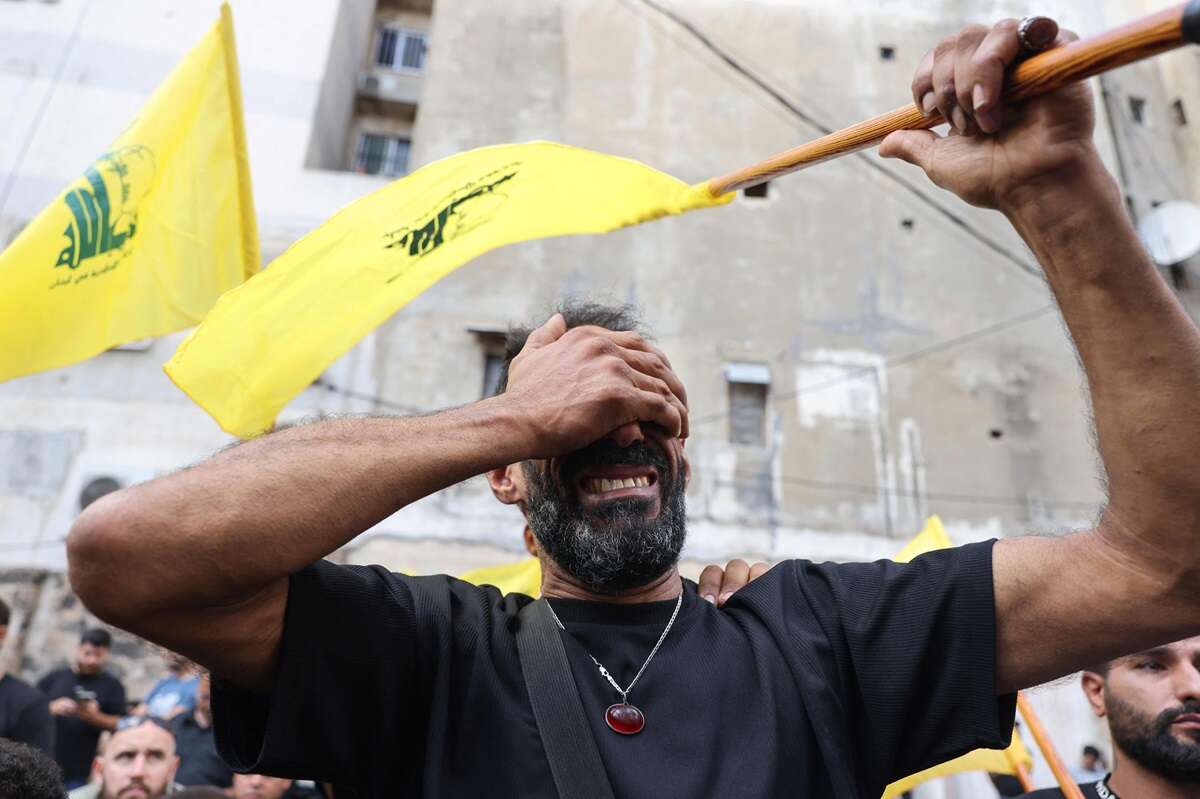
In 2011, the Syrian Civil War broke out. Nasrallah decided to intervene and assist the Assad regime along with Iran. Thousands of his militants were killed on this front, but ultimately, the terrorist organization ensured the survival of its ally in the Iranian axis and gained significant military experience. In the following years, the organization's military advisors also assisted the Houthis in Yemen in the war against the Saudi coalition. During this period, the connection between senior Iranian axis officials – Nasrallah and the commander of the Quds Force of the Revolutionary Guards, Qasem Soleimani – strengthened.
Nasrallah received funding for the organization from Iran, but not only. Over the years, Hezbollah began to operate an extensive network of drug smuggling around the world, mainly including Captagon pills, a sedative drug that has become very popular in the Middle East.
In the October 7 Hamas attack against Israel, Nasrallah decided not to launch a simultaneous assault from the north, opting instead for a "support front" that opened the next day.
In the past 11 months, hundreds of rockets, drones, and missiles have been launched towards northern Israeli communities. In his speeches, Nasrallah boasted that tens of thousands of Israelis left their homes and claimed that he would not stop the fire until the war in Gaza ended. On Friday, another assassination on Nasrallah was carried out, who was apparently staying in Dahiyeh in Beirut with other senior officials.
As mentioned, since taking office, Nasrallah has been responsible for a long series of deadly attacks. In March 1992, Hezbollah carried out an attack on the Israeli embassy in Buenos Aires. About two years later, an attack was carried out on the Jewish community building in the city. In both attacks, carried out in revenge for Musawi's assassination, dozens of people were murdered.
On October 7, 2000, an attack was carried out in the Har Dov area, during which three IDF soldiers – Adi Avitan, Benny Avraham, and Omar Sawaid – were killed and abducted. A few days later, Elhanan Tannenbaum was kidnapped. Moreover, during the Second Intifada, the organization under his command assisted Palestinian terrorist organizations with advice and smuggling of weapons for attacks. In April 2009, a Hezbollah cell in the Sinai Peninsula was exposed, planning to avenge the assassination of Imad Mughniyeh a year earlier.


