


Across the Middle East, there is growing unease over Syria's new leadership and Turkey's expanding influence.
Since capturing Damascus, Ahmad al-Sharaa (also known as Abu Mohammad al-Julani) has sought to present a pragmatic face. In interviews with the Arab press and meetings with top diplomats, he has consistently projected a calming message: Syria has moved past its wars and has no intention of exporting its revolution.
Yet skepticism abounds in the region. "The current reality in Syria highlights regional instability," Amjad Taha, a UAE-based analyst and strategic advisor, told Israel Hayom. "Turkey has established itself as an occupying power in northern Syria while orchestrating the dominance of radical Islamist factions under its sway.
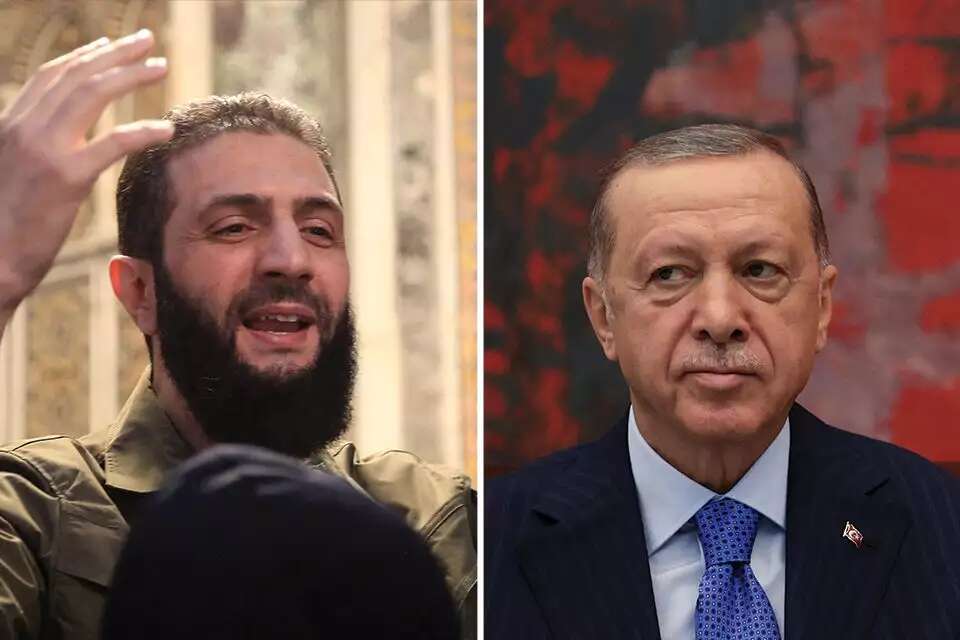
"While Bashar al-Assad was 'the devil we know,' the Islamist forces shaping Syria's future now represent a volatile threat, their next moves unpredictable. These groups, much like Hamas, may appear focused on domestic issues but could be planning catastrophic escalations reminiscent of the October 7 attacks."
Taha added: "The region finds itself cornered by US policies, which have shifted from Iranian proxies to Turkish hegemony. While Turkey may appear more pragmatic than Iran, its ethnic cleansing of Kurdish populations in northern Syria, as part of a long-term settlement strategy, constitutes a blatant violation of human rights and international law. These actions demand unified global condemnation and decisive intervention."
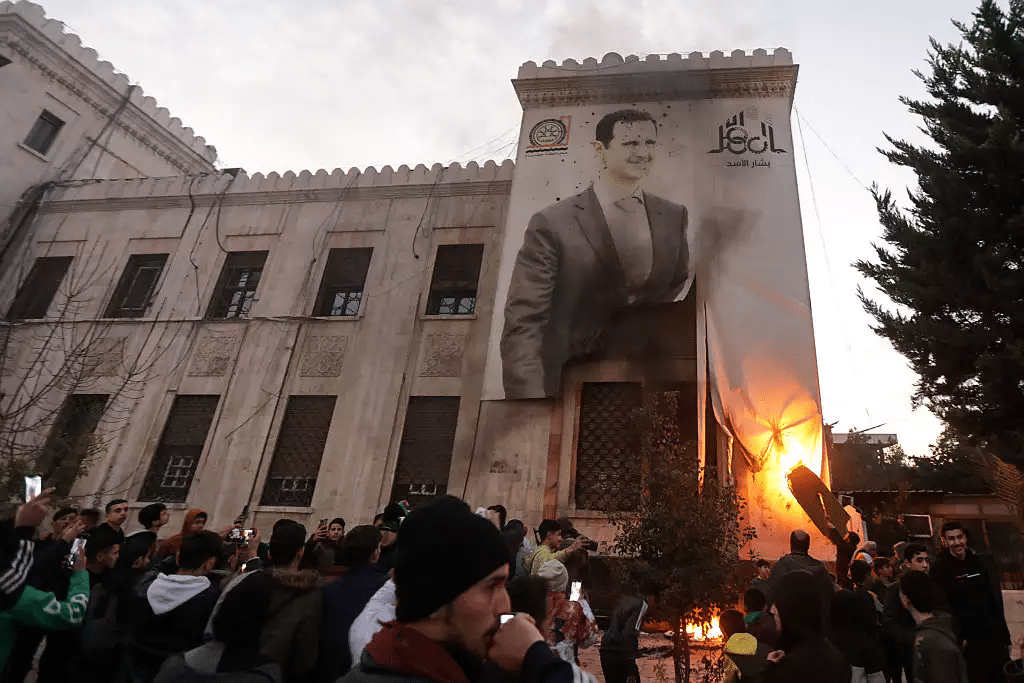
According to Taha, the alliance between the Muslim Brotherhood and al-Qaeda, supported by Turkey's PR machine, is granting these groups a veneer of legitimacy in the West while undermining regional stability. "The Middle East has no choice but to confront these challenges through diplomatic solutions, recognizing the urgent need to curb Turkey's ambitions and ensure justice for displaced and persecuted communities," he said.
Dr. Michael Barak of Reichman University shared similar concerns. Speaking with Israel Hayom, he noted that al-Julani appears to mask his true intentions. "In the UAE, people joke about how Islamists use the doctrine of Talawun (flexibility)—acting like chameleons by temporarily adopting behaviors or policies contrary to their principles to achieve their ultimate goal. In al-Julani's case, this may involve strengthening the Syrian nation-state in all aspects—security, economy, and military—potentially to threaten Israel in the distant future."
Lebanese Druze politician Wiam Wahhab indirectly criticized rival Walid Jumblatt for meeting with al-Julani in Damascus. "Anyone who believes al-Julani can benefit Lebanon is mistaken. He must not be allowed near Lebanon's border," Wahhab said. Jumblatt, however, seems satisfied with al-Julani's promise to protect minority rights, though Druze communities in Syria have expressed alarm over the rise of Islamist factions.
Iran's frustration
Iran's Supreme Leader Ali Khamenei recently expressed dissatisfaction with developments in Syria. While he acknowledged "the emergence of a group of strong and respectable people opposing Israel," he also described the central rebel coalition, Hay'at Tahrir al-Sham, as a "group of troublemakers exploiting Syria's weaknesses to drag it into chaos."

Iran's frustration stems from losing the key weapons corridor to Hezbollah and al-Julani's claim that he thwarted an Iranian-engineered "third world war."
Qatar's bridge-building
The defeat of the Shiite axis has empowered Islamist states Qatar and Turkey. Qatari Emir Tamim bin Hamad Al Thani and Turkish President Recep Tayyip Erdoğan envision a tripartite alliance to counter Saudi-led conservative states.

"Qatar aims to position itself as a central mediator, maintaining dialogue with all factions," Dr. Ariel Edmoni, an expert on Qatar at Bar-Ilan University, told Israel Hayom. This approach leverages Qatar's past connections with various rebel groups, including its current ties with al-Julani's leadership.

Doha employs humanitarian cover—such as the Emir's directive for an airlift—to gain influence in Syria, particularly in the energy sector. "Qatar has already sent mobile power plants to Syria and likely seeks government contracts with the emerging regime," Dr. Edmoni noted. He dismissed conspiracy theories about Qatar pursuing a gas pipeline via Syria, pointing instead to investments in LNG tankers with contracts signed with China and Japan.
Concerns in Jordan and Iraq
Jordan and Iraq, sharing borders with Syria, are closely watching ungoing developments. Jordanian Foreign Minister Ayman Safadi recently met al-Julani, agreeing on joint efforts against terrorism and arms and drug trafficking. Under Assad, Syria's border with Jordan became a hub for drug smuggling, financing Assad's regime through captagon sales.
In Iraq, pressure mounts on pro-Iran militias to avoid commenting on Syria, as Baghdad distances itself from emerging threats and Syria's new leadership.
Egyptian worries
Egypt, with its significant Islamist population, is also reassessing its stance. "Egypt is trying to maintain normalcy, emphasizing respect for Syrian sovereignty while expressing unease over Syria's new leadership," Dr. Barak explained. Cairo is particularly wary of Syrian interim Prime Minister Mohammad Razi al-Jalali, who allegedly played a role in the 2015 assassination of Egypt's prosecutor general.
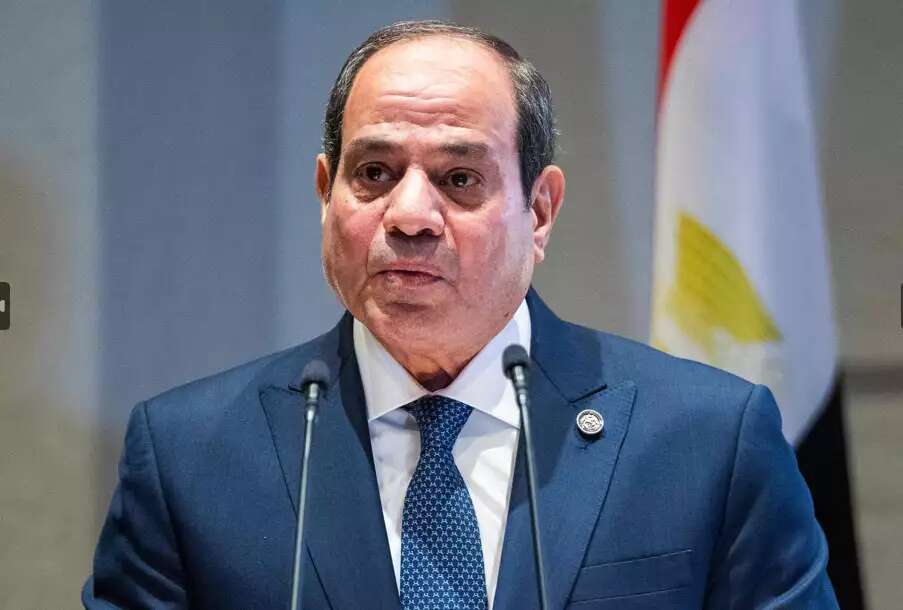
Egyptian President el-Sisi has sought to highlight Egypt's stability, contrasting it with Syria's turmoil. However, critics, including the Muslim Brotherhood, accuse his regime of similar oppression. Social media reactions have warned el-Sisi of potential popular uprisings akin to Syria's.
The Biden administration appears cautiously optimistic about al-Julani's moderate presentation, removing a $10 million bounty on his head. Europe sees Syrian stability as a key to repatriating millions of refugees, while Russia, seen as the major loser, is reportedly withdrawing forces and may relinquish its foothold in Tartus.


