

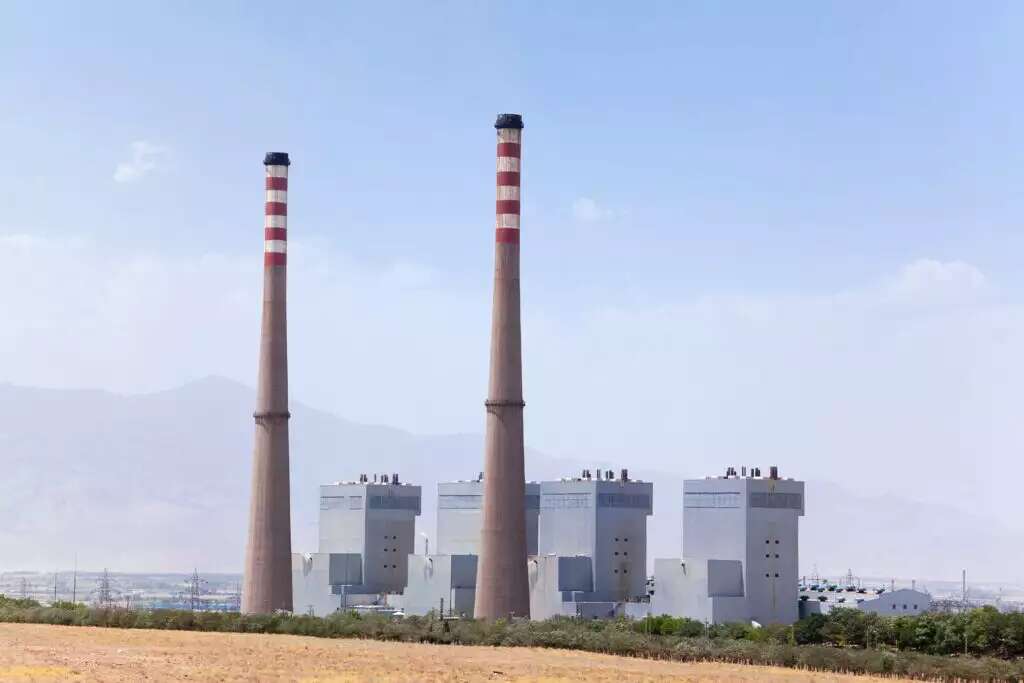
At the beginning of the month, Iranian Energy Minister Mohsen Pakanjad stated that Iran would need an astronomical investment of approximately $45 billion to resolve the country's energy shortages during the winter. However, an intelligence source told us that the crisis is even worse than officially acknowledged.
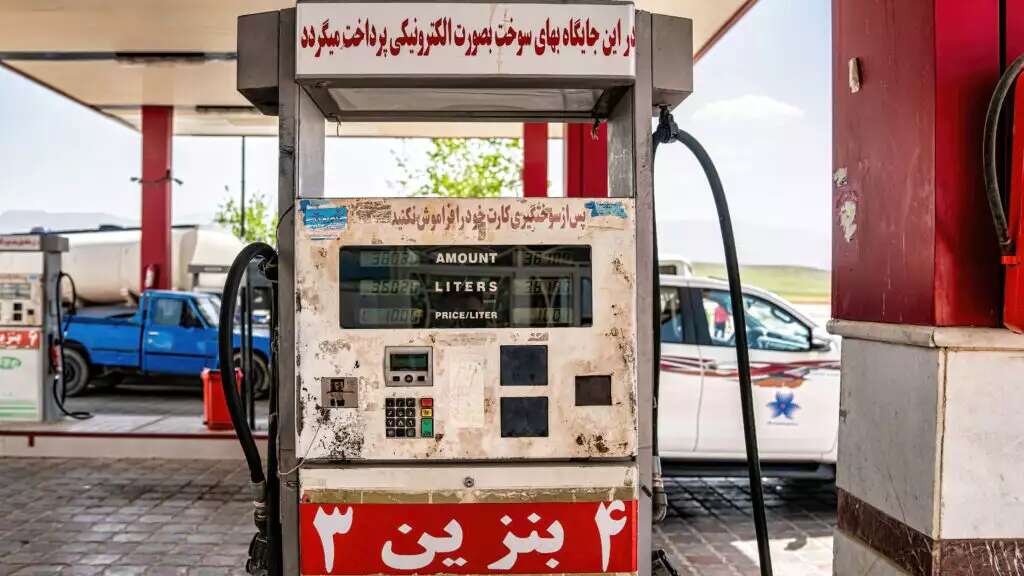
The situation continues to deteriorate. As of Monday, public services in 22 of Iran's 31 provinces have been completely shut down, including government offices, courts, banks, and educational institutions. These closures, caused by severe gas shortages and power outages, have effectively reduced Iran's workweek to just two or three days in recent weeks. According to the intelligence source, blackouts in Iran's major cities have reached unprecedented levels, and the situation is even worse in smaller cities and rural areas, where the majority of the Iranian population resides.
Recent harsh weather conditions, including snow, rain, and plummeting temperatures, have further strained Iran's fragile energy infrastructure. Officials in several provinces have announced service shutdowns in major regions, including Tehran and Isfahan, two of the three most populous provinces in Iran. Authorities in Greater Tehran have ordered the shutdown of all heating systems to conserve fuel.
For years, Iran's workweek has been out of sync with the global economy, with the weekend falling on Thursday and Friday instead of Saturday and Sunday. The frequent shutdowns have made it increasingly difficult for Iranians to conduct business with the outside world, sometimes for half the month or even longer. The workweek reduction comes at a particularly inconvenient time, just before Nowruz, the Persian New Year, which is traditionally celebrated on March 20. This period is usually a peak season for businesses, with retailers relying on a seasonal boost in sales. However, this year, sales are at a record low.
While the ayatollah regime attributes the frequent shutdowns to weather conditions, Iran's meteorological services have not reported unusual seasonal temperatures or heavy snowfall in many of the affected provinces. The Persian-language London-based channel Iran International suggested that the extreme weather may have worsened the situation but is not the primary cause of the shutdowns, which it claims are politically motivated. "The government is announcing these closures to conceal its failure in managing energy infrastructure. They know that if they don't shut things down, people will protest the lack of heating and electricity," the outlet reported.
The closure of the public sector has become a recurring phenomenon in Iran. In recent months, schools and offices have been repeatedly shut down due to air pollution, dust storms, cold weather, and fuel shortages.
Many Iranians have taken to social media to complain that school closures in certain provinces have been announced without any provision for online learning. Others argue that virtual education is ineffective anyway, as power outages disrupt internet access. Iran's outdated telecommunications infrastructure also lacks sufficient battery backup systems, further compromising connectivity.
Adding to the economic woes, the Iranian rial continues to weaken against the US dollar amid mounting financial pressures from American sanctions. The currency's decline has further reduced purchasing power, leaving many consumers unable to afford even discounted goods.
As early as December, Iran was forced to shut down offices and schools in multiple provinces due to energy shortages. By September, reports indicated that the crisis had reached such severity that the Islamic Republic had to import gas from Russia to meet domestic demand, even during non-peak hours when planned blackouts were not in effect. However, the shutdowns are now expanding to more provinces and becoming increasingly frequent.
A capitalist solution?
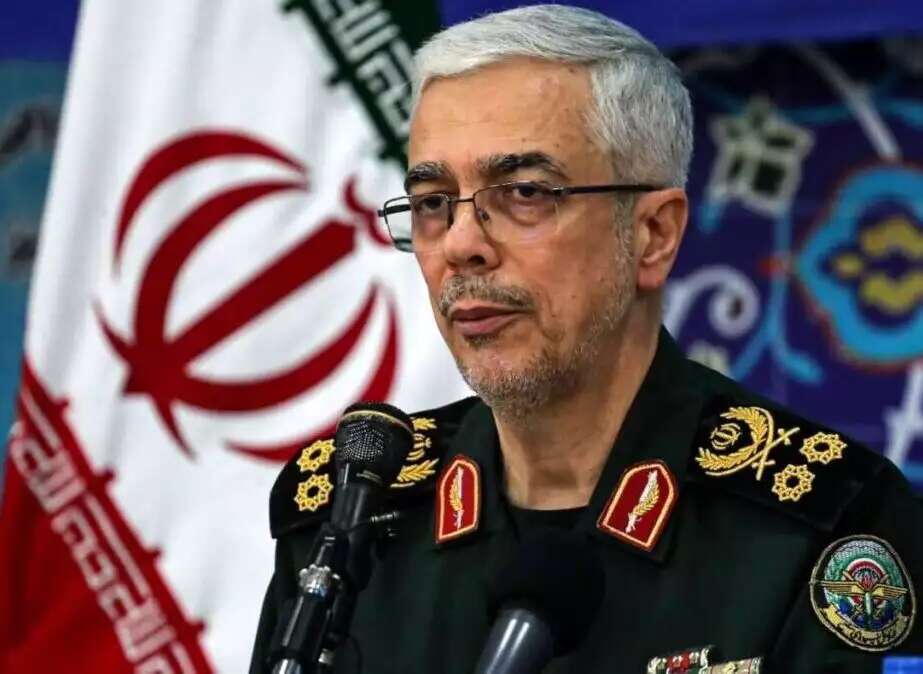
Amid the worsening energy crisis and Iran's deepening economic woes, alongside the government's plan to significantly increase the military budget, Iranian Chief of Staff General Mohammad Bagheri proposed a surprising solution: privatization. "The way to save the country is to turn to the people. If we want to solve the economic crisis, the answer is to involve the private sector and entrust the work to the people," he suggested on Monday.
It is worth noting that Iran effectively operates two parallel military forces: the Islamic Revolutionary Guard Corps (IRGC) led by General Hossein Salami, and the Iranian Army, often referred to as "the Shah's army," headed by Bagheri.
While Bagheri's call for a capitalist reform of the energy sector may seem unexpected, it aligns with a long-standing trend of Iran's armed forces, particularly the IRGC, benefiting from previous waves of privatization. The proposed 2025-2026 budget, submitted by the Iranian government and expected to be approved by March 20, seeks to double military spending, including a significant increase in the IRGC's budget.
Iran's parliament, the Majles, is planning to allocate approximately half of the government's oil and gas revenues, currently around €24 billion, to the armed forces. A 2024 Reuters report found that the IRGC already controls up to half of Iran's oil exports, using the proceeds to fund its military operations and regional allies.
Contrary to Bagheri's privatization proposal, some in Iran fear that the real trend is actually toward resource nationalization. The new state budget allows the Oil Ministry to contract third parties to manage oil and gas fields as a means of covering debts. This has raised concerns that such contracts will ultimately end up in the hands of entities that appear private or semi-private but are, in reality, controlled by the regime or its affiliates, such as religious foundations or IRGC-owned corporations.
Rather than benefiting genuine private businesses, this strategy could enable the government to maintain and even expand its grip on the country's resources. Recent data from Iran's central bank indicates a significant decline in private sector involvement in foreign trade, with government-affiliated entities receiving the majority of foreign currency. Customs data also suggests that in several key markets, state-controlled entities are actually increasing their dominance over Iran's total exports.


